In today’s stone processing industry, CNC technology has become a core driver of efficiency, precision, and customization—especially in tombstone (headstone) production. From raw block cutting to intricate engraving, CNC machines enable manufacturers to deliver consistent quality while meeting highly personalized customer demands.
This article provides a practical, experience-based overview of how CNC machines are actually used in tombstone production, with real application scenarios, comparisons, and frequently asked questions.
1. Overview: Why CNC Machines Matter in Tombstone Manufacturing
Traditional tombstone production relied heavily on manual carving and basic cutting tools. While craftsmanship was valuable, it came with limitations:
- Inconsistent quality
- Low production efficiency
- Limited design complexity
CNC (Computer Numerical Control) machines solve these issues by offering:
- High precision (±0.01–0.05 mm depending on machine type)
- 24/7 continuous operation capability
- Repeatable results for batch production
- Flexible design execution (text, portraits, 3D reliefs)
2. Step-by-Step CNC Applications in Tombstone Production
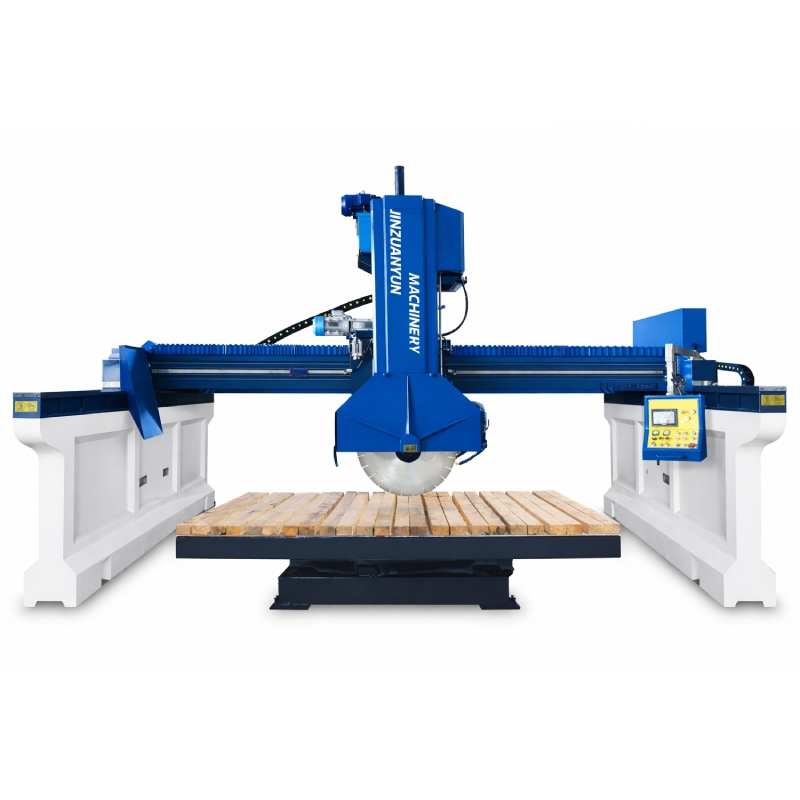
2.1 Block Cutting and Shaping
Machine Used: CNC Bridge Saw / CNC Cutting Machine
Application Scenario:
A granite block is first cut into slabs or basic tombstone shapes. For example, when processing a 2000×1000×300 mm granite block, a Automatic CNC Bridge Saw can maintain cutting deviation within ±0.5 mm even after 10 hours of continuous operation.
Key Advantages:
- Straight, clean edges with minimal material waste
- Automated cutting paths reduce labor dependency
- Suitable for high-volume cemetery projects
2.2 Surface Profiling and Polishing Preparation
Machine Used: CNC Milling Machine / 3-Axis Stone CNC Machine
Application Scenario:
Before engraving, the tombstone surface must be leveled and shaped. High Precision CNC Milling Machine ensures a perfectly flat or slightly curved surface, which is critical for later engraving accuracy.
Technical Detail:
- Surface flatness can be controlled within ±0.02 mm
- Consistent results even on hard stones like granite
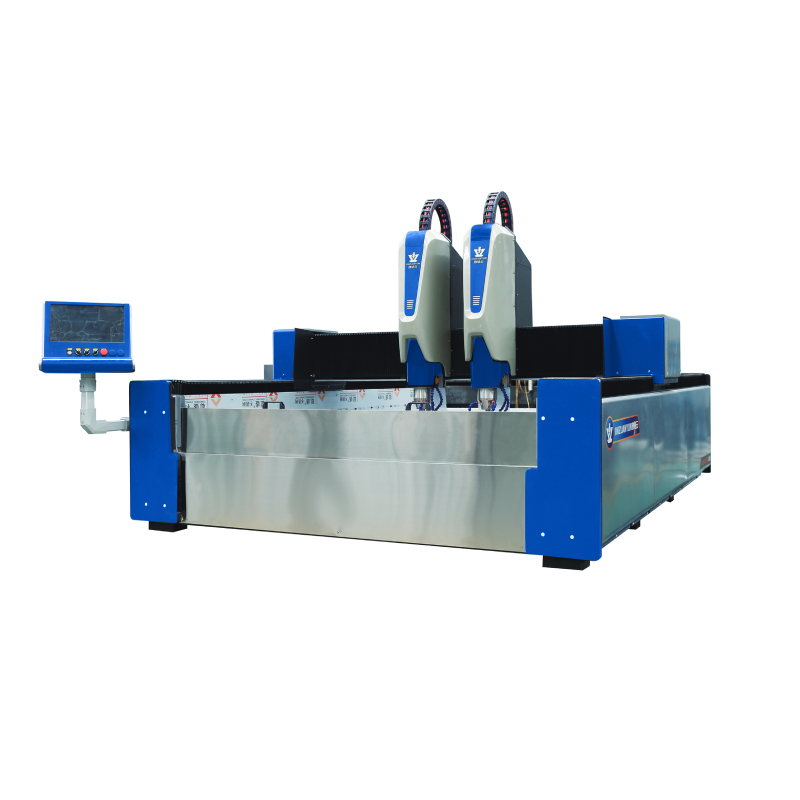
2.3 Engraving Text, Patterns, and Portraits
Machine Used: 3-Axis or 5-Axis CNC Stone Engraving Machine
Application Scenario:
Engraving names, dates, religious symbols, and even high-resolution portraits directly onto the tombstone.
For example:
- A 3-axis CNC machine can engrave standard text and 2D patterns at speeds of 3–6 m/min
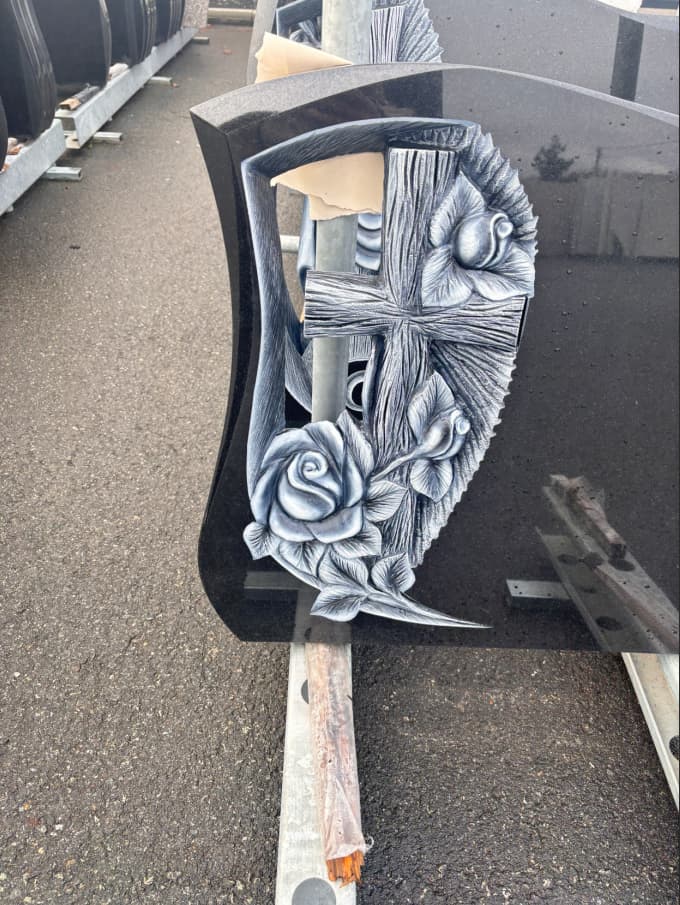
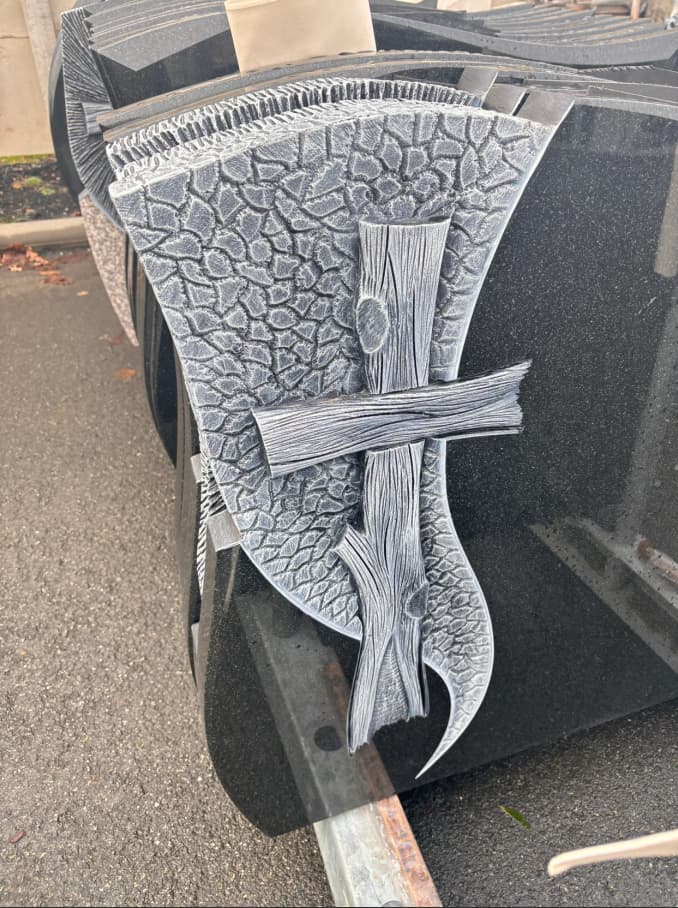
- A 5-axis CNC machine can produce complex 3D relief carvings, such as angels or sculptures, with depth precision up to ±0.03 mm
Real Use Case:
In a cemetery project requiring 500 identical headstones, CNC engraving ensures every letter and symbol is perfectly aligned and consistent—something nearly impossible with manual methods.
2.4 Edge Shaping and Decorative Finishing
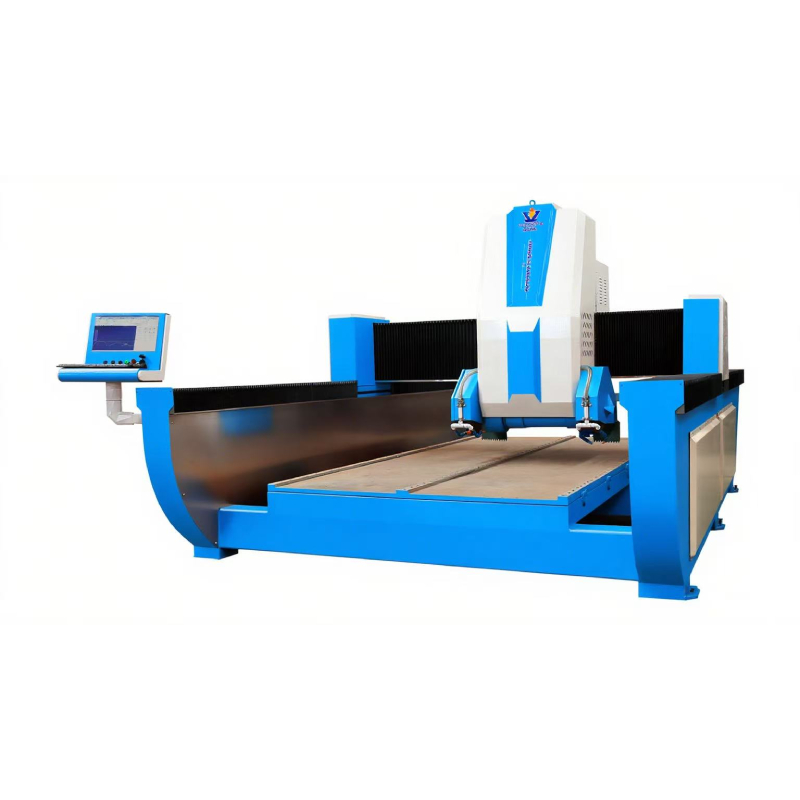
Machine Used: CNC Profiling Machine / Edge Polishing Machine
Application Scenario:
Creating decorative edges such as beveled, rounded, or ogee profiles.
Benefits:
- Uniform edge design across large batches
- Reduced polishing time
- Enhanced aesthetic value
2.5 3D Sculptural Elements (High-End Tombstones)
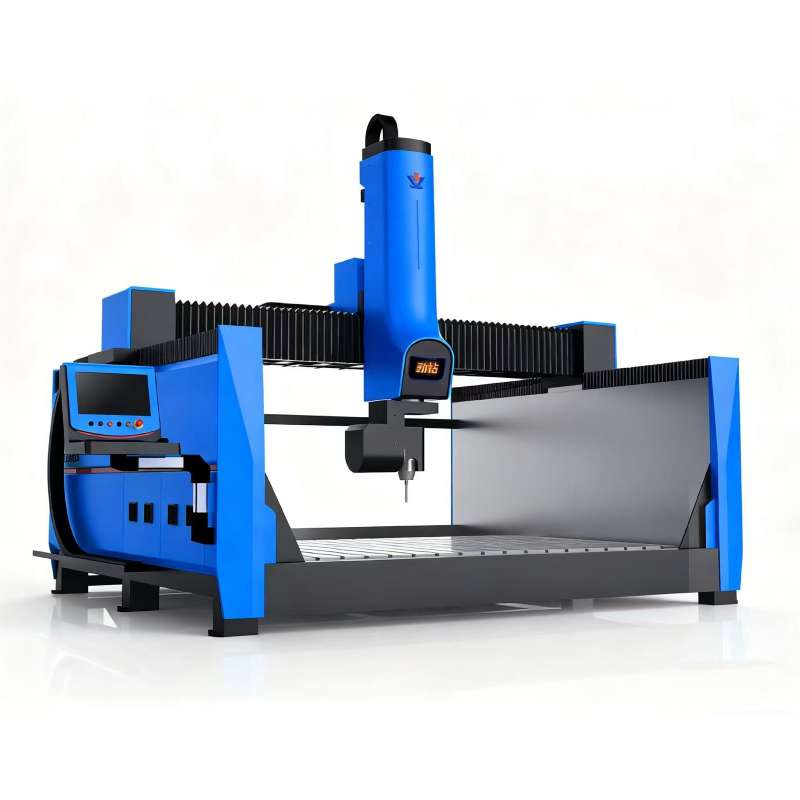
Machine Used: 5-Axis CNC Machine or 7-Axis Robotic Arm
Application Scenario:
High-end tombstones often include statues, religious figures, or custom sculptures.
Technical Capability:
- Multi-angle carving without repositioning the stone
- Ability to process complex geometries in a single setup
- Continuous operation for 48–72 hours without precision loss
3. CNC vs Traditional Methods: A Practical Comparison
| Aspect | CNC Machines | Traditional Manual Methods |
|---|---|---|
| Precision | ±0.01–0.05 mm | Highly operator-dependent |
| Efficiency | 24/7 automated production | Limited working hours |
| Design Complexity | Supports 2D & 3D designs | Mostly simple patterns |
| Consistency | Perfect for batch orders | Variations unavoidable |
| Labor Cost | Lower in long term | Higher due to skilled labor |
Conclusion:
For modern tombstone manufacturers targeting export markets (USA, Europe, Middle East), CNC machines are no longer optional—they are essential for competitiveness.
4. How to Choose the Right CNC Machine for Tombstone Production
Scenario-Based Recommendations:
- Small workshops (custom orders):→ 3-Axis CNC Engraving Machine
- Medium factories (batch production):→ CNC Bridge Saw + 3-Axis Engraver
- High-end projects (sculptures & monuments):→ 5-Axis CNC or Robotic Arm System
5. Frequently Asked Questions (FAQ)
Q1: What is the most suitable CNC machine for tombstone engraving?
- For standard text and patterns, a 3-axis CNC machine is sufficient.
- For portraits or 3D carvings, a 5-axis CNC machine is recommended.
Q2: Can CNC machines handle hard stones like granite?
Yes. High-quality CNC machines can process granite continuously for 48–72 hours while maintaining stable accuracy and tool performance.
Q3: What file formats are required for engraving?
Common formats include:
- DXF (2D designs)
- STL (3D models)
- BMP (for portrait engraving via software conversion)
Q4: How to ensure engraving quality?
Key factors include:
- Machine rigidity and spindle quality
- Proper tool selection (diamond tools for granite)
- Stable software (e.g., CAD/CAM systems)
Q5: What are common mistakes buyers make?
- Choosing low-cost machines with unstable frames
- Ignoring after-sales support and training
- Not matching machine type with production needs
6. Expert Insights: What Buyers Often Overlook
Based on real export experience, many buyers focus only on price, but overlook:
- Machine structure stability: affects long-term precision
- Control system compatibility: impacts ease of operation
- After-sales service: critical for overseas installation and training
For example, during overseas installation projects, machines with poor calibration systems often require repeated adjustments, delaying production schedules by 3–7 days.
7. Final Thoughts
CNC machines have transformed tombstone production from labor-intensive craftsmanship into a precise, scalable, and highly customizable manufacturing process.
For buyers and manufacturers aiming to expand into international markets, investing in the right CNC solution means:
- Higher efficiency
- Better product consistency
- Stronger competitiveness
If you are planning to upgrade your tombstone production line, understanding real application scenarios and making informed comparisons will help you choose the most suitable CNC solution—not just the cheapest one.
 |
 |