After long holidays, many facilities resume operations, and ice thermal storage systems play a critical role in delivering reliable and energy-efficient cooling. However, improper startup after a long downtime can lead to system faults, reduced efficiency, and even equipment damage. A structured and professional startup process is essential.
1. Pre-Startup Inspection: The Foundation of Safe Operation
• Visual inspection: Check pipelines, valves, and connections for corrosion, looseness, or leakage risks.
• Ice storage tank: Remove debris and inspect insulation to prevent cooling loss.
• Electrical system: Ensure wiring, grounding, and control panels are functioning properly with no alarms.
A thorough inspection minimizes unexpected failures and ensures safe startup conditions.
2. Check Coolant and Core Components
After long-term shutdown, internal media and components may degrade:• Coolant testing: Inspect glycol solution concentration and quality. Replace or refill if necessary to avoid freezing or blockage.
• Heat exchangers: Clean condensers and evaporators to restore heat transfer efficiency.
• Compressor oil: Check oil level and condition to prevent mechanical wear.
• Valves & filters: Ensure smooth operation and no blockages in the circulation system.
These steps help restore system performance before operation.
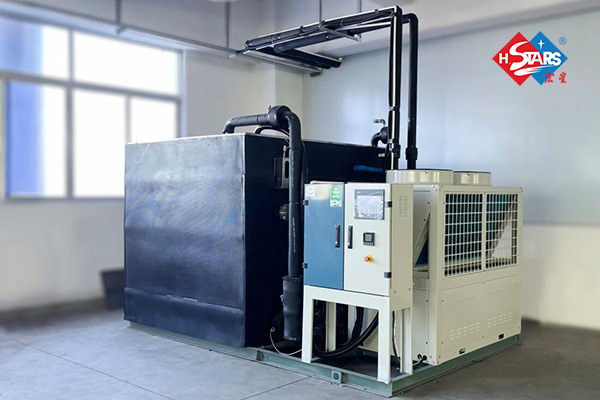
3. Step-by-Step Startup Procedure
Avoid sudden system shocks by following a staged startup:
Step 1: System Preheating
• Power on the control system and allow 15–30 minutes of preheating. • Stabilizes electrical and refrigeration components.
Step 2: Start Auxiliary Systems
• Start circulation pumps first, then verify pipeline sealing and stability.
• Activate the cooling tower to ensure proper heat rejection.
Step 3: Start Main Unit & Ice Storage System
• Gradually start the compressor and monitor: o Current
o Suction/discharge pressure
• Activate ice-making system and check spray and piping conditions.
• Run a 30–60 minute test cycle before full operation.
This phased approach prevents equipment stress and ensures stable performance.
4. Post-Startup Operation & Maintenance
Once running, consistent monitoring is key:• Record daily parameters (temperature, pressure, ice storage levels).
• Monitor ice-making and melting cycles to ensure balance.
• Clean filters and heat exchangers regularly.
• Inspect seals and solenoid valves for wear or leakage.
Routine maintenance ensures long-term efficiency and reliability.
5. Safety Considerations
• Only trained personnel should operate the system. • Avoid full-load operation immediately after startup.
• Stop the system immediately if alarms occur—never force operation.
Conclusion
Properly restarting an ice thermal storage system after a long shutdown requires systematic inspection, staged startup, and continuous monitoring. By following these best practices, businesses can ensure safe operation, extend equipment lifespan, and quickly restore efficient cooling performance.