3 Ton Standard Diesel Forklift | Reliable Industrial Forklift For General Warehouse Handling

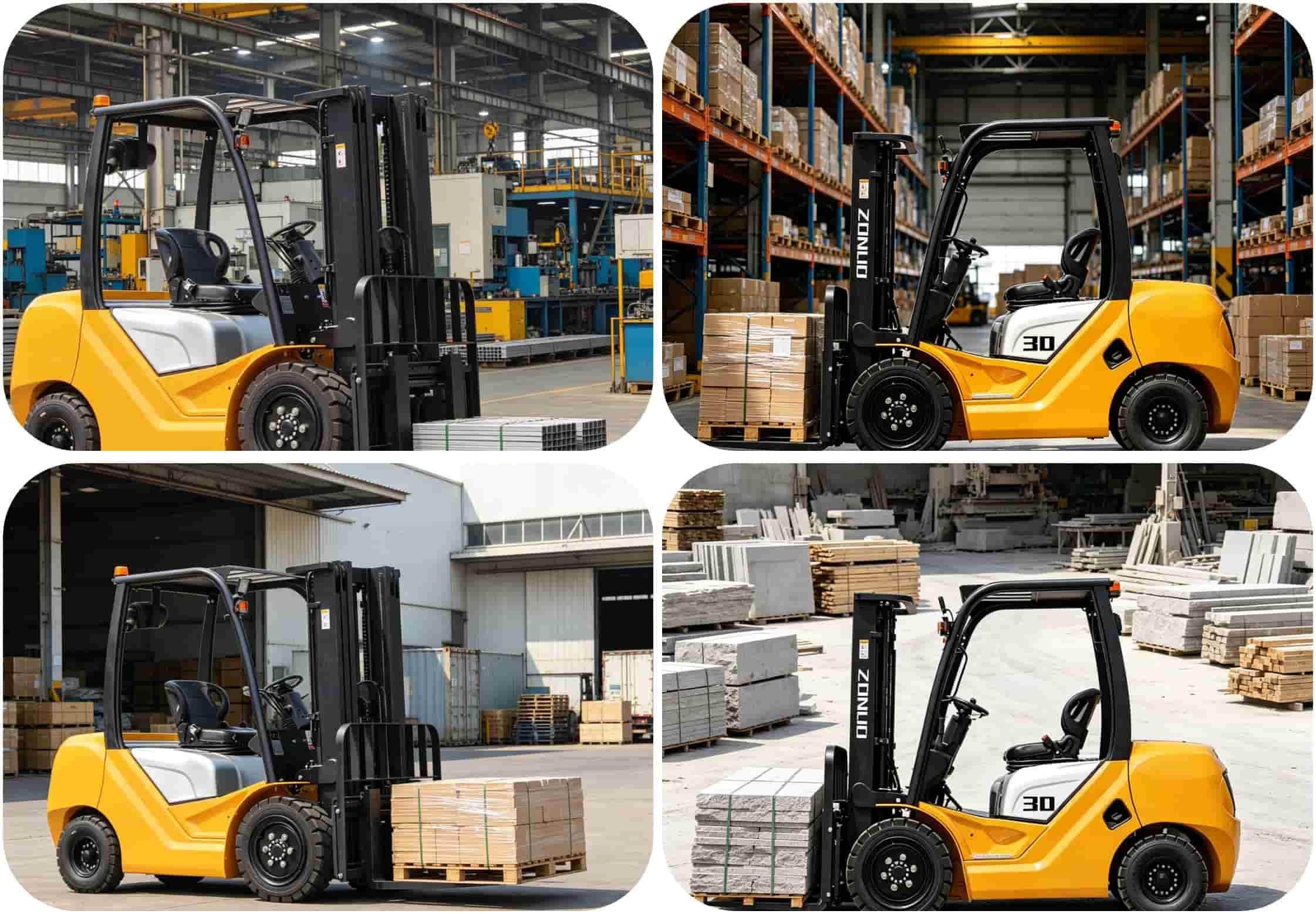
       ZoNuo 3 Ton Diesel Powered Forklift is the most mainstream material handling equipment for global small and medium-sized enterprises, general warehouses, freight yards, and construction sites. Designed for daily conventional loading, unloading, stacking, and short-distance transportation tasks, this standard model balances stable performance and practical functions, abandoning redundant high-end configurations that increase procurement costs. Compared with well-known international brand standard forklifts of the same tonnage, our 3-ton standard diesel forklift delivers consistent basic load-bearing and operating stability while featuring more affordable pricing and lower application thresholds, perfectly matching the daily operation needs of most overseas small and medium-sized logistics and manufacturing enterprises. All models are CE certified and support complete export document packaging to meet global customs clearance standards.

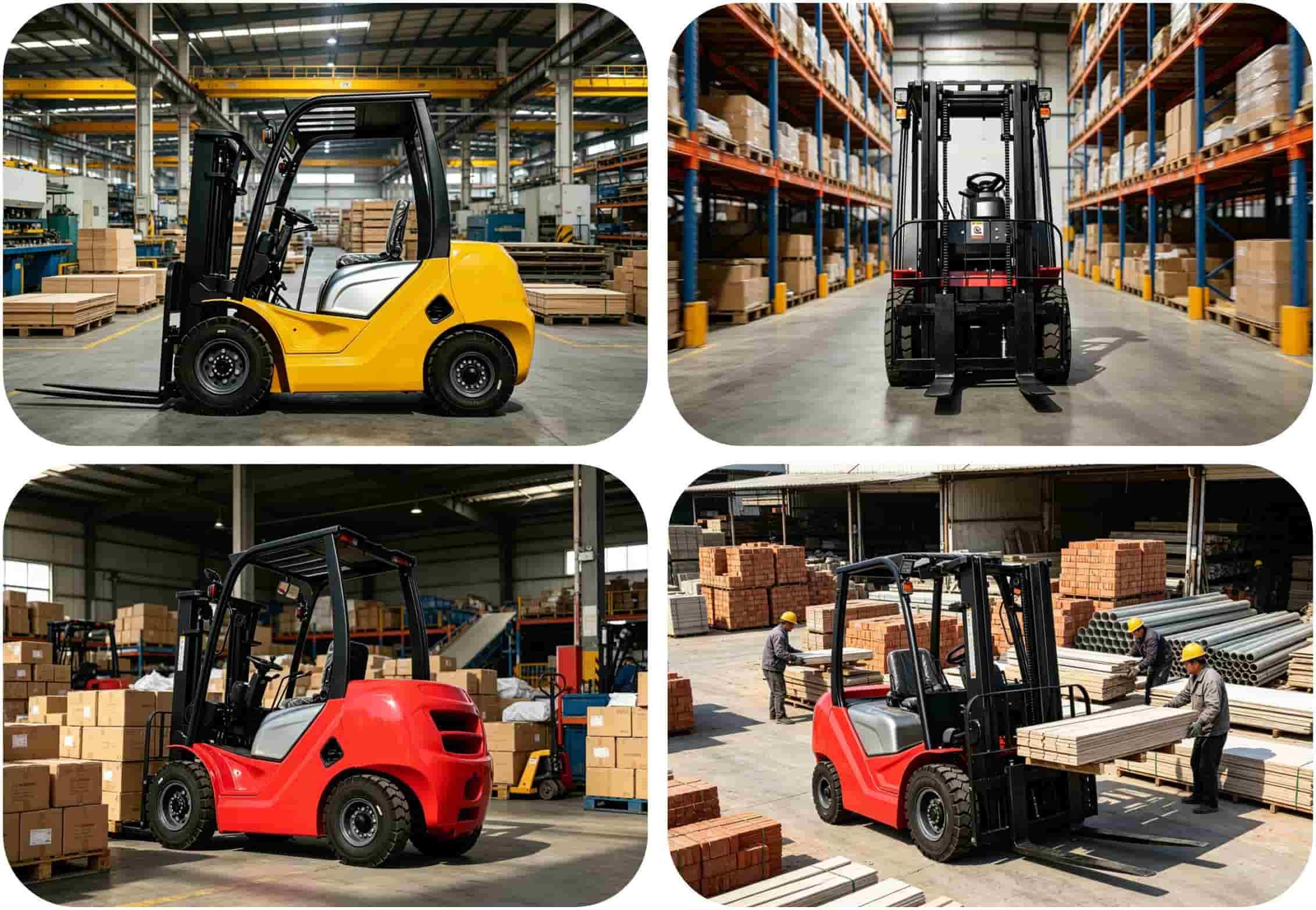
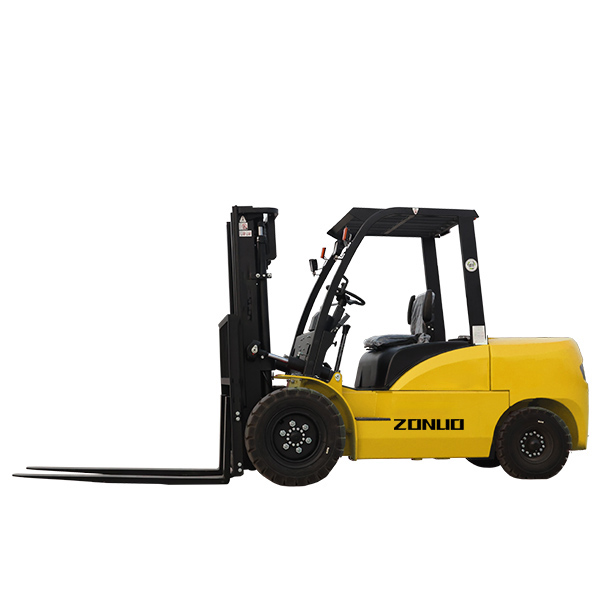
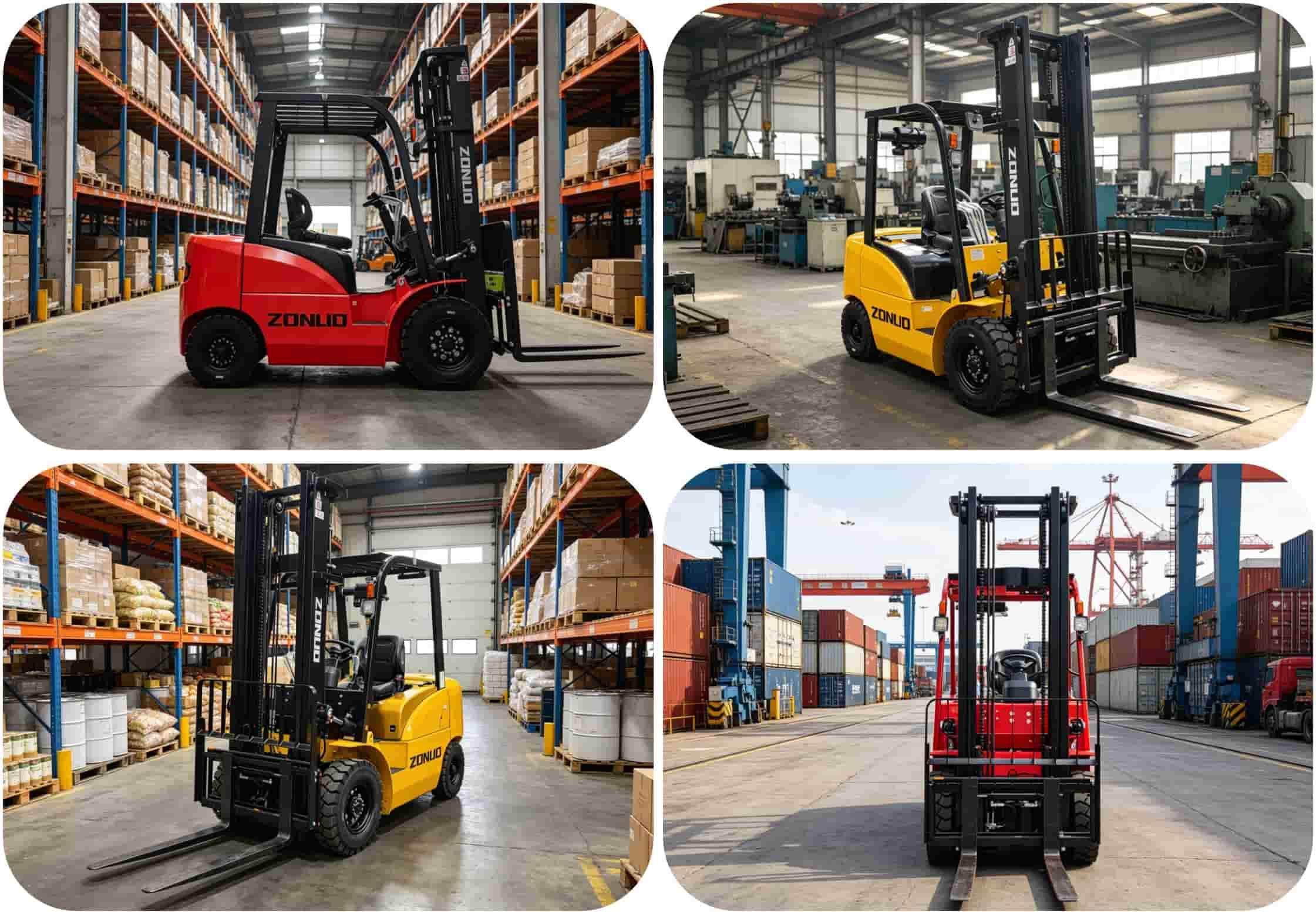
3 Ton Isuzu Engine Diesel Forklift With Cabin

       To help overseas importers, distributors, and end users quickly complete evaluation and procurement comparison, we summarize four core competitive advantages of our 3 ton standard Diesel Forklift from the professional procurement perspective, with intuitive differentiation from international mainstream brands:

Advantage 1: Standard industrial-grade stable load performance. This forklift is equipped with a mature industrial diesel power unit, maintaining a stable rated load of 3000kg under full-load continuous operation. The integral cast counterweight and reinforced gantry structure ensure no shaking during stacking and lifting. Its load stability and operating smoothness fully reach the industrial standard of famous brand same-type standard models, completely meeting daily high-frequency handling demands without performance attenuation.

Advantage 2: Cost-effective factory direct procurement terms. Adopting a standardized mass production process, we eliminate intermediate markup links. The overall procurement cost is 20% lower than that of international well-known brand standard versions. It supports flexible order quantities including single-unit trial orders and bulk wholesale orders, with exclusive tiered discounts for large orders, effectively reducing the initial equipment investment pressure for overseas buyers.

Advantage 3: Universal accessories and low daily maintenance difficulty. All core components and wearing parts of the forklift adopt global general standard specifications, which are widely available in local overseas markets. The maintenance process is simple and efficient, and the daily maintenance cost is nearly 30% lower than that of branded original accessories. Unlike branded models with proprietary customized parts that cause high replacement costs, our standard design realizes low-cost and fast after-sales maintenance.

Advantage 4: Versatile standard configuration for multi-scenario adaptation. The standard 3m lifting height, adjustable fork width, and standard side shifter configuration cover 90% of conventional warehouse and freight yard handling scenarios. It can be optionally equipped with solid tires, container masts, and other basic accessories according to customer needs, realizing flexible adaptation to flat ground, gravel yards, and temporary construction sites, with no unnecessary functional premium.

       Focusing on practicality and stability, our 3 ton standard diesel forklift abandons useless high-end configurations and retains all core functional modules required for industrial operations. Different from international brands’ fixed high-priced standard packages, our model adheres to scenario-based matching, providing targeted equipment solutions for medium and low-intensity daily handling scenarios. We provide a 12-month full-vehicle warranty and long-term spare parts supply service. Welcome global buyers to send RFQ inquiries with your working scenarios and order quantities to obtain accurate quotations and parameter documents. For more insights into our quality control standards and manufacturing process, visit our official hub at zonuo.com.

Fixed Gantry vs Moving Gantry CNC

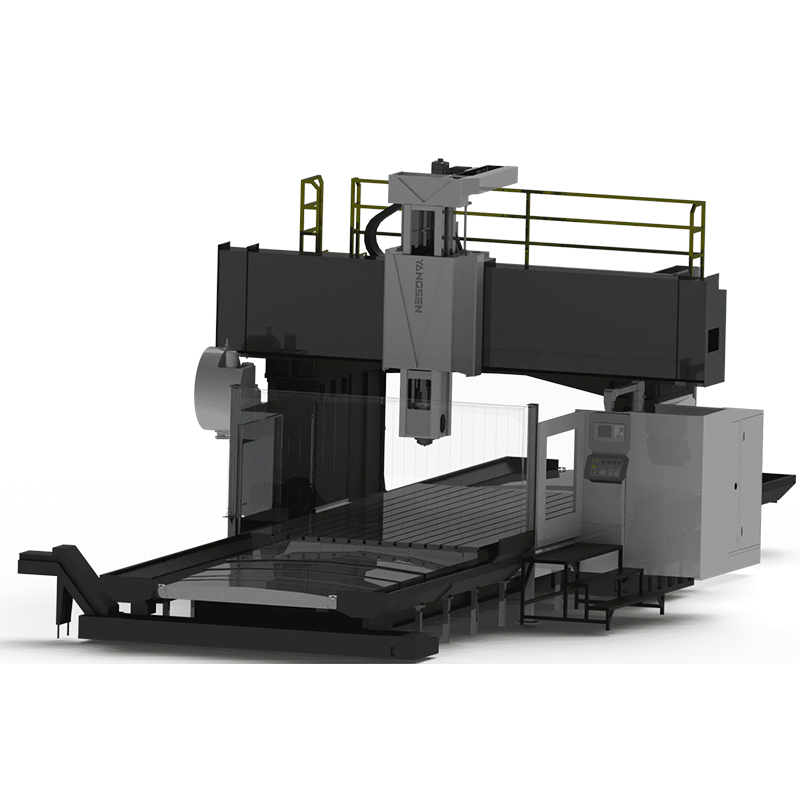
Fixed gantry and moving gantry are two of the most common structural designs used in CNC machining systems. Both configurations are designed to deliver accurate machining performance, but they differ significantly in terms of machine structure, workpiece handling, rigidity, and production capabilities. In a fixed gantry machine, the gantry remains stationary while the worktable moves during machining.

In a moving gantry machine, the worktable stays fixed while the gantry travels across the machining area. These structural differences affect machining precision, material capacity, machine footprint, productivity, and overall suitability for the application. Understanding these differences helps manufacturers select the most appropriate CNC solution for their production requirements.


What is Fixed Gantry?


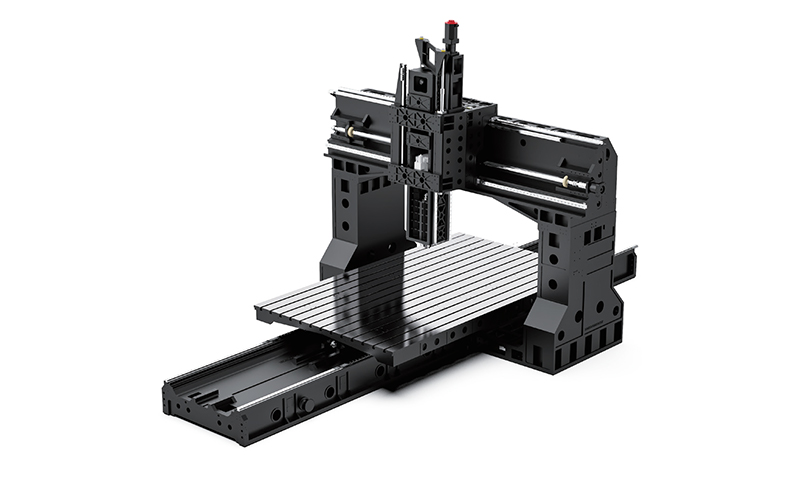
A fixed gantry CNC machine features a stationary gantry structure, with the bridge remaining fixed in position during machining operations. In this configuration, the worktable moves beneath the gantry while the spindle performs cutting operations along multiple axes.

Unlike moving gantry systems, the workpiece itself moves along the machine bed during machining. This design minimizes movement in the upper machine structure and allows the spindle assembly to maintain greater stability during heavy cutting applications. Fixed gantry CNC machines are commonly used in industries that require high rigidity, tight tolerances, and superior surface finishing.


Types of Fixed Gantry

Fixed gantry CNC machines are available in different configurations to meet various machining requirements. The selection of a particular type depends on factors such as workpiece size, material type, production volume, and required machining precision.

Single-Column Fixed Gantry

Single-column fixed gantry machines are designed for lighter machining applications and smaller workpieces. These machines typically offer a compact footprint while maintaining good rigidity and accuracy. They are often used in workshops and manufacturing facilities that process medium-sized components and require cost-effective machining solutions.

Double-Column Fixed Gantry

Double-column gantry machines are among the most common configurations used in industrial manufacturing. The dual-column structure provides superior support to the stationary gantry, significantly improving machine rigidity and stability. These machines are ideal for heavy-duty machining operations, large molds, and precision metal cutting applications.

High-Speed Fixed Gantry

High-speed fixed gantry CNC machines are specifically designed for applications that require fast machining cycles without sacrificing accuracy. These machines incorporate advanced servo systems, lightweight spindle assemblies, and optimized motion control technologies to achieve higher productivity while maintaining excellent precision.

Heavy-Duty Fixed Gantry

Heavy-duty fixed gantry machines are built for machining large and difficult materials such as steel, cast iron, and industrial alloys. Their reinforced machine frames and powerful spindle systems allow them to handle aggressive cutting conditions while maintaining long-term stability and reliability.


Structure of Fixed Gantry

The structure of a fixed gantry CNC machine is built for high rigidity and stable machining performance. In this design, the gantry remains fixed on the machine frame while the worktable moves during operation, ensuring controlled and precise cutting.

The machine base is usually made from cast iron or welded steel, providing strong vibration resistance and long-term stability. The stationary gantry is firmly mounted on both sides of the bed, which reduces structural movement and improves machining accuracy. The worktable moves along precision guideways with servo-driven control to maintain smooth and accurate positioning. Modern systems also include advanced CNC controls and spindle units for better efficiency.


Why Choose Fixed Gantry?

Here are a few reasons that we are choosing a fixed gantry:

  • High machining accuracy due to the rigid and stable machine structure
  • Excellent vibration control, improving cutting consistency and surface finish
  • Suitable for heavy-duty machining of hard metals and large industrial parts
  • Tight tolerance capability for precision industries like aerospace and mold making
  • Long tool life because of reduced vibration and stable cutting conditions
  • Reliable long-term performance for continuous industrial production


Advantages and Disadvantages of Fixed Gantry

Advantages of Fixed Gantry

Disadvantages of Fixed Gantry

Excellent structural rigidity and vibration resistance

Limited ability to handle extremely oversized workpieces

Superior machining accuracy and tighter tolerances

Larger floor space requirements due to the moving table travel

Ideal for heavy-duty cutting and hard material machining

Less flexible for extra-long sheet processing

Improved surface finish quality and cutting consistency

Heavy table movement can create additional inertia

Longer tool life due to stable cutting conditions

Machine size can increase significantly for large work areas

Reduced structural wear on gantry components

Generally, higher installation space requirements

Reliable long-term performance in industrial environments

May not be as efficient as moving gantry systems for large-format production


What is a Moving Gantry


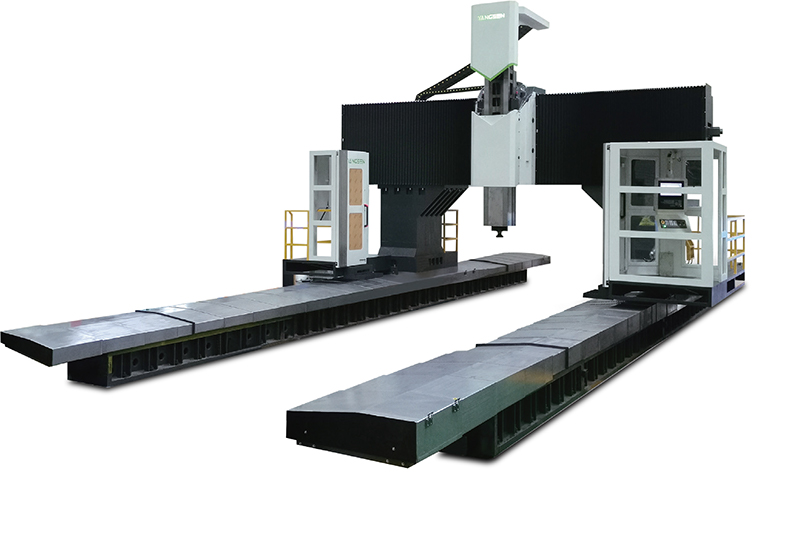
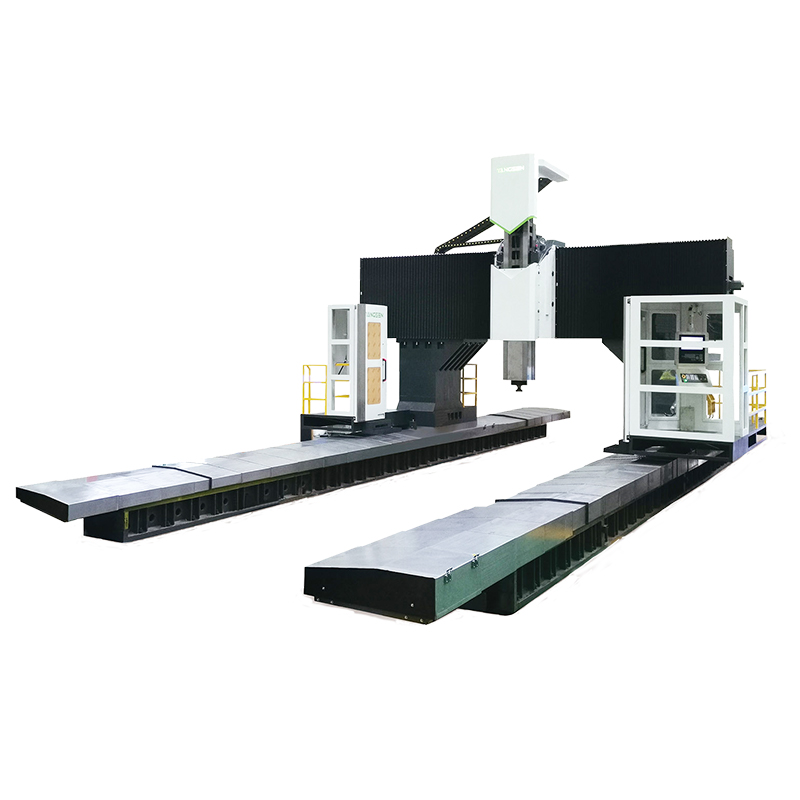
A moving gantry CNC machine is a machining system in which the gantry travels across a stationary worktable during operation, while the workpiece remains fixed in position. This design is widely used in industries that require large-format machining and flexible material handling. Unlike fixed gantry systems, the structural movement is focused on the gantry itself, which allows the machine to cover a wider machining area without requiring table movement. This makes moving gantry machines highly suitable for processing oversized sheets, long panels, and large industrial components with efficiency and stability.


Types of Moving Gantry

Moving gantry CNC machines are available in several configurations depending on production requirements and machining scale. Each type is designed to balance speed, rigidity, and workspace flexibility.

Light-Duty Moving Gantry

Light-duty systems are used for smaller production tasks such as woodworking, signage, and light fabrication. They offer fast operation and cost-effective performance for non-heavy machining applications.

Industrial Moving Gantry

Industrial-grade moving gantry machines are built for continuous production environments. They feature stronger frames, improved guideways, and higher load capacity, making them suitable for metal processing, aerospace parts, and composite materials.

High-Speed Moving Gantry

These machines are designed for rapid production cycles. They use advanced servo systems and optimized motion control to achieve fast cutting speeds while maintaining acceptable accuracy for large-scale manufacturing.

Extra-Large Moving Gantry

Extra-large configurations are used for oversized materials such as shipbuilding components, large aluminum panels, and structural parts. These machines offer extended travel lengths and highly scalable design options.


Structure of Moving Gantry

The structure of a moving gantry CNC machine is designed to maximize working area flexibility and material handling efficiency. In this system, the worktable remains completely stationary, while the gantry moves along the X-axis to perform machining operations.

The machine bed provides a stable foundation that supports heavy and oversized workpieces without movement. The gantry, mounted on precision linear guideways, travels smoothly across the machining area and carries the spindle assembly for cutting operations. This reduces the need for moving large materials during machining, improving handling efficiency.


Why Choose Moving Gantry?

Moving gantry CNC machines are widely preferred in industries where large workpieces and flexible production. Here are the main reasons for choosing a moving gantry.

  • Ideal for machining large and oversized materials because the worktable remains fixed.
  • Improves production efficiency by allowing easy loading and unloading of heavy workpieces.
  • Suitable for industries requiring continuous and high-volume production workflows.
  • Offers flexible machining capability for different material types and sizes.
  • More practical for space management in facilities where large moving tables are not suitable.
  • Supports automated production systems for faster and smoother manufacturing processes.
  • Widely used in woodworking, signage, aerospace, and fabrication industries for large-format work.


Advantages and Disadvantages of Moving Gantry

Advantages of Moving Gantry

Disadvantages of Moving Gantry

Excellent for large and oversized workpieces

Slightly lower rigidity compared to the fixed gantry

Easy material loading due to the stationary table

Vibration may increase during heavy cutting

Better space efficiency in many factory layouts

Reduced stability at very high machining speeds

High productivity for large-scale production

Requires more maintenance of moving components

Suitable for continuous industrial workflows

Slight limitations in ultra-high precision applications

Flexible for multiple industries and materials

Cutting performance can vary under heavy load conditions

Scalable design for extra-large machining needs

Not always ideal for very tight tolerance machining


Main differences between Fixed Gantry and Moving Gantry

Fixed gantry and moving gantry CNC machines differ in several important aspects, such as structure, performance behavior, cost, and maintenance requirements. These differences directly affect how each machine performs in real industrial applications and help manufacturers decide which system best fits their production needs.


Structure and Design

Fixed gantry CNC machines are built with a stationary bridge structure where the gantry remains fixed while the worktable moves during machining. This design provides high rigidity and excellent stability. In contrast, moving gantry CNC machines use a stationary worktable while the gantry moves across the machining area. This allows better handling of large sheets and oversized workpieces.


Compatibility

Fixed gantry systems are more compatible with precision machining tasks, small to medium workpieces, and heavy cutting applications. They are widely used in industries requiring tight tolerances, such as mold making and aerospace.

Moving gantry machines are more compatible with large-scale production, oversized materials, and continuous sheet processing. They are commonly used in woodworking, signage, and large metal fabrication industries.


Price

Fixed gantry CNC machines are generally more expensive in terms of structural build and rigidity-focused design, especially for heavy-duty models. However, they offer long-term value for precision industries.

Moving gantry CNC machines can be more cost-efficient for large-format machining because they are designed for scalability and high production output, reducing cost per unit in mass production environments.


Assembly

Fixed gantry machines usually require a more complex foundation setup because of the heavy base and moving table system. Installation needs proper leveling and space planning.

Moving gantry machines are often easier to assemble in large workshop environments since the table is stationary and the gantry movement system is modular and scalable.


Maintenance

Aspect

Fixed Gantry CNC

Moving Gantry CNC

Maintenance Frequency

Lower, due to fewer moving gantry parts

Higher, because the gantry moves during operation

Mechanical Wear

Reduced wear on the gantry structure

More wear on guideways and drive systems

Lubrication Needs

Moderate and stable requirements

More frequent lubrication is required

Service Complexity

Easier and more predictable maintenance

Slightly more complex maintenance routine

Downtime Risk

Lower downtime in long-term use

Higher chance of scheduled maintenance breaks

Long-Term Durability

Very high due to stable structure

High, but depends on regular maintenance

Replacement of Parts

Less frequent component replacement

More frequent wear-part replacement


How to Choose the One That Best Suits You

Selecting between Fixed Gantry and Moving Gantry CNC machines depends on your production goals, material type, precision requirements, and long-term business planning. Each factor plays an important role in determining the most suitable machine for your application.


Application

The first and most important factor is the type of application. If your work involves high-precision machining, such as mold making, aerospace parts, or heavy metal components, a fixed gantry CNC is more suitable. It delivers superior accuracy and stability.

If your application focuses on large-scale production like woodworking, furniture, signage, or large sheet processing, a moving gantry CNC is the better choice due to its ability to handle oversized materials efficiently.


Compatibility

Compatibility refers to how well the machine supports different materials and production environments. Fixed gantry machines are highly compatible with hard metals, precision parts, and industries requiring tight tolerances. They perform best in controlled, high-accuracy environments.

Moving gantry machines are more compatible with large panels, soft materials, composites, and mass production workflows where size flexibility is important.


Type

Different machine types serve different industrial needs. Fixed gantry machines come in heavy-duty, high-speed, and precision-oriented configurations, making them ideal for demanding machining tasks.

Moving gantry machines are typically designed in open-frame, large-format, or scalable models, allowing manufacturers to customize size and production capacity based on requirements.


Price

Price is another important consideration when choosing a CNC machine. Fixed gantry machines are usually more expensive due to their rigid structure and high-precision engineering components. However, they offer long-term value in precision industries.

Moving gantry machines can be more cost-efficient for large production environments because they are designed for higher throughput and larger work areas.


Budget

Your available budget should match your production goals. If your priority is ultra-precision and long-term industrial reliability, investing in a fixed gantry system is more beneficial.

If you are working with a limited budget but need large-format machining and high productivity, a moving gantry CNC provides better value and scalability.


Maintenance

Maintenance is a critical factor in decision-making. Fixed gantry machines generally require less maintenance because of their stationary structure, which reduces mechanical wear. This results in lower downtime and stable long-term performance, improving ROI in precision-focused industries.

Moving gantry machines require more regular maintenance due to the movement of gantry components and guideways. However, they offer higher production capacity, which can generate faster ROI in high-volume manufacturing environments.

When planning long-term investments, consider not only maintenance costs but also productivity, machine lifespan, and expected output efficiency to determine the best ROI for your business.

FAQ

What is the main difference between fixed gantry and moving gantry CNC machines?

The main difference is the movement structure. In fixed gantry machines, the gantry remains stationary while the worktable moves, whereas in moving gantry machines, the worktable stays fixed and the gantry moves over it.

Which CNC machine offers better precision?

Fixed gantry CNC machines generally provide higher precision due to their rigid structure and reduced vibration during machining.

Which machine is better for large workpieces?

Moving gantry CNC machines are more suitable for large and oversized workpieces because they can handle wider and longer materials without major limitations.

Which CNC type is more cost-effective?

It depends on the application. Fixed gantry machines are more cost-effective for precision work, while moving gantry machines offer better value for large-scale production.

Which machine requires more maintenance?

Moving gantry CNC machines usually require more maintenance because they have more moving components, such as gantry drives and guideways.

Which machine is better for long-term investment?

Both are good long-term investments, but the choice depends on usage. A fixed gantry is better for precision industries, while a moving gantry is better for high-volume production.


Conclusion

Fixed gantry and moving gantry CNC machines both play an important role in modern industrial manufacturing, but their suitability depends entirely on application requirements. Fixed gantry CNC machines are best known for their high rigidity, superior precision, and excellent performance in heavy-duty and accuracy-focused machining tasks.

On the other hand, moving gantry CNC machines excel in handling large workpieces, offering greater flexibility, scalability, and production efficiency for oversized materials. Choosing the right CNC machine depends on factors such as workpiece size, required precision, production speed, and available floor space. Understanding these differences helps manufacturers make better investment decisions and improve overall machining efficiency.

If you are planning to invest in a reliable CNC solution, choose the machine that matches your workflow and future growth needs. CNC Yangsen offers advanced CNC systems designed to deliver performance, precision, and long-term industrial value for every manufacturing requirement.

Top 10 Brand Names of CNC Machines

CNC machines play a critical role in modern manufacturing by improving machining accuracy, production efficiency, and process consistency. From aerospace and automotive to mould making and engineering, manufacturers rely on advanced CNC equipment to meet demanding production requirements.

Choosing the wrong CNC machine supplier may result in lower machining accuracy, increased maintenance costs, unexpected downtime, and reduced productivity. On the other hand, partnering with a reliable CNC machine manufacturer helps ensure stable machining performance, higher efficiency, and better return on investment.

In this guide, we compare 10 leading CNC machine brands based on their manufacturing capabilities, industry experience, machine technologies, and market reputation to help you make a more informed purchasing decision.


Top 10 Brand Names of CNC Machines

Brand Name

Founded

Headquarters

Special Features

Haas Automation

1983

USA

Cost-effective CNC machining centres, lathes, rotary tables, and 5-axis machines with strong usability and a global support network

Yamazaki Mazak

1919

Japan

Multi-tasking CNC systems, 5-axis machining, laser processing, automation, and smart factory solutions

DMG MORI

1870

Germany & Japan

High-end CNC turning & milling, 5-axis machining, automation, additive manufacturing, and Industry 4.0 solutions

OKUMA

1898

Japan

CNC lathes, machining centres, multitasking machines, and an in-house OSP control system for high stability

CNC Yangsen

2007

China

Cost-effective CNC vertical/horizontal machining centres, gantry systems, drilling machines, and customizable solutions

Makino

1937

Japan

High machining centres, EDM machines, automation systems, and advanced digital manufacturing

Hurco

1968

USA

User-friendly CNC controls, machining centres, turning centres, and conversational programming technology

Hardinge

1890

USA

CNC lathes, grinding machines, and high-accuracy machining solutions for tight tolerance work

HERMLE AG

1938

Germany

High 3-axis & 5-axis machining centres with a strong focus on aerospace and medical applications

EMAG Group

1867

Germany

Complete production systems with turning, milling, grinding, gear cutting, laser welding, and automation


1. Haas Automation


Business Type: CNC machine tool manufacturer

Location: Oxnard, California, USA

Year Established: 1983

Manufacturer Introduction:

Founded in 1983, Haas Automation is one of the largest CNC machine manufacturers in the United States, known for producing reliable and cost-effective machining solutions.

The company operates a 1.1-million-square-foot manufacturing facility in California, enabling large-scale production while maintaining strict quality control standards.

Haas offers vertical and horizontal machining centres, CNC lathes, rotary tables, and 5-axis machining systems for various manufacturing applications.

Its machines are widely used in aerospace, automotive, medical, mould making, and general manufacturing industries due to their consistent performance.

Business Scope:

  • CNC Vertical Machining centres (VMCs)
  • CNC Horizontal Machining centres (HMCs)
  • CNC Lathes and Turning Centres
  • Rotary Tables and Indexers
  • 5-Axis Machining centres
  • Toolroom and Mould-Making Machines

Recommended Reason:

Haas Automation is a strong choice for manufacturers seeking affordable CNC machines with dependable performance and easy operation. Its broad product range, large manufacturing capability, and extensive distributor network make it suitable for both small workshops and large-scale production facilities.

 

2. Yamazaki Mazak


Business Type: Global manufacturer of CNC machine tools and multi-tasking machining systems

Location: Japan

Year Established: 1919

Manufacturer Introduction:

Yamazaki Mazak is one of the most recognised CNC machine tool manufacturers in the world, with more than 100 years of experience in advanced manufacturing technology.

The company operates production facilities across Japan, the United States, Europe, and Asia, supported by a strong global network of technology centres and service facilities.

Mazak develops CNC machining centres, turning machines, multi-tasking systems, laser processing equipment, and automation solutions designed to improve productivity.

Its machines are widely used in aerospace, automotive, medical, energy, construction, and engineering industries that require high-performance machining capabilities.

Business Scope:

  • 5-axis machining centres
  • Vertical and horizontal machining centres
  • CNC turning centres
  • Laser processing machines
  • Additive manufacturing systems
  • Automation and smart factory solutions

Recommended Reason:

Yamazaki Mazak is a strong choice for manufacturers seeking advanced CNC technology with excellent productivity and process integration. Its expertise in multi-tasking machining, automation, and smart manufacturing helps companies reduce setup time, improve efficiency, and achieve consistent machining performance in demanding production environments.


3. DMG MORI


Business Type: Manufacturer of CNC machine tools, automation systems, and digital manufacturing solutions

Location: Germany & Japan

Year Established: 1870

Manufacturer Introduction:

DMG MORI is one of the world's leading CNC machine tool manufacturers, with over 150 years of experience in machining technology.

The company operates 17 production plants and more than 120 sales and service locations across 40+ countries, supported by over 13,500 employees worldwide.

DMG MORI provides advanced CNC milling, turning, 5-axis machining, multitasking systems, automation solutions, and digital manufacturing technologies for modern industrial production.

Its machines are widely used in aerospace, automotive, medical, die & mould, energy, and engineering industries where high accuracy, productivity, and process reliability are essential.

Business Scope:

  • CNC milling machines
  • CNC turning centres
  • 5-axis machining centres
  • Turn-mill multitasking machines
  • Automation and robotic systems
  • Digital manufacturing and Industry 4.0 solutions

Recommended Reason:

DMG MORI is an excellent choice for manufacturers seeking premium CNC machining solutions with advanced automation and smart manufacturing capabilities. Its strong focus on technology integration and digital production systems makes it ideal for complex machining applications that require maximum efficiency, consistency, and long-term reliability.


4. OKUMA


Business Type: Manufacturer of CNC machine tools, machining centres, lathes, and automation solutions

Location: Japan

Year Established: 1898

Manufacturer Introduction:

OKUMA is one of Japan’s oldest CNC machine tool manufacturers, with more than 125 years of experience in machining and manufacturing technology.

The company is recognised for developing both CNC machines and OSP control systems in-house, making it one of the few single-source suppliers in the machine tool industry.

OKUMA offers a wide range of machining centres, CNC lathes, multitasking machines, grinders, and automation solutions designed for high accuracy, thermal stability, and long-term reliability.

Its machines are widely used in aerospace, automotive, medical, energy, semiconductor, and general manufacturing industries that require consistent productivity.

Business Scope:

  • CNC lathes and turning centres
  • Vertical machining centres
  • Horizontal machining centres
  • 5-axis machining centres
  • Multitasking CNC machines
  • CNC automation and smart manufacturing solutions

Recommended Reason:

OKUMA is an excellent choice for manufacturers seeking highly reliable CNC machines with advanced control technology and superior thermal stability. Its in-house OSP control systems, strong engineering expertise, and long manufacturing history make it ideal for businesses that require consistency and long-term production performance.


5. CNC Yangsen


Business Type: Manufacturer of CNC machining centres, CNC lathes, and industrial automation solutions

Location: Xiamen, Fujian, China

Year Established: 2007

Manufacturer Introduction:

Established back in 2007, Yangsen CNC is a manufacturer from China, with more than 20 years of experience in developing and producing CNC machines.

Yangsen specialises in the development and production of CNC machining centres, including vertical machining centres, horizontal machining centres, gantry machining centres, and 5-axis machines.

The company operates more than 100,000 square meters of manufacturing facilities and maintains strong in-house production capabilities, including casting, machining, sheet metal fabrication, and assembly.

Yangsen machines are widely used in industries such as automotive, mould making, aerospace, semiconductor manufacturing, and medical equipment production.

Business Scope:

  • CNC vertical machining centres
  • CNC horizontal machining centres
  • CNC gantry machining centres
  • High-speed drilling and tapping centres
  • CNC horizontal boring machines
  • 5-axis machining centres

Recommended Reason:

Yangsen CNC is a strong choice for manufacturers seeking reliable CNC machines at competitive prices. Its combination of large-scale production capacity, solid build quality, and strong cost-performance ratio makes it suitable for workshops and manufacturers looking to improve productivity while maintaining budget efficiency.


6. Makino


Business Type: Manufacturer of CNC machining centres, EDM machines, and automation solutions

Location: Japan

Year Established: 1937

Manufacturer Introduction:

Makino is a globally recognised CNC machine manufacturer with more than 85 years of experience in high machining and advanced manufacturing technologies.

The company specialises in machining centres, automation systems, and digital manufacturing solutions that help manufacturers improve accuracy and productivity.

Makino is particularly known for its expertise in horizontal machining centres, vertical machining centres, wire EDM, sinker EDM, and complex machining applications.

Its solutions are widely used in aerospace, automotive, medical, semiconductor, die & mould, and engineering industries where superior machining quality is critical.

Business Scope:

  • Horizontal machining centres
  • Vertical machining centres
  • 5-axis machining centres
  • Wire EDM machines
  • Sinker EDM machines
  • CNC automation and digital manufacturing solutions

Recommended Reason:

Makino is an excellent choice for manufacturers requiring exceptional advanced EDM capabilities and high-performance machining solutions. Its focus on innovation, automation, and process optimisation makes it ideal for complex manufacturing applications where accuracy, productivity, and machining quality are top priorities.


7. Hurco


Business Type: Manufacturer of CNC machining centres, turning centres, CNC controls, and automation solutions

Location: Indianapolis, Indiana, USA

Year Established: 1968

Manufacturer Introduction:

Founded in 1968 by Gerald Roch and Edward Humston, Hurco has become one of the most recognised CNC machine tool manufacturers serving job shops.

Hurco offers a broad portfolio of machining centres, turning centres, boring mills, and 5-axis CNC systems designed to support both prototype development and production machining.

The company serves a wide range of industries, including aerospace, defence, medical equipment, energy, transportation, and industrial manufacturing.

Since its founding, Hurco has maintained a strong focus on improving machining efficiency through software innovation, automation integration, and machine tool development.

Business Scope:

  • 3-axis CNC machining centres
  • 5-axis machining centres
  • CNC turning centres
  • Double-column machining centres
  • Boring mills
  • CNC controls and software solutions

Recommended Reason:

Hurco is an excellent choice for manufacturers seeking flexible and easy-to-use CNC machining solutions. Its industry-leading WinMax control system, conversational programming capabilities, and versatile machine lineup make it especially valuable for job shops, prototype production, and high-mix, low-volume manufacturing environments.


8. Hardinge


Business Type: Manufacturer of CNC lathes, grinding machines, and machining solutions

Location: Berwyn, Pennsylvania, USA

Year Established: 1890

Manufacturer Introduction:

Hardinge is a globally recognised machine tool manufacturer with more than 130 years of experience in machining and industrial manufacturing solutions.

The company specialises in CNC lathes, grinding machines, machining centres, and workholding systems designed for high-accuracy production environments.

Hardinge is known for delivering tight-tolerance machining solutions, advanced grinding technology, and reliable performance across a wide range of applications.

Its equipment is widely used in aerospace, medical, automotive, electronics, and engineering industries, where surface finish and dimensional accuracy are critical.

Business Scope:

  • CNC lathes and turning centres
  • Vertical and horizontal machining centres
  • Cylindrical and internal grinding machines
  • Advanced workholding systems
  • Tooling and automation solutions
  • Multi-brand machining technologies

Recommended Reason:

Hardinge is a strong choice for manufacturers requiring exceptional machining accuracy, superior surface finishes, and reliable long-term performance. Its expertise in advanced turning, grinding, and workholding technologies makes it ideal for industries where consistency and tight tolerances are essential.


9. HERMLE AG


Type of Business: Manufacturer of CNC machining centres and automation solutions

Location: Gosheim, Germany

Year Established: 1938

Manufacturer Introduction:

Founded in 1938, HERMLE AG is a leading German manufacturer of advanced CNC machining centres and automation solutions.

HERMLE specialises in the development of advanced 3-axis and 5-axis machining centres that are widely used for complex and demanding machining applications.

The company serves a wide range of industries, including medical technology, aerospace, automotive, optical engineering, and tool & mould manufacturing.

With more than 30,000 machines installed worldwide, HERMLE continues to be a preferred choice for manufacturers seeking premium CNC machining solutions.

Business Scope:

  • 3-axis machining centres
  • 5-axis machining centres
  • High-performance milling machines
  • CNC automation solutions
  • Special and customised CNC machines
  • Tool and mould machining systems

Recommended Reason:

HERMLE AG is an excellent choice for manufacturers requiring advanced machining and advanced 5-axis capabilities. Its machines deliver outstanding accuracy, strong build quality, and long-term reliability, making them ideal for complex and high-value manufacturing applications.


10. EMAG Group


Type of Business: Manufacturer of CNC machine tools and complete production systems

Location: Salach, Germany

Year Established: 1867

Manufacturer Introduction:

Founded in 1867, EMAG Group is a globally recognised German manufacturer of CNC machine tools and integrated production systems.

EMAG offers a broad range of technologies, including turning, milling, grinding, gear cutting, laser welding, and electrochemical machining.

The company serves industries such as automotive, aerospace, energy, heavy equipment, and industrial manufacturing, helping customers improve productivity and efficient production processes.

EMAG has established itself as a leading provider of complete manufacturing systems that enable advanced and high-volume production from a single source.

Business Scope:

  • CNC turning machines and vertical lathes
  • CNC milling and machining centres
  • Gear cutting and hobbing machines
  • Laser welding systems
  • Electrochemical machining (ECM / PECM)
  • Automated production systems

Recommended Reason:

EMAG is a strong choice for manufacturers seeking complete production solutions rather than standalone machines. Its expertise across multiple machining technologies and focus on process integration make it ideal for advanced and high-volume manufacturing environments.


FAQs

CNC machines from these manufacturers are used in which industries?

CNC machines are widely used in aerospace, automotive, medical, electronics, mould & die, energy, and heavy equipment manufacturing, where consistency and efficiency are required.

Can CNC machines be customised for specific production needs?

Yes, most leading manufacturers offer customisation options, including spindle configuration, automation systems, tooling, axis setup, and software integration based on production requirements.

Are CNC machines suitable for heavy-duty production?

Yes, industrial CNC machines are designed for continuous heavy-duty operations with high rigidity, thermal stability, and long-term production reliability.

Why is a global service network important in CNC machines?

A strong global service network ensures quick technical support, faster spare parts availability, and reduced machine downtime, improving overall production efficiency.

What matters more: machine specifications or manufacturer reputation?

Both matter, but manufacturer reputation is more important for long-term performance, service support, spare parts availability, and machine reliability.

Why is after-sales support important in CNC machines?

After-sales support ensures smooth machine operation, quick maintenance, operator training, and long-term productivity without unexpected production delays.


Conclusion

Each manufacturer listed offers unique strengths, from cost-effective solutions to ultra-high and fully automated production systems. However, the final decision should always depend on your production needs, budget, and application requirements.

Boost your manufacturing efficiency with CNC Yangsen’s cost-effective and high-performance machining centres. Yangsen helps manufacturers achieve better productivity at lower cost. Contact CNC Yangsen today for a quotation or demo and upgrade your production efficiency with reliable CNC solutions.
Top 10 CNC Drilling Machine Manufacturers

CNC drilling machines are essential for manufacturers that require fast hole processing, stable accuracy, and efficient mass production. But many companies still face problems such as low drilling efficiency, poor hole consistency, machine vibration, and frequent downtime.

With so many CNC drilling machine manufacturers available, choosing the wrong supplier can lead to unstable production, high maintenance costs, and reduced machining efficiency.

So how do you find a reliable CNC drilling machine manufacturer that fits your production needs and budget?

In this article, we compare 10 leading CNC drilling machine manufacturers to help you evaluate their strengths, manufacturing capabilities, and application advantages more efficiently.

Let’s get started


Top 10 CNC Drilling Machine Manufacturers

Brand Name

Founded

Headquarters

Special Features

DMG MORI

1870

Germany

High-end CNC drilling and machining solutions with advanced automation, 5-axis integration, and smart manufacturing capability.

MAZAK

1919

Japan

Integrated CNC drilling systems focused on production efficiency, multitasking capability, and long-term machining stability.

OKUMA

1898

Japan

Thermally stable CNC drilling machines with in-house OSP controls and strong long-term accuracy performance.

HAAS Automation

1983

Oxnard, California, USA

Cost-effective CNC drilling and machining solutions supported by a global network of 170+ Haas Factory Outlets.

FANUC

1956

Yamanashi, Japan

CNC drilling solutions combined with industrial robotics, automation systems, and intelligent manufacturing technologies.

YANGSEN

2003

Xiamen, China

High-value CNC drilling machines with 100,000+㎡ manufacturing facilities and strong customization capability.

Shibaura Machine

1938

Tokyo, Japan

High-rigidity industrial CNC drilling systems designed for stable and continuous machining performance.

WELE

2007

Taiwan

Precision-focused CNC drilling and machining solutions with strong structural rigidity and stable accuracy.

KNUTH

1923

Germany

Wide range of CNC drilling and metalworking machines suitable for workshops and industrial production applications.

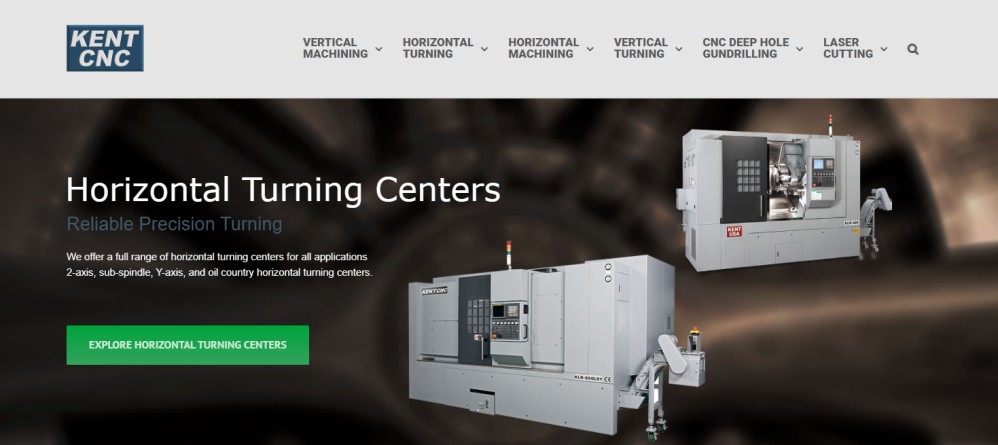
KENT CNC

1979

Taiwan

Precision CNC drilling and machining systems widely used in mold making and industrial manufacturing industries.


1. DMG MORI


Business Type: High-end CNC drilling and multi-axis machining solutions provider

Location: Germany

Year Established: 1870

Manufacturer Introduction:

DMG MORI operates 17 production plants and more than 120 sales and service locations across global markets.

The company employs over 13,500 employees and provides advanced CNC machining and drilling solutions for high-precision manufacturing industries.

DMG MORI focuses on automation, digital manufacturing, and process integration, supporting efficient and stable industrial production.

Its CNC drilling and machining systems are widely used in aerospace, automotive, medical, semiconductor, and mold manufacturing applications.

Business Scope:

  • CNC drilling machines
  • 5-axis machining centers
  • CNC milling and turning systems
  • Automation and smart manufacturing solutions
  • Digital production and process integration systems

Recommended Reason:

DMG MORI is suitable for manufacturers requiring high-precision CNC drilling solutions with advanced automation and long-term machining stability. Its strong global manufacturing network and integrated production technologies make it a preferred choice for demanding industrial applications.


2. MAZAK


Business Type: Integrated CNC drilling and machining systems manufacturer

Location: Japan

Year Established: 1919

Manufacturer Introduction:

Founded in 1919, MAZAK has more than 100 years of experience in CNC machine manufacturing and industrial machining solutions.
The company operates production facilities in Japan, the United States, the United Kingdom, Singapore, and China, supporting global manufacturing markets.

MAZAK develops integrated CNC drilling and machining systems with a strong focus on automation, multitasking capability, and production efficiency.

Its CNC drilling machines are widely used in automotive, aerospace, medical, energy, and precision engineering industries worldwide.

Business Scope:

  • CNC drilling machines
  • CNC machining centers
  • Multi-tasking machining systems
  • CNC turning centers
  • Automation and smart manufacturing solutions

Recommended Reason:

MAZAK is ideal for manufacturers seeking stable CNC drilling performance, integrated machining capability, and strong global service support. Its long manufacturing history and automation-focused solutions make it suitable for both precision machining and high-efficiency production environments.


3. OKUMA


Business Type: Vertically integrated CNC drilling machine manufacturer

Location: Japan

Year Established: 1898

Manufacturer Introduction:

Founded in 1898, OKUMA has over 120 years of experience in CNC machine tool manufacturing and precision engineering.

The company develops core components in-house, including OSP CNC controls, spindles, servo systems, and machine structures, ensuring stable machining performance.

OKUMA is known for its Thermo-Friendly Concept technology, helping maintain drilling accuracy by reducing thermal deformation during long machining cycles.

Its CNC drilling and machining systems are widely used in automotive, aerospace, energy, mold & die, and precision manufacturing industries.

Business Scope:

  • CNC drilling machines
  • Vertical and horizontal machining centers
  • CNC turning centers
  • Multi-tasking machining systems
  • Automation-ready CNC solutions

Recommended Reason:

OKUMA is suitable for manufacturers requiring high drilling accuracy, thermal stability, and long-term machining reliability. Its vertically integrated manufacturing system and in-house control technology make it a strong choice for precision industrial applications.


4. HAAS Automation


Business Type: High-volume CNC drilling machine manufacturer

Location: USA

Year Established: 1983

Manufacturer Introduction:

Founded in 1983, HAAS Automation is one of the largest CNC machine tool manufacturers in the world, focused on efficient large-scale production.

All Haas machines are built in a 1.1-million-square-foot manufacturing facility in Southern California, ensuring centralized production and quality control.

HAAS supports global customers through 170+ Haas Factory Outlets (HFOs) operating in more than 60 countries worldwide.

Its CNC drilling and machining solutions are widely used in general manufacturing, automotive, aerospace, mold making, and industrial machining applications.

Business Scope:

  • CNC drilling machines
  • Vertical and horizontal machining centers
  • CNC turning centers
  • 5-axis machining systems
  • Automation-ready CNC solutions

Recommended Reason:

HAAS Automation is ideal for manufacturers looking for cost-effective CNC drilling solutions with reliable performance and strong global service support. Its large-scale manufacturing capability and extensive HFO network make it suitable for both small workshops and industrial production environments.


5. FANUC


Business Type: Automation-integrated CNC drilling solutions provider

Location: Japan

Year Established: 1956

Manufacturer Introduction:

Founded in 1956, FANUC is a global industrial automation and CNC technology company with decades of experience in intelligent manufacturing systems.

The company is widely recognized for its CNC controls, industrial robots, servo systems, and automation technologies, supporting efficient and stable machining operations.

FANUC develops CNC drilling and machining solutions focused on high-speed processing, automation integration, and production efficiency.

Its CNC systems are extensively used in automotive, electronics, aerospace, medical, and industrial manufacturing industries worldwide.

Business Scope:

  • CNC drilling machines
  • CNC control systems
  • Industrial robots and automation systems
  • Servo motors and drive systems
  • Smart manufacturing solutions

Recommended Reason:

FANUC is suitable for manufacturers seeking automation-ready CNC drilling solutions with intelligent control systems and high production efficiency. Its strong robotics and CNC integration capability makes it a preferred choice for modern smart manufacturing environments.


6. CNCYANGSEN

Business Type: Cost-effective and precision-focused CNC drilling machine manufacturer

Location: China

Year Established: 2003

Manufacturer Introduction:

Founded in 2003, YANGSEN has over 20 years of experience in CNC machine manufacturing and industrial machining solutions.
The company operates manufacturing facilities covering 100,000+ square meters, supported by 700+ employees and an annual production capacity of 5,000+ CNC machines.

YANGSEN holds ISO 9001 certification and owns more than 100 patents, reflecting strong R&D and quality control capability.

Its CNC drilling and machining machines are widely used in automotive, aerospace, mold making, precision parts, and general industrial manufacturing applications.

Business Scope:

  • CNC drilling machines
  • Vertical machining centers
  • Horizontal machining centers
  • Gantry machining centers
  • 5-axis CNC machining solutions

Recommended Reason:

YANGSEN is suitable for manufacturers seeking high-value CNC drilling machines with stable performance and flexible customization capability. Its strong manufacturing scale, competitive pricing, and reliable after-sales support make it a practical choice for global industrial users.


7. Shibaura Machine

Business Type: Industrial CNC drilling and machining systems manufacturer

Location: Tokyo, Japan

Year Established: 1938

Manufacturer Introduction:

Founded in 1938, Shibaura Machine has more than 80 years of experience in industrial machinery and CNC machine manufacturing.

The company focuses on high-rigidity CNC machining and drilling systems, designed for stable and continuous industrial production environments.

Shibaura Machine develops CNC solutions emphasizing machining accuracy, structural stability, and automation compatibility for modern manufacturing applications.

Its CNC drilling and machining systems are widely used in automotive, energy, heavy industry, precision engineering, and industrial component manufacturing sectors.

Business Scope:

  • CNC drilling machines
  • Vertical and horizontal machining centers
  • Industrial CNC machining systems
  • Automation-integrated manufacturing solutions
  • Precision machining equipment

Recommended Reason:

Shibaura Machine is suitable for manufacturers requiring high-rigidity CNC drilling systems with stable long-term machining performance. Its strong industrial engineering background and focus on reliable production make it a dependable choice for continuous manufacturing applications.


8. WELE


Business Type: Precision CNC drilling and machining solutions manufacturer

Location: Taiwan, China

Year Established: 2007

Manufacturer Introduction:

Founded in 2007, WELE is a Taiwan-based CNC machine manufacturer focused on high-precision industrial machining solutions.
The company emphasizes machine rigidity, structural stability, and precision machining performance, especially for demanding industrial applications.

WELE develops CNC drilling and machining systems designed for high accuracy, efficient cutting, and stable long-term operation.

Its CNC machines are widely used in mold making, automotive parts, aerospace, precision components, and industrial manufacturing industries.

Business Scope:

  • CNC drilling machines
  • Vertical machining centers
  • Bridge-type machining centers
  • High-rigidity CNC machining systems
  • Precision industrial machining solutions

Recommended Reason:

WELE is suitable for manufacturers seeking precision-focused CNC drilling solutions with strong structural stability and reliable machining performance. Its focus on rigidity and accuracy makes it a strong option for precision industrial machining environments.


9. KNUTH

Business Type: Workshop-oriented CNC drilling and metalworking machine supplier

Location: Germany

Year Established: 1923

Manufacturer Introduction:

Founded in 1923, KNUTH has over 100 years of experience in metalworking machinery and industrial manufacturing solutions.
The company supplies a wide range of CNC drilling, milling, turning, and workshop machining equipment for global industrial users.

KNUTH focuses on providing practical, flexible, and cost-effective machining solutions suitable for workshops, educational facilities, and industrial production environments.

Its CNC drilling and machining machines are widely used in general manufacturing, maintenance workshops, metal fabrication, and industrial training applications.

Business Scope:

  • CNC drilling machines
  • CNC milling and turning machines
  • Workshop metalworking equipment
  • Industrial fabrication machinery
  • General-purpose CNC machining solutions

Recommended Reason:

KNUTH is suitable for users looking for flexible and cost-effective CNC drilling solutions for workshops and general industrial applications. Its broad equipment range and long industry history make it a practical option for diverse machining needs.


10. KENT CNC


Business Type: Precision industrial CNC drilling machine manufacturer

Location: Taiwan, China

Year Established: 1979

Manufacturer Introduction:

Founded in 1979, KENT CNC has more than 40 years of experience in precision CNC machine manufacturing and industrial machining solutions.
The company focuses on developing high-precision CNC drilling and machining systems with a strong emphasis on rigidity, accuracy, and stable operation.

KENT CNC provides machining solutions designed for precision parts processing, mold manufacturing, and industrial production environments.

Its CNC drilling and machining machines are widely used in automotive, mold & die, metalworking, and general precision engineering applications.
Business Scope:

  • CNC drilling machines
  • Vertical machining centers
  • Precision CNC milling machines
  • Industrial machining solutions
  • Mold and precision component machining systems

Recommended Reason:

KENT CNC is suitable for manufacturers seeking stable and precision-focused CNC drilling solutions for industrial and mold manufacturing applications. Its long manufacturing experience and focus on machining accuracy make it a reliable option for precision production environments.
 

FAQs

1. Which CNC drilling machine brands offer better cost-performance solutions?

Brands like YANGSEN, HAAS Automation, and WELE are often chosen for their balance between machining performance, production capability, and competitive pricing. They are suitable for manufacturers looking to control investment costs while maintaining stable production efficiency.

2. What should buyers compare besides machine specifications?

Besides spindle speed or drilling capacity, buyers should compare factors such as factory scale, manufacturing experience, service network, automation capability, and application experience in similar industries. These directly affect long-term machine reliability.

3. Which CNC drilling machine manufacturers are suitable for automation production lines?

Manufacturers such as FANUC, DMG MORI, and MAZAK focus heavily on automation integration, smart manufacturing, and digital production systems. Their CNC drilling solutions are suitable for high-efficiency and automated industrial production environments.

4. Are CNC drilling machines suitable for small and medium manufacturers?

Yes. Brands such as HAAS Automation, YANGSEN, KNUTH, and KENT CNC provide practical and cost-effective CNC drilling solutions suitable for small workshops, growing factories, and medium-scale industrial production.

5. Why is machine rigidity important for CNC drilling performance?

High machine rigidity helps reduce vibration during drilling operations, improving hole accuracy, surface finish, and tool life. Brands such as Shibaura Machine, DOOSAN, and WELE are known for strong structural stability in industrial machining environments.

6. How can buyers identify a reliable CNC drilling machine manufacturer?

Reliable manufacturers usually have long industry experience, stable production capability, global service support, and proven application cases. Evaluating real manufacturing strength is often more important than only comparing machine prices or specifications.
 

Conclusion

Choosing the right CNC drilling machine manufacturer is critical for improving drilling accuracy, production efficiency, and long-term machining stability.

The brands listed in this guide offer different strengths, ranging from high-precision, automation-focused solutions to cost-effective, industrial-grade drilling systems.

Ready to upgrade your drilling efficiency and production capability?

Contact a trusted CNC drilling machine manufacturer to find the right solution for your machining needs.

Types of Automatic Tool Changers

In CNC machining, slow tool changing can seriously reduce production efficiency.

If your machine frequently stops for tool changes, cycle times lengthen, machining efficiency drops, and automated production becomes difficult — especially when machining complex parts that require multiple tools.

This is why automatic tool changers (ATC) are so important in modern CNC machines.

However, different automatic tool changer types offer different advantages. Some focus on faster tool changes, some provide larger tool capacity, while others are designed for compact machines or heavy-duty machining.

Understanding the differences between ATC types can help you choose a more suitable CNC machine for your production needs.


What Is an Automatic Tool Changer?

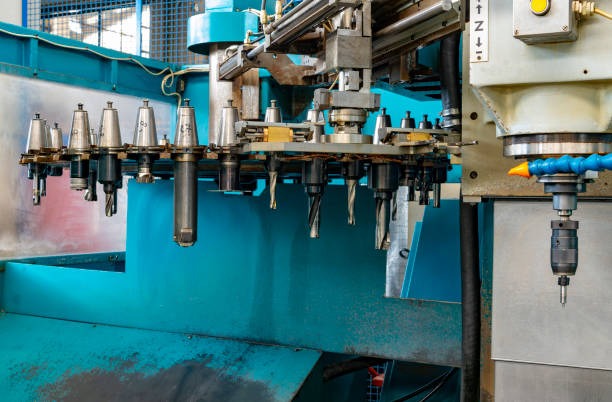
An automatic tool changer (ATC) is a system used in CNC machines to change cutting tools automatically during machining without manual operation.

When a machining program requires a different tool for drilling, milling, tapping, or boring, the ATC quickly removes the current tool and loads the next one into the spindle. This allows the machine to continue machining without stopping production.


A typical automatic tool changer usually includes:

  • Tool magazine
  • Tool holder system
  • Tool changing arm or mechanism
  • Servo drive and positioning system
  • CNC control system


Compared with manual tool changing, an ATC system helps:

  • Reduce machine downtime
  • Improve machining efficiency
  • Support multi-process machining
  • Increase automation capability
  • Improve production consistency

Today, automatic tool changers are widely used in vertical machining centers, horizontal machining centers, gantry machining centers, and 5-axis CNC machines, especially for parts that require multiple machining operations in one setup.


Common Automatic Tool Changer Types

Different CNC machines use different automatic tool changer systems depending on machining requirements, tool quantity, production efficiency, and machine structure. Below are the most common automatic tool changer types used in CNC machining centers.


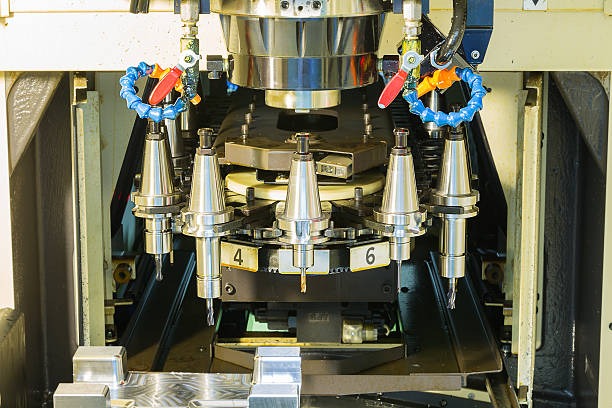
Umbrella Type ATC


The umbrella-type automatic tool changer is commonly used in small and medium vertical machining centers.

Tools are arranged vertically in a circular magazine, and the spindle moves directly to the tool position during tool exchange.

Advantages:

  • Simple structure
  • Lower cost
  • Easy maintenance
  • Compact machine design

Limitations:

  • Slower tool-changing speed
  • Limited tool capacity
  • Not suitable for heavy production

Common Applications:

  • Small VMC machines
  • Light machining
  • Entry-level CNC machining centers


Arm Type ATC

The arm type ATC uses a mechanical arm to exchange tools between the spindle and the tool magazine automatically.

This is one of the most common ATC systems used in high-speed CNC machining centers.

Advantages:

  • Fast tool changing speed
  • Suitable for automated production
  • Higher machining efficiency
  • Supports complex machining operations

Limitations:

  • More complex structure
  • Higher manufacturing and maintenance cost

Common Applications:

  • High-speed machining centers
  • Mold machining
  • Aerospace machining
  • Production machining


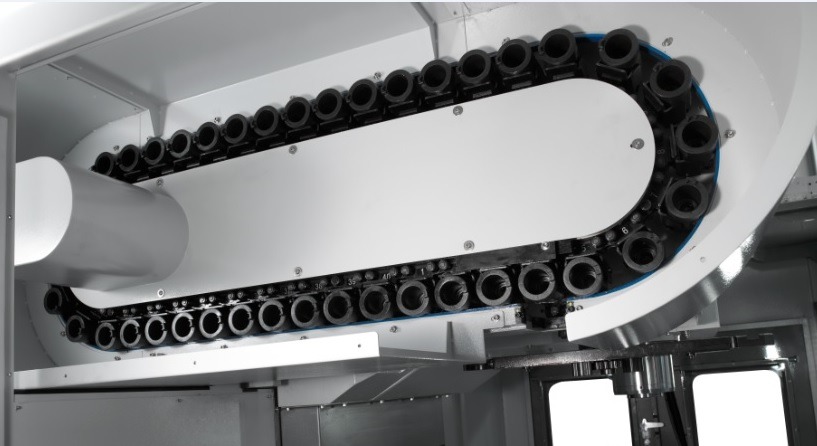
Chain Type ATC


The chain-type automatic tool changer uses a chain-driven tool magazine with large tool storage capacity.

This design is commonly used in large CNC machines that require many tools during machining.

Advantages:

  • Large tool capacity
  • Suitable for complex parts
  • Good for long-cycle unmanned machining
  • Flexible tool arrangement

Limitations:

  • Larger machine footprint
  • Higher maintenance requirements
  • Higher overall machine cost

Common Applications:


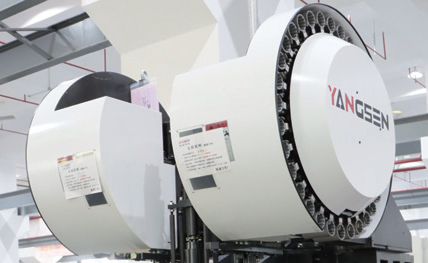
Carousel Type ATC

The carousel-type ATC uses a rotating circular tool magazine mounted beside or above the spindle.

It is widely used in medium-sized CNC machining centers.

Advantages:

  • Compact structure
  • Stable operation
  • Faster than umbrella-type ATC
  • Good balance between speed and cost

Limitations:

  • Moderate tool capacity
  • Limited space for oversized tools

Common Applications:

  • Vertical machining centers
  • General precision machining
  • Medium-speed production


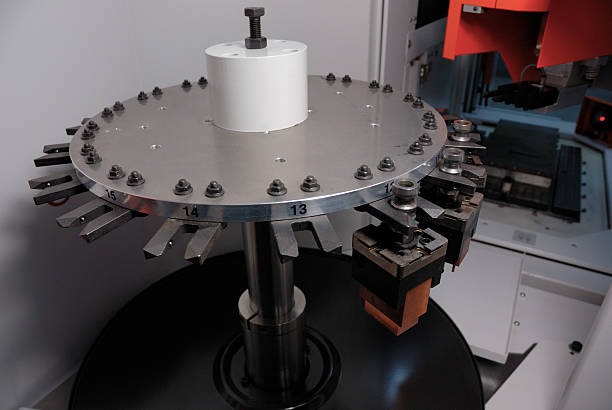
Drum Type ATC


The drum-type ATC stores tools around a rotating drum structure.

This type is designed for compact machines requiring relatively fast tool positioning.

Advantages:

  • Compact design
  • Stable tool positioning
  • Faster indexing speed

Limitations:

  • Limited tool quantity
  • Difficult to expand capacity

Common Applications:

  • Compact machining centers
  • Medium-speed machining applications


Linear Type ATC

The linear type automatic tool changer arranges tools in a straight-line rack instead of a circular magazine.

This type is usually used in customized CNC machines or special machining systems.

Advantages:

  • Simple structure
  • Easy tool access
  • Convenient maintenance

Limitations:

  • Slower tool changing
  • Requires more installation space

Common Applications:

  • Special-purpose CNC machines
  • Customized automation equipment


ATC Type Comparison

Different automatic tool changer types have different advantages in tool change speed, tool capacity, machine size, and machining applications. Choosing the right ATC depends on your production requirements and machining environment.
ATC Type

Tool Change Speed

Tool Capacity

Machine Space

Cost

Best For

Umbrella Type ATC

Slow

Low

Compact

Low

Small VMCs and light machining

Arm Type ATC

Very Fast

Medium to High

Medium

Higher

High-speed and automated machining

Chain Type ATC

Fast

Very High

Large

High

Complex machining and large CNC machines

Carousel Type ATC

Medium

Medium

Compact

Medium

General CNC machining

Drum Type ATC

Medium to Fast

Medium

Compact

Medium

Compact machining centers

Linear Type ATC

Slow

Medium

Larger installation length

Medium

Customized CNC systems


Tool Change Speed Comparison

If production efficiency is the priority, arm-type ATC systems are usually the fastest because they can exchange tools quickly with a mechanical arm.

Umbrella and linear type ATCs are slower, making them more suitable for lighter machining applications.


Tool Capacity Comparison

Chain-type ATCs offer the largest tool storage capacity and are better for complex parts requiring many cutting tools.

Umbrella-type ATCs usually have limited tool capacity and are more suitable for simple machining tasks.


Machine Space Comparison

Umbrella, carousel, and drum-type ATCs are more compact and suitable for machines with limited installation space.

Chain-type ATCs require more machine space because of their larger magazine structure.


Cost Comparison

Umbrella-type ATCs are generally the most economical option.

Arm-type and chain-type ATCs cost more because of their higher speed, larger capacity, and more complex structure.


Which ATC Type Is Better?

There is no single “best” automatic tool changer type.

For compact and cost-effective machining, umbrella or carousel ATCs are common choices.

For high-speed production, arm-type ATCs are more suitable.

For large parts and complex machining, chain-type ATCs provide better flexibility and larger tool capacity.

The right ATC depends on your machining requirements, production volume, and automation goals.


How to Choose the Right ATC


Not every CNC machine needs a large or high-speed automatic tool changer. The right ATC depends on how you actually machine parts in daily production.

If you mainly process simple parts with only a few tools, a compact ATC system is usually enough. But if your machining involves multiple operations, frequent tool switching, or long production cycles, a higher-capacity ATC becomes more important.

When choosing an ATC system, there are several key factors to consider.


Tool Change Speed

In high-volume production, every second of tool change time affects overall machining efficiency.

Faster ATC systems help reduce cycle time

Slow tool changes increase machine idle time

High-speed machining usually requires faster ATC performance

Arm-type ATCs are commonly used when production speed is the priority.


Tool Capacity

Different parts require different numbers of cutting tools.

For simple machining, a small tool magazine may be enough. However, complex parts often require:

  • Multiple drills
  • End mills
  • Taps
  • Boring tools
  • Finishing tools

Larger ATC systems help reduce manual tool replacement and improve machining continuity.


Machining Stability

A stable ATC system is important for machining accuracy and long-term reliability.

Poor tool positioning or unstable tool exchange may cause:

  • Tool change failure
  • Machining interruption
  • Tool damage
  • Reduced machining accuracy

For long-cycle production, ATC stability is often more important than tool change speed.


Machine Space and Structure

Some ATC systems require more installation space.

Compact machines usually use umbrella or carousel-type ATCs, while larger machining centers can support chain-type systems with higher tool capacity.

The machine structure directly affects which ATC type can be installed.


Maintenance Requirements

More complex ATC systems usually require more maintenance.

Before choosing an ATC, many manufacturers also consider:

  • Ease of maintenance
  • Spare parts availability
  • Lubrication requirements
  • Long-term operating cost

A simpler ATC system may reduce maintenance downtime and operating complexity.


Production Requirements

Different industries have different ATC requirements.

Mold machining often requires faster tool switching

Aerospace machining usually needs a larger tool capacity

General precision machining may focus more on cost efficiency

Automated production lines require stable, long-cycle operation

Choosing an ATC that matches your actual production needs is more important than simply choosing the largest system.


FAQs

What is the most commonly used automatic tool changer type?

Arm-type and carousel-type ATCs are the most commonly used in CNC machining centers. Arm-type ATCs are popular for high-speed machining, while carousel-type systems are widely used in general vertical machining centers because of their balanced cost and performance.

Which ATC type is best for high-speed machining?

Arm-type ATCs are usually the best choice for high-speed machining because they provide faster tool exchange and reduce non-cutting time. They are commonly used in mold machining, aerospace parts, and automated production.

How many tools can an automatic tool changer hold?

Tool capacity depends on the ATC design. Small umbrella-type ATCs may hold 12–24 tools, while large chain-type systems can store more than 60 or even 100 tools for complex machining applications.

Why do large CNC machines use chain-type ATCs?

Large CNC machines often machine complex workpieces that require many cutting tools. Chain-type ATCs provide larger tool capacity and better flexibility for long-cycle machining and multi-process operations.

What causes automatic tool changer failures?

Common ATC problems include tool positioning errors, sensor failure, insufficient lubrication, worn mechanical components, and incorrect tool holder installation. Regular maintenance helps improve ATC reliability and reduce machine downtime.

How often should an ATC system be maintained?

Regular inspection and maintenance are important for stable ATC performance. Lubrication, sensor checking, tool holder inspection, and cleaning should be performed periodically to reduce tool change errors and unexpected downtime.


Conclusion

A good automatic tool changer does more than simply change tools — it directly affects machining efficiency, cycle time, and production stability.

Different ATC types are designed for different machining needs. Choosing the right system can help reduce downtime, improve automation, and make complex machining more efficient.

If your production is still limited by slow tool changes or insufficient tool capacity, the ATC system may be one of the most important factors to consider when selecting a CNC machine.

Types of Guideways in CNC Machines

If you're planning to invest in a CNC machining center, understanding guideway types is just as important as comparing spindle speed or machine travels.

Different guideways offer different advantages. Some prioritize speed and precision, while others focus on rigidity and heavy cutting performance. Choosing the right one can improve productivity, machining quality, and long-term return on investment.

This guide will explain the most common types of CNC machine guideways and help you understand which option best fits your machining requirements.


What Is a CNC Machine Guideway?


Definition of a CNC Guideway

A CNC machine guideway is a guiding system that controls and supports the movement of machine components along the X, Y, and Z axes. Its primary function is to ensure smooth, accurate, and stable motion during machining operations.


Structure and Working Principle

A typical CNC guideway system consists of guide rails, moving blocks or sliding surfaces, and a lubrication system. As the machine axis moves, the guideway guides the motion along a fixed path while supporting the cutting forces generated during machining. This helps maintain positioning accuracy and machine stability throughout the machining process.


Advantages of CNC Guideways

Compared with traditional machine tool guide systems, modern CNC guideways offer several advantages:

  • Higher positioning accuracy
  • Smoother machine movement
  • Better vibration control
  • Improved machining stability
  • Higher load-carrying capacity
  • Longer machine service life

The performance of a CNC machine largely depends on its guideway design, which is why guideways are considered one of the most important structural components of a machining center.


Types of Guideways in CNC Machines

Not all CNC guideways are designed for the same purpose. Some focus on high-speed movement and precision, while others are built for rigidity and heavy-duty cutting. Understanding the differences can help you choose a machine that better matches your production requirements.

The most common guideway types used in CNC machining centers include linear ball guideways, roller guideways, box guideways, and hydrostatic guideways.


Linear Ball Guideways

Linear Ball Guideways Used in CNC Machining Centers

What Is a Linear Ball Guideway?

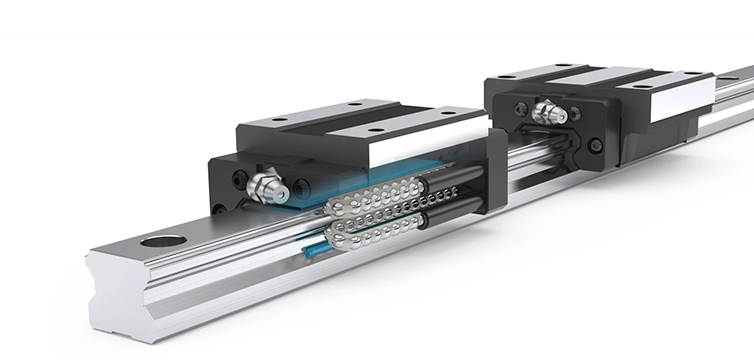
A linear ball guideway uses recirculating steel balls between the guide rail and the guide block. As the axis moves, the balls roll continuously inside the guide block, reducing friction and allowing smooth, precise movement.

This is one of the most common guideway types found in modern vertical machining centers and high-speed CNC machines.

Benefits

  • Low friction for smooth movement
  • High positioning accuracy
  • Fast, rapid traverse speeds
  • Suitable for high-speed machining
  • Lower lubrication requirements

Downsides

  • Lower rigidity than box guideways
  • Less vibration damping during heavy cutting
  • May not be ideal for large cutting loads


Roller Linear Guideways


Roller Linear Guideway System for Heavy-Duty CNC Machining


What Is a Roller Guideway?

A roller guideway works similarly to a ball guideway but uses cylindrical rollers instead of steel balls. The larger contact area allows the guideway to carry higher loads while maintaining excellent movement accuracy.

Many high-performance machining centers use roller guideways to achieve a balance between speed and rigidity.

Benefits

  • Higher rigidity than ball guideways
  • Greater load-carrying capacity
  • Better cutting stability
  • Suitable for both roughing and finishing
  • Maintains high-speed performance

Downsides

  • Higher manufacturing cost
  • More demanding installation accuracy
  • Generally, more expensive than ball guideways


Box Guideways (Hard Ways)

What Is a Box Guideway?

A box guideway, also known as a hard way, uses large sliding contact surfaces instead of rolling elements. The guide surfaces are precision-ground and lubricated with oil to reduce friction during movement.

Box guideways are commonly used in heavy-duty machining centers, horizontal boring mills, and large gantry machines.

Benefits

  • Excellent machine rigidity
  • Strong vibration absorption
  • High load capacity
  • Outstanding heavy-cutting performance
  • Suitable for large workpieces

Downsides

  • Higher friction resistance
  • Slower axis movement
  • More maintenance and lubrication required
  • Less suitable for high-speed machining


Hydrostatic Guideways

What Is a Hydrostatic Guideway?

A hydrostatic guideway uses pressurized oil to create a thin oil film between the guide surfaces. Because the moving components do not directly contact each other, friction and wear are greatly reduced.

This type of guideway is mainly used in ultra-precision and high-end CNC equipment.

Benefits

  • Extremely high precision
  • Excellent vibration damping
  • Minimal wear over time
  • Outstanding long-term accuracy

Downsides

  • High manufacturing cost
  • Complex hydraulic system
  • Rarely used in standard machining centers
  • Higher maintenance requirements

Each guideway type offers different advantages. Linear ball guideways prioritize speed and efficiency, roller guideways provide a balance between speed and rigidity, box guideways excel in heavy-duty cutting, and hydrostatic guideways are designed for ultra-precision applications. The best choice depends on your machining materials, cutting conditions, and production goals.


Which CNC Guideway Is Right for Your Application?

Choosing the right guideway is not about finding the most advanced option—it's about finding the one that best fits your machining requirements. Different guideway types are designed for different production goals, and the right choice can improve machining efficiency, surface finish quality, and overall machine performance.

The table below provides a quick comparison of the most common CNC guideway types.


CNC Guideway Comparison Table

Feature

Linear Ball Guideway

Roller Guideway

Box Guideway

Hydrostatic Guideway

Movement Speed

Excellent

Excellent

Moderate

Moderate

Positioning Accuracy

Excellent

Excellent

Very Good

Excellent

Rigidity

Good

Very Good

Excellent

Excellent

Load Capacity

Good

Very Good

Excellent

Excellent

Vibration Damping

Fair

Good

Excellent

Excellent

Heavy Cutting Capability

Good

Very Good

Excellent

Excellent

Maintenance

Easy

Easy

Moderate

Complex

Cost

Low

Medium

Medium

High


In most modern machining centers, linear ball guideways and roller guideways are the most common choices because they offer excellent speed and accuracy. Box guideways remain popular for heavy-duty applications where rigidity and cutting power are more important than rapid movement speed. Hydrostatic guideways are typically reserved for ultra-precision machining where maximum accuracy is required.


FAQs

1. What is the most common guideway type used in CNC machining centers?

Linear ball guideways are the most commonly used guideway type in modern CNC machining centers. They offer a good balance of speed, accuracy, and cost, making them suitable for a wide range of machining applications.

2. What is the difference between ball guideways and roller guideways?

Both are linear guide systems, but roller guideways use cylindrical rollers instead of balls. This gives roller guideways higher rigidity and load capacity, making them suitable for more demanding machining applications.

3. Which guideway type is best for mold manufacturing?

Linear ball guideways and roller guideways are commonly used in mold manufacturing because they provide high precision, smooth motion, and efficient machining of complex mold components.

4. Are linear guideways suitable for steel machining?

Yes. Modern linear guideway machines can effectively handle steel machining. However, for continuous heavy cutting of large steel workpieces, box guideways may offer better stability and cutting performance.

5. Which guideway is best for heavy-duty cutting?

Box guideways are generally preferred for heavy-duty cutting because they provide higher rigidity, stronger load-carrying capacity, and better vibration absorption during aggressive machining operations.

6. How do I choose the right guideway for my CNC machine?

The best guideway depends on your materials, workpiece size, cutting requirements, and production goals. High-speed machining often benefits from linear guideways, while heavy-duty machining typically favors box guideways. Understanding your application is the key to selecting the right machine.


Conclusion

Different CNC guideways are designed for different machining tasks. Linear ball guideways focus on speed and efficiency, roller guideways provide a balance of speed and rigidity, while box guideways are better suited for heavy-duty cutting.

There is no single guideway that is best for every application. The right choice depends on your materials, machining requirements, and production goals. Understanding these differences can help you choose a CNC machine that delivers the performance your business needs.

Still unsure which guideway is right for your application? Contact our team to discuss your machining requirements and find the best solution.

CNC Machine Solutions for Precision Manufacturing and Heavy-Duty Machining

2 Ton Economical Diesel Forklift | Low Cost Material Handling Forklift For Warehouse

       Global small warehouse operators, logistics distributors and farm cargo handlers are constantly searching for budget-friendly reliable lifting equipment, and our 2 Ton Diesel Forklift Truck is tailored to meet low-budget bulk procurement demands. Many overseas buyers compare our model with mainstream world-famous forklift brands and find that our economical version retains core load-bearing performance while cutting unnecessary high-end configurations, perfectly matching daily frequent loading and unloading tasks in small and medium-sized warehouses, cargo yards and construction temporary storage areas. This forklift has passed CE certification, supports full export document packaging, and is one of our best-selling entry-level diesel forklift models for global bulk orders.

2 Ton Small Diesel Forklift With Mitsubishi Engine

       We sort out 4 core advantages from the RFQ inquiry perspective to answer all procurement concerns of importers and distributors directly, with clear comparison against international well-known brands:

1: Factory direct ex-factory price advantage. Without intermediate dealers markup, our unit price is 28% lower than the mainstream famous brand standard version with the same 2-ton load capacity; minimum order quantity supports 1 unit trial purchase, and tiered discounts are available for bulk orders above 10 units, greatly lowering buyers’ initial procurement capital pressure.

Advantage 2: Low fuel consumption durable power assembly. Matched with domestic mature brand diesel engine, stable power output meets rated 2000kg full-load lifting; comprehensive fuel consumption per working hour is 12% less than competing famous brands, long-term continuous operation effectively reduces daily operating costs.

Advantage 3: Simple structure low maintenance cost. Adopts mechanical transmission mature structure, universal spare parts globally available; routine maintenance parts price is less than half of famous brand original accessories, local maintenance technicians can complete overhaul without professional training, avoiding long downtime losses.

Advantage 4: Flexible customization for basic demands. Standard lifting height 3m supports free upgrade to 3.5m/4m mast; optional solid rubber tires for rough ground, complete basic attachments including side shifter and fork positioner, fully cover conventional warehouse handling scenarios without redundant high-end function charges.

       ZoNuo 2 ton economical Diesel Powered Forklift does not blindly reduce material standards for cost control. The whole vehicle adopts thickened integral welded counterweight frame, stable driving even on sloped yard ground; standard safety protection devices including overhead guard, load backrest and emergency stop button are fully reserved, meeting EU workplace safety operation standards. Different from the famous brands’ unified high fixed pricing strategy regardless of customer usage frequency, our economical model accurately splits product positioning, specially serving customers with medium-low frequency daily handling and limited annual equipment budget.

       For overseas wholesalers, rental companies and small factory end users pursuing cost control first, our economical 2-ton diesel forklift forms obvious cost-performance gap with international first-line forklift brands. We provide long-term global spare parts supply channel, 12-month whole vehicle warranty and remote operation guidance service. If you plan to send RFQ for forklift bulk purchase, you can send your detailed usage scenario and order quantity, we will issue the most targeted quotation and technical parameter sheet quickly.

Guide to FD Series 2.0-3.5 Ton Diesel Forklifts for Heavy Material Handling

In the world of heavy material handling, efficiency and reliability are the cornerstones of a successful operation. The FD Series 2.0-3.5 Ton Diesel Forklift Truck represents a pinnacle of industrial engineering, designed to tackle the most demanding environments, from bustling shipping ports to rugged steel mills. As global logistics chains grow more complex, having a robust solution that combines raw power with precision control is no longer a luxury—it is a necessity.

One of the primary advantages of the FD Series is its unmatched power and structural stability. These heavy-duty machines are equipped with high-performance engines that provide the high torque required for lifting loads up to 3.5 tons with ease. The reinforced chassis and low center of gravity ensure that even at maximum lift heights, the vehicle remains stable, significantly reducing the risk of tipping and ensuring the safety of both the cargo and the operator.

Efficiency is further enhanced through advanced hydraulic systems and intelligent control. The FD Series utilizes high-pressure hydraulic components that allow for smooth, responsive mast movements. This precision is critical when maneuvering oversized loads in tight spaces. Moreover, the integration of ergonomic cabin designs—featuring panoramic visibility and intuitive controls—minimizes operator fatigue, allowing for higher productivity during long shifts without compromising on precision.

Durability and ease of maintenance also set this series apart. Recognizing that downtime is a significant cost factor in industrial B2B operations, the FD Series is built with accessible service points and high-wear-resistant components. The cooling system is optimized for continuous high-load operation, preventing overheating even in extreme climates. This focus on longevity ensures a lower total cost of ownership over the machine's lifecycle.


To help you better understand the technical capabilities and operational requirements of these machines, we have compiled the following frequently asked questions:


  1. Q1: What are the primary applications for the 2.0-3.5 ton FD series?
  2. It is ideal for heavy industrial sectors, including container handling at ports, heavy machinery manufacturing, and the transport of large-scale stone or metal materials.
  3.  
  4.  
  5. Q2: What engine options are available for these forklifts?
  6. The series typically offers world-class engine options, such as Cummins or Volvo, ensuring compliance with international emission standards while providing reliable power.
  7.  
  8.  
  9. Q3: How does the forklift handle safety in high-lift scenarios?
  10. It features an integrated safety system including mast tilt locking, overload protection, and an enhanced braking system for reliable stopping power.
  11.  
  12.  
  13. Q4: Can the FD Series operate in extreme weather conditions?
  14. Yes, the heavy-duty cooling system and weather-sealed cabin are designed to perform in both high-temperature environments and cold-weather operations.
  15.  
  16.  
  17. Q5: What kind of after-sales support is available for maintenance?
  18. The modular design allows for quick part replacement, and our global service network provides technical support and genuine spare parts to ensure minimal downtime.


As global industries continue to scale, the need for reliable, high-capacity material handling equipment is more vital than ever. The FD Series 2.0-3.5 Ton Diesel Forklift Truck is not just a tool; it is a strategic investment in your operational throughput. By choosing a solution that prioritizes power, safety, and durability, you ensure your business is equipped for the challenges of tomorrow.


For more detailed technical specifications and to find the perfect configuration for your specific industrial needs, visit zonuo.com. Our team of experts is ready to assist you in optimizing your fleet with the most advanced heavy-duty forklift solutions available on the market. Reach out today to elevate your logistics capabilities to the next level.

High Configuration 2 Ton Diesel Forklift | Heavy-Duty Industrial Lifting Forklift Truck

       Heavy-load industrial factories, large logistics parks, port cargo transfer stations and 24-hour continuous operation enterprises have higher requirements for forklift comprehensive performance, and our High Lift 2 Ton Isuzu Engine Diesel Forklift is developed for high-intensity uninterrupted working conditions. Many large overseas importers and group purchasers compare our high-end version with world-renowned premium forklift models; our upgraded configuration reaches the same industrial grade level, while delivering more flexible customized services and shorter delivery cycles, suitable for multi-shift non-stop material handling scenarios with strict equipment stability requirements.

2000kg Diesel Warehouse Forklift With Side Shift

       We elaborate 4 exclusive high-end advantages from RFQ bulk group procurement perspective, detailed differentiated comparison with international famous brand high-spec versions:

1: Imported brand high-torque engine + full hydraulic transmission system. Matched internationally recognized high-performance diesel engine, low-temperature cold start stable, climbing ability up to 22%; full hydraulic stepless transmission operates smoothly without impact, the whole vehicle failure rate in long-term three-shift operation is 15% lower than famous brand high configuration standard model.

2: Humanized full comfort driving system with safety interlock upgrade. Suspension shock-absorbing luxury seat, adjustable steering column, fully enclosed noise reduction cab optional; seat safety interlock + hydraulic pipeline burst protection valve dual safety design, even hydraulic pipe rupture, mast keeps locked without goods falling, safety grade exceeds basic industry standard of competing famous brands.

3: Extended service interval & global localized after-sales support. Engine maintenance cycle extended to 500 working hours, far longer than the 250-hour cycle of famous brand ordinary high-spec version; we cooperate with overseas local authorized service stations in more than 40 countries, on-site maintenance can be arranged within 48 hours for bulk ordered customers, no long-distance spare parts waiting cycle.

4: Rich intelligent & customized extended functions. Standard digital load display, fault self-diagnosis system; freely install fork rotation device, container special mast, push-pull attachment and intelligent height limit sensor; support OEM body color, logo printing, export packaging customization, perfectly match large enterprise standardized fleet management demands, while customization cost is 30% lower than famous brand personalized modification fee.

       Different from the economical version focused on cost control, ZoNuo High Configuration Diesel Forklift focuses on long-term high-intensity continuous operation stability and driver comfort optimization. The whole vehicle adopts reinforced thickened chassis and high-strength lifting chain, anti-fatigue structural design adapts to port, heavy machinery factory, large logistics park 24-hour three-shift operation environment. Famous brand high-spec models often bind multiple optional functions into fixed high-price packages, while our high configuration version supports single function selective upgrade, customers only pay for actual needed configurations.

       For large overseas manufacturing groups, port logistics operators and long-term equipment fleet leasing enterprises, our high-spec 2-ton diesel forklift balances top-level industrial performance and flexible procurement terms, breaking the monopoly of famous brands in high-end forklift market. We provide 24-month extended whole vehicle warranty, complete batch export inspection documents and on-site operator training video package. Welcome global large purchasers to send detailed RFQ including fleet scale, working environment and required attachments, we will provide customized turnkey material handling solutions.

ZoNuo Electric Self-lifting Stacker Expanding New Markets For Overseas Warehousing Equipment With Strong Strength

As a powerful enterprise focusing on the R&D, production and export of forklifts and Material Handling Equipment, ZoNuo has always taken "Technology Empowers Efficiency, Quality Wins Trust" as its core. Electric Self Lifting Pallet Stacker, with its product features of both flexibility and safety, has quickly become a new choice for customers in the overseas warehousing, logistics and manufacturing fields, further consolidating ZoNuo's competitiveness in the global electric warehousing equipment market.

1000kg Electric Self Lifting Pallet Stacker

In terms of product quality control, ZoNuo has established strict full-process standards for its electric vehicle-mounted aerial work platforms, from R&D and design to production and delivery. Core components are all sourced from internationally renowned brand suppliers. For example, the high-capacity lithium battery pack boasts an ultra-long cycle life and stable battery life; the lifting platform made of high-strength steel can withstand the test of multiple loads. At the same time, the platform is equipped with multiple safety devices such as anti-tipping protection, emergency braking and overload warning. Each piece of equipment must pass more than 30 performance tests and simulated working condition tests before leaving the factory, ensuring compliance with international certification standards such as EU CE and US UL, and providing reliable quality assurance for overseas customers.

Electric Self Load Stacker Manufacturer

Compared with traditional aerial work equipment, the core advantages of ZoNuo's electric vehicle-mounted aerial work platform are concentrated in two dimensions: "flexible adaptation" and "high efficiency and energy saving". The equipment adopts a lightweight design, which can be easily adapted to various freight vehicles. It can realize rapid transfer without fixed installation, meeting the operation needs of multiple scenarios. The electric drive system not only features low noise and zero emissions, conforming to the global trend of green environmental protection, but also can achieve precise speed regulation and stable lifting through the intelligent control system. This greatly improves the efficiency of operations such as cargo loading and unloading and high-altitude maintenance, helping customers reduce labor costs and operating energy consumption, and truly realizing the use value of "cost reduction and efficiency improvement".


Relying on its outstanding product performance and comprehensive service system, ZoNuo's electric self lifiting stacker has successfully entered many overseas markets such as Europe, Southeast Asia and North America, and established long-term cooperative relationships with local large-scale logistics parks and manufacturing enterprises. In the future, ZoNuo will continue to focus on the needs of overseas customers, rely on its professional R&D team and global supply chain to continuously optimize the functions and performance of electric vehicle-mounted aerial work platforms. At the same time, it will provide customized solutions and timely after-sales support, and use high-quality products to help global customers improve warehousing operation efficiency, promoting the further development of ZoNuo in the international electric warehousing equipment market.