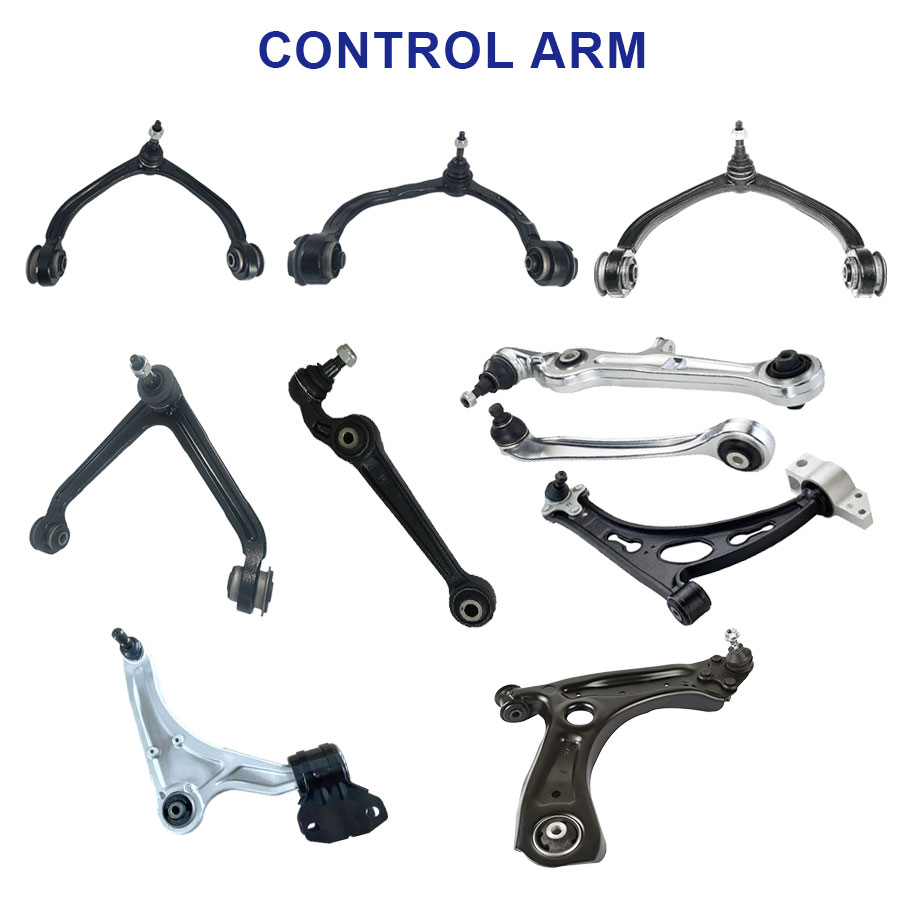
FENGYU Control Arms Durable Suspension Core for Global Vehicles

As a leading producer of automotive components with over three decades of professional experience, FENGYU has solidified its reputation as a trustworthy provider of Control Arms, delivering precision and longevity to the global aftermarket. Specializing in suspension parts, we offer an extensive lineup of Control Arms compatible with 90% of vehicle brands—covering Japanese makes (Toyota, Honda, Lexus, Nissan), American models (Ford, Dodge, Chevrolet, Chrysler), and even European brands like Volvo and BMW. This makes us the preferred choice for Toyota Control Arms, Honda Control Arms, Ford Control Arms, Dodge Control Arms, Chevrolet Silverado Upper Control Arms, Chrysler Control Arms, Lexus Control Arms, and Nissan Control Arms, among others.
Toyota Control Arm

Engineered for Longevity: Premium Materials & Meticulous Craftsmanship

At FENGYU, every Control Arm is built to endure the demands of daily driving and harsh road conditions, starting with top-tier materials. Our Control Arms feature high-strength alloy steel frames, ensuring exceptional rigidity to handle the pressure of vehicle weight, off-road bumps, and heavy loads. The integrated bushings—crafted from high-density, wear-resistant rubber—provide essential shock absorption, reducing noise and vibration while preventing metal-on-metal friction that shortens part life.

We also prioritize protection against corrosion: each Control Arm undergoes a multi-layer coating process (including zinc plating and anti-rust paint) to shield against road salt, moisture, and debris—critical for maintaining performance in rainy or snowy regions. Hardware such as mounting brackets and bolts are forged from high-tensile steel, guaranteeing a secure fit that won’t loosen over time, whether it’s a Chevrolet Silverado Upper Control Arm or a Lexus Control Arm.

Tailored to Your Business: Flexible OEM/ODM Solutions

Recognizing the varied needs of aftermarket distributors, wholesalers, and importers, FENGYU offers customizable OEM/ODM services for Control Arms to help you build your brand. You can choose from finishes like matte black or silver, add laser-engraved logos or part numbers for easy brand recognition, or opt for personalized packaging—from branded color boxes to custom polybags that align with your marketing strategy.

With a low MOQ of 100 units per model, we eliminate the burden of large inventory commitments, making it easy to stock both bestsellers (like Toyota Control Arms and Ford Control Arms) and specialized options (such as Chevrolet Silverado Upper Control Arms). Our factory-direct pricing also ensures you get competitive profit margins, helping you stay ahead in the aftermarket.

Quality You Can Rely On: Strict Testing & Global Certifications

Quality is non-negotiable at FENGYU, and every Control Arm undergoes rigorous testing to meet or exceed OE standards. We start with raw material inspections (verifying the strength of alloy steel), then conduct in-process checks to ensure dimensional accuracy—critical for a perfect fit with each vehicle model. Before shipment, each Control Arm is tested for load-bearing capacity (to confirm it handles vehicle weight safely), bushing flexibility (to ensure smooth movement), and corrosion resistance (to validate long-term durability).

Our commitment to quality is backed by IATF 16949 and ISO certifications, meaning every FENGYU Control Arm—whether a Nissan Control Arm or a Chrysler Control Arm—adheres to global quality benchmarks. You can trust that our parts will perform as reliably as original components, keeping end-users safe and comfortable on the road.

Supported by Expertise & Responsive After-Sales Service

We stand behind every Control Arm we produce with a solid warranty and 24/7 after-sales support. If you encounter any issues—whether a fitment concern with a Honda Control Arm or a performance question about a Chevrolet Silverado Upper Control Arm—our team is ready to assist. Simply share photos or videos of the problem, and we’ll provide prompt solutions, including refunds or replacements in your next order.

With over 30 years of export experience, we understand the importance of timely delivery. Our ready stock of 100,000+ Control Arms (including hot-selling models like Toyota Control Arms and Ford Control Arms) ensures quick turnaround for urgent orders, while custom OEM/ODM orders are fulfilled within 30–45 days—keeping your inventory flowing and your customers satisfied.

Partner with FENGYU for Suspension Excellence

Whether you need to stock Toyota Control Arms for sedans, Chevrolet Silverado Upper Control Arms for trucks, or Lexus Control Arms for luxury SUVs, FENGYU combines quality, flexibility, and expertise to support your business. We don’t just supply parts—we build long-term partnerships, offering professional guidance to help you curate a product range that meets your market’s unique needs.

Looking for a trusted Control Arm supplier? Contact the FENGYU team today to explore our full range, discuss customization options, and get a free quotation. Grow your business with parts built to deliver lasting suspension performance.
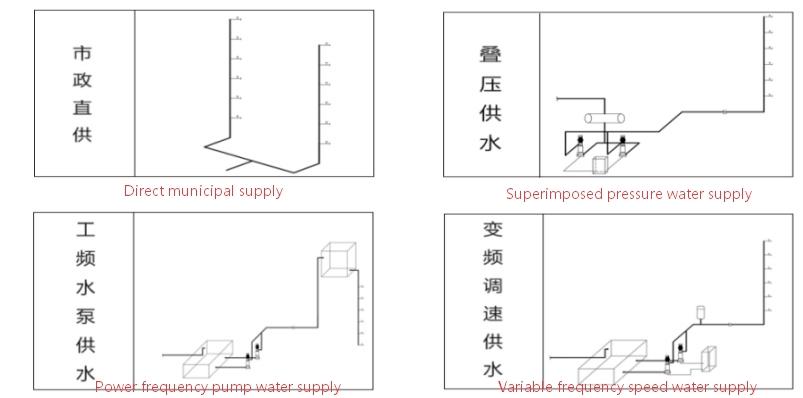
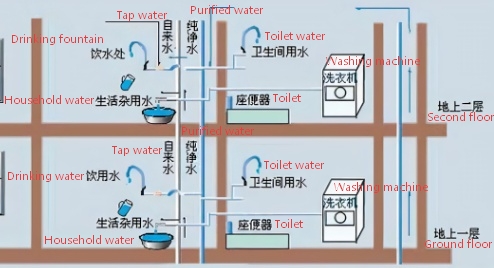
What are the water supply methods for buildings?


1. Municipal Direct Supply


Principle: Water is supplied through the municipal pipeline network to a water tank (or reservoir), which is then pressurized and pumped to the user's water point.


Components: Water tank (reservoir), pump, pipes, valves, etc.


Features:

Advantages:

Simple system with low investment cost.

The water tank can store a certain amount of water, allowing for temporary water supply during a municipal pipeline outage, ensuring continuous water supply.

Disadvantages:

The water tank requires regular cleaning and disinfection, otherwise it can easily breed bacteria and algae, affecting water quality.

It occupies building space (such as a rooftop or basement) and has certain structural requirements.


Applicable scenarios: Multi-story buildings, locations with low water quality requirements, or areas where municipal pipeline pressure is unstable but water storage is required.


2. Superimposed Pressure Water Supply


Principle: Directly connected to the municipal water supply network, water is supplied by superimposing the municipal water supply pressure through a flow stabilization tank and a water pump. No water tank is required (or only a small-volume flow stabilization tank is required).


Components: Flow stabilization tank, water pump unit, pressure sensor, negative pressure prevention device, control cabinet, etc.


Features:

Advantages:

No large water tank required, saving building space and reducing the risk of water contamination.

Overlay water pressure utilizes municipal pipe pressure, resulting in significant energy savings (approximately 30%-50% energy savings compared to traditional variable-frequency water supply).

Easy installation and a small footprint make it suitable for retrofit projects.

Disadvantages:

Limited by municipal pipe pressure, low pressure may affect water supply to surrounding users.

Requires high municipal pipe water quality (not suitable for use in areas with easily contaminated water).


Applicable Scenario: Areas with stable municipal pipe pressure and good water quality, particularly suitable for high-rise buildings with high water quality requirements and limited space (such as residential communities and commercial complexes).


3. Industrial Frequency Water Pump Supply Method


Principle: A water pump operates at a fixed speed under a constant industrial frequency power supply (typically 50Hz AC). The centrifugal force generated by the rotating pump impeller pressurizes and delivers water to the pipe network. Its core characteristic is that the pump speed is constant, and the water flow rate is primarily regulated by valves (such as throttle valves and check valves). The speed cannot be adjusted in real time based on water consumption, making this a traditional fixed-speed water supply method.


Components: Flow stabilization tank, pump unit, pressure sensor, piping system, valves, and control devices.


Features:

Advantages:

Simple system structure, no complex variable frequency control system or pressure sensor required, minimal equipment, and easy installation and commissioning.

Low initial investment cost, eliminating expensive equipment such as frequency converters and intelligent controllers, resulting in significantly lower hardware costs than variable frequency water supply systems.

Stable operation, stable mains power supply, and no electromagnetic interference or control system failures that can occur with variable frequency equipment.

Disadvantages:

High energy consumption, poor economic efficiency, inability to adjust speed based on water consumption, and constant operation at maximum power. When water consumption decreases, valves must be used to throttle and reduce pressure, resulting in a "big horse pulling a small cart" phenomenon and significant energy waste. (Statistically, compared to variable frequency water supply, mains frequency water supply may consume more energy.) 30%-50%).


Water pressure fluctuates significantly. During peak water usage, insufficient pump output can cause a drop in water pressure, resulting in insufficient water supply to high-rise users. During low water usage, excessive pressure in the pipe network can damage pipes or water-using appliances (such as faucets and water heaters).


4. Variable Frequency Drive Water Supply Method


Principle: The frequency converter controls the pump speed, adjusting the water supply pressure in real time based on water consumption to maintain constant pipe network pressure.


Components: Pump unit, frequency converter, pressure sensor, control cabinet, piping, etc.


Features:

Advantages:

High efficiency and energy saving, on-demand water supply, and avoids the "high-pressure throttling" problem of traditional water supply methods. This reduces energy waste.

The high degree of automation eliminates frequent manual operation, resulting in stable pressure and a superior water experience.

The low starting current of the pump reduces mechanical wear and extends equipment life.

Disadvantages:

High equipment investment (requires inverters, control cabinets, etc.).

High control system stability requirements, requiring specialized maintenance personnel.


Applicable scenarios: High-rise buildings, locations with high water consumption and high water quality requirements (such as hotels, hospitals, and office buildings), or areas with insufficient municipal pipe pressure but requiring a stable water supply.

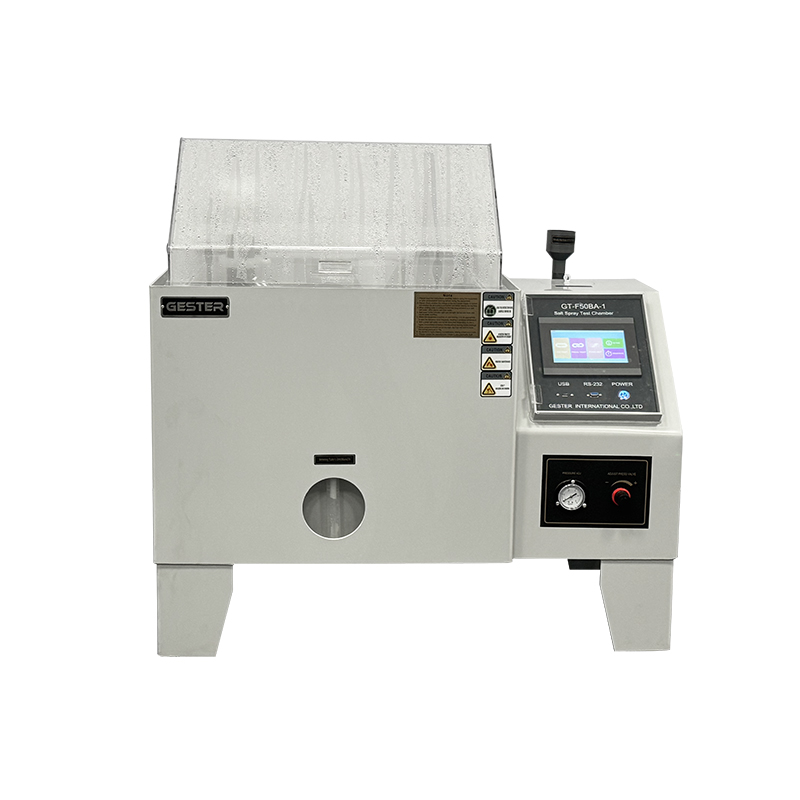
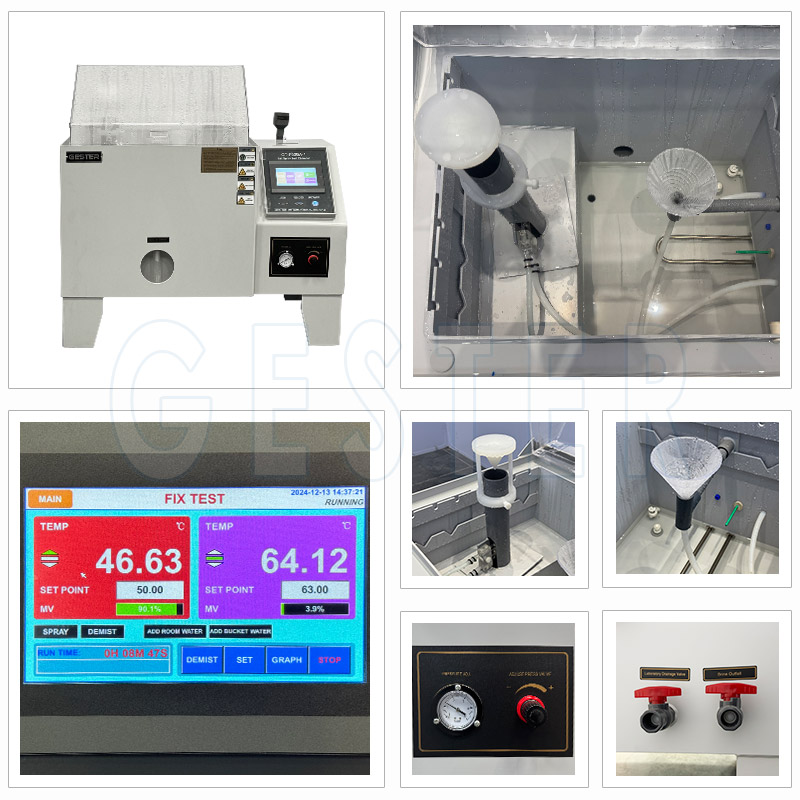
About the Three Testing Methods of the GT-F50 Salt Spray Test Chamber

About the Three Testing Methods of the GT-F50 Salt Spray Test Chamber

The GT-F50 Salt Spray Test Chamber, as an advanced environmental simulation device, plays a crucial role in industrial testing. It is primarily used to test the corrosion resistance of various materials' surfaces after electroplating, anodizing, painting, rust-proof oil treatments, and more. This article will explain in detail the three testing methods of the GT-F50 Salt Spray Chamber: Neutral Salt Spray Test (NSS), Acetic Acid Salt Spray Test (AASS), and Copper Accelerated Acetic Acid Salt Spray Test (CASS).


I. Overview of the GT-F50 Salt Spray Test Chamber

The Salt Spray Test Chamber, also known as a salt spray corrosion test chamber, aims to evaluate the corrosion resistance of materials by simulating a salt spray environment. It is suitable for testing the corrosion resistance of various surface treatments, including electroplating, anodizing, painting, and rust-proof oil. The GT-F50AB Salt Spray Chamber is specifically designed for conducting the Neutral Salt Spray Test (NSS), Acetic Acid Salt Spray Test (AASS), and Copper Accelerated Acetic Acid Salt Spray Test (CASS).

II. Neutral Salt Spray Test (NSS)

1. Principle:

1.1 The Neutral Salt Spray Test (NSS) is the most common salt spray test method. It uses a 5% sodium chloride solution with a pH value between 6.5 and 7.2.
1.2 This test simulates the corrosion environment under marine climate conditions and is widely used to assess the corrosion resistance of metals and their protective coatings.

2. Testing Process:
2.1 Salt spray is generated within the test chamber, exposing the test samples to the salt spray environment.
2.2 The duration of the test is determined by the material and standard requirements, typically ranging from 24 to 1000 hours.

3. Application:
3.1 NSS testing is suitable for various metal materials, including steel, aluminum, copper, and their alloys, as well as various coatings and platings.
3.2 This method is primarily used for preliminary assessments of general corrosion resistance.

III. Acetic Acid Salt Spray Test (ASS)

1. Principle:
1.1 The Acetic Acid Salt Spray Test (ASS) builds upon the NSS test by adding acetic acid to the sodium chloride solution, lowering the pH to between 3.1 and 3.3 to simulate a more severe acidic environment.
1.2 This test method is mainly used to simulate the corrosive effects of acidic pollutants in industrial atmospheres on materials.

2. Testing Process:
2.1 Test samples are exposed to an acidic salt spray environment in the AASS test, with the testing duration depending on the corrosion resistance requirements of the material.
2.2 The corrosion resistance is evaluated by observing the corrosion condition of the sample surface.

3. Application:
3.1 ASS testing is primarily used to test the corrosion resistance of electroplated layers, anti-corrosion coatings, and other materials in acidic environments.
3.2 It is particularly suitable for evaluating metal products and coatings used in industrial environments.

IV. Copper Accelerated Acetic Acid Salt Spray Test (CASS)

1. Principle:
1.1 The Copper Accelerated Acetic Acid Salt Spray Test (CASS) is an enhanced version of the AASS test. It adds a small amount of copper chloride to the solution to accelerate the corrosion process while maintaining a pH between 3.1 and 3.3.
1.2 CASS testing simulates more complex and harsh corrosion environments and is used for high-demand corrosion resistance testing.

2. Testing Process:
2.1 A copper-ion-containing acidic salt spray is generated in the test chamber, with test samples exposed to this environment.
2.2 The testing duration is relatively short but with high corrosion intensity, typically between 24 and 120 hours.

3. Application:
3.1 CASS testing is widely used in high-standard fields such as aviation, marine, and military industries to test the performance of high-demand anti-corrosion materials.

3.2 It is particularly suitable for evaluating the corrosion resistance of aluminum alloys, magnesium alloys, and their surface treatments.


V. Advantages of the GT-F50 Salt Spray Testing Machine

1. Material and Structure: The entire salt spray tester is made of 5mm imported gray PVC sheet. It uses advanced internal three-dimensional reinforcement technology, ensuring a strong structure, deformation resistance, acid and alkali resistance, high-temperature resistance, and aging resistance. It applies to various test specifications such as salt spray and copper acetate tests.

2. Heating Method: The test room uses a steam direct heating method, which ensures fast and uniform temperature rise, reducing standby time. The heating tube is made from titanium, offering high corrosion resistance.

3. Safety Features: Dual-function over-temperature protection is included. In case of over-temperature, it will display a warning and cut off the heater power to ensure safe use.

4. Automatic Features: The chamber includes an automatic spray exhausting device, allowing clear observation of the samples in the test room.

VI. Conclusion

As an advanced environmental simulation device, the GT-F50 Salt Spray Test Chamber provides reliable technical support for testing the corrosion resistance of materials through the NSS, AASS, and CASS tests. Whether for general corrosion testing or high-demand corrosion resistance evaluations, the Salt Spray Testing Machine demonstrates its excellent performance and wide application prospects.


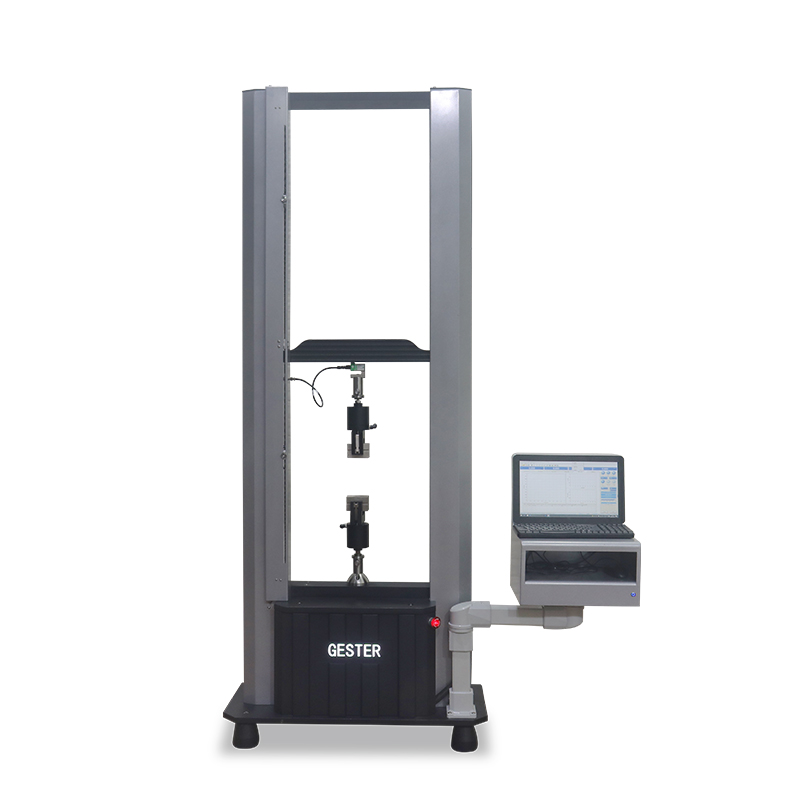
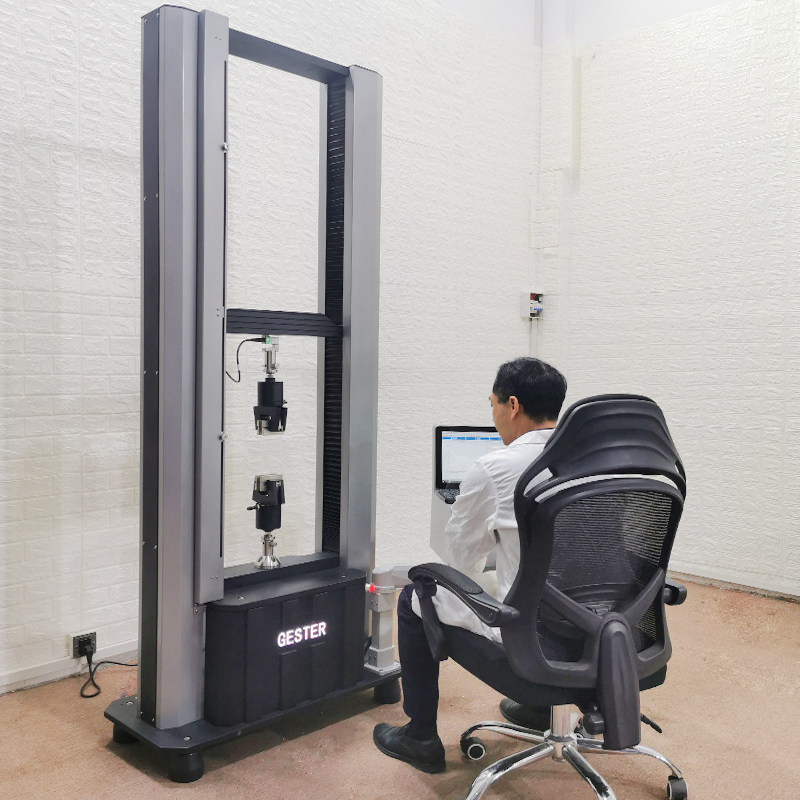
Is a Higher Force Value Better When Choosing a Tensile Testing Machine?

Is a Higher Force Value Better When Choosing a Tensile Testing Machine?

When purchasing a tensile testing machine, many people assume that a higher force value indicates better performance. However, this is not necessarily true. Selecting the right fabric tensile strength tester requires considering multiple factors, including testing requirements, material properties, and budget. This article delves into the key factors to consider when choosing a tensile testing machine to help you make a more informed decision.


Understand Your Testing Requirements


The first step in selecting a fabric tensile testing machine is to clearly understand your testing requirements. Different materials and products have different testing needs, so the choice of the machine should be based on these specific requirements. For example, tensile testing of metal materials typically requires higher force values, whereas testing flexible materials like plastics and rubber may require lower force values. Ensure that the force range of the machine can cover all the materials you need to test.

Material Properties and Testing Range


The force range of the fabric strength testing machine should match the properties of the materials being tested. High-strength materials may require higher force values, while lower-strength materials may not need such high values. Additionally, consider the material's ductility, fracture strength, and other characteristics. Choose a force range that aligns with these properties to ensure the accuracy and reliability of the test results.

Equipment Accuracy and Resolution


The accuracy and resolution of the equipment are crucial factors affecting test results. Even machines with the same force range can vary in accuracy and resolution. High-accuracy machines provide more precise test data, which is essential for materials science research and quality control. Therefore, prioritize equipment with higher accuracy and resolution when making your choice.

Testing Speed and Control System


Testing speed and the control system are also important factors to consider. Different testing standards may require different testing speeds, and some materials may yield different results at high speeds compared to low speeds. Advanced control systems offer more testing modes and data analysis functions, making the testing process more flexible and efficient.

Budget and Cost-Effectiveness


Budget is a crucial factor when selecting a fabric strength testing machine. Machines with higher force values are usually more expensive, so it's important to make a reasonable choice based on your actual needs and budget. Ensure that the machine meets your testing requirements while also offering good value for money. Additionally, consider maintenance and operating costs to avoid unnecessary expenses later.

Brand and After-Sales Service


Choosing a reputable brand ensures product quality and provides better after-sales service. Good after-sales service can offer timely technical support and repair services in case of equipment failure, ensuring smooth testing operations. Therefore, opt for brands with a good reputation in the industry and understand their after-sales service policies.

Comprehensive Evaluation


In conclusion, choosing a fabric strength tester is not just about higher force values but involves considering various factors such as testing requirements, material properties, equipment accuracy, testing speed, control system, budget, and brand reputation. Only by thoroughly understanding and evaluating these factors can you select the most suitable tensile testing machine, ensuring accurate and reliable test results.

As a crucial testing device, the selection of a tensile testing machine requires careful and comprehensive consideration. This article aims to help you make a wiser decision when purchasing a tensile testing machine. Whether for research or production, selecting the right tensile testing machine can effectively enhance work efficiency and test quality, providing robust support for your work.


GESTER is a renowned manufacturer specializing in physical testing equipment, known for its high-quality standards and excellent products. GESTER best fabric strength testing machine strictly adhere to international quality standards such as ISO, ASTM, and DIN, ensuring reliability and accuracy. They offer various testing modes and flexible configurations to meet different material and testing standards. Advanced control software and data analysis systems allow users to monitor the testing process in real-time and obtain precise data. Comprehensive after-sales services, including equipment installation, operation training, and technical support, ensure a smooth user experience and the normal operation of the equipment. With a broad user base and excellent reputation, GESTER continues to enhance product performance through technological innovation and customer feedback, making it the preferred brand for numerous companies and research institutions worldwide.


Whole Shoes Flexing Tester GT-KA01-2 The Professional Choice for Durability Testing

Whole Shoes Flexing Tester GT-KA01-2: 

The Professional Choice for Durability Testing


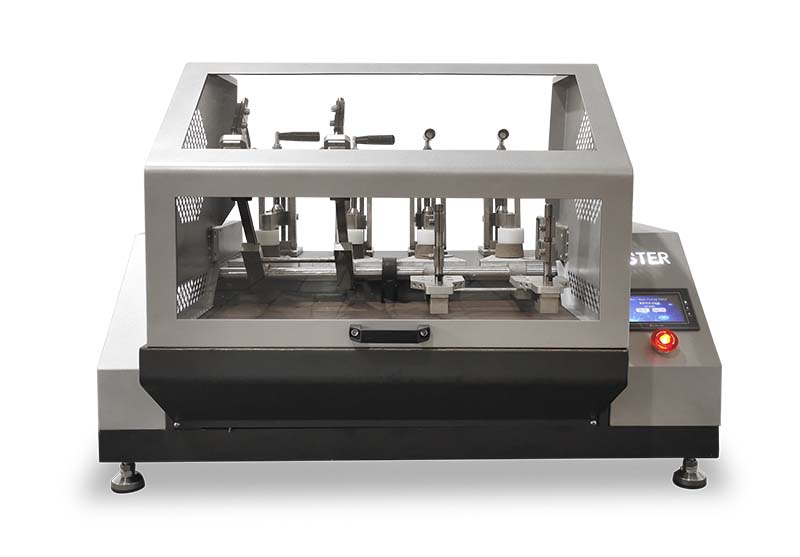
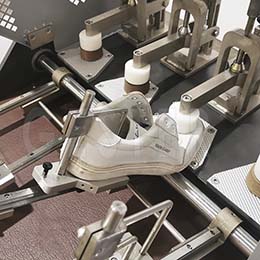
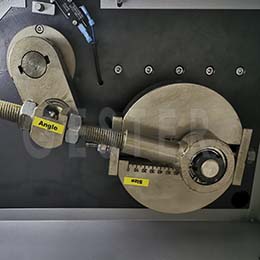
The shoe market is fiercely competitive, and consumers have ever-increasing demands for the quality of footwear products. To meet market demands and ensure product quality, shoe manufacturers and testing institutions rely on professional testing equipment. The Whole Shoes Flexing Tester GT-KA01-2 is an indispensable device in this regard. It can comprehensively test the flexing durability of finished shoes, such as sports shoes, casual shoes, and work shoes. The tester evaluates the shoe or sole's resistance to flexing and detects cracks through reciprocating flexing movements at specified angles and frequencies.


Features and Advantages


1. Safe Operation and Low Noise
The Flexing Machine GT-KA01-2 is equipped with an acrylic protective cover, ensuring operator safety during testing while effectively reducing noise. The protective cover not only prevents potential injuries during the testing process but also provides a quiet working environment, enhancing the overall operational experience.

2. Smooth Heel Fixture
The heel fixture utilizes a linear slide design to ensure smooth movement with minimal resistance during testing. This feature guarantees the accuracy and consistency of the tests, making each result highly reliable.

3. Freely Set Running Times
Users can freely set the running times, and the machine will automatically stop after the test is completed. This function not only increases testing flexibility but also saves labor costs. Users can adjust the testing times according to different types of footwear and testing requirements, obtaining the most realistic and representative data.

Applications and Real-World Cases


1. Durability Testing for Sports Shoes
Sports shoes need to withstand long periods of high-intensity activity, making durability testing particularly important. The Shoes Flexing Tester GT-KA01-2 can simulate actual bending conditions to evaluate the durability and crack resistance of sports shoes. After using the Whole Shoes Flexing Testing Equipment GT-KA01-2 for testing, a well-known sports brand optimized their product design, significantly extending the shoes' lifespan and enhancing customer satisfaction.

2. Safety Performance Testing for Work Shoes
Work shoes are typically used in high-intensity environments such as industrial and construction settings, where safety performance is critical. The Shoes Flexing Tester can test the long-term durability of work shoes, ensuring they maintain good performance under harsh conditions. After applying the SATRA TM92 Whole Shoe Flexing Tester GT-KA01-2 for testing, a factory discovered potential issues in their original design and made timely improvements, effectively preventing safety accidents.

3. Comfort Evaluation for Casual Shoes
For casual shoes, comfort is a key concern for consumers. The Flexing Machine's flexing test can evaluate the comfort and durability of shoes in daily use. A casual shoe brand optimized their sole materials and structural design based on Whole Shoes Flexing Tester GT-KA01-2 test data, significantly enhancing product comfort and earning widespread market praise.


User Reviews and Feedback


Many companies and testing institutions that have used the Whole Shoes Flexing Tester praise its performance. The head of a shoe testing center commented, "The Shoes Flexing Tester is not only easy to operate but also provides highly accurate test results, greatly improving our work efficiency." Another shoe manufacturer noted, "Since introducing the Whole Shoes Flexing Testing Equipment, our product quality has significantly improved, and customer feedback has been increasingly positive."

Future Prospects


With technological advancements and changing market demands, shoe testing equipment is continually being updated. The Whole Shoes Flexing Tester GT-KA01-2 will continue to play an important role in footwear quality testing. In the future, as new materials and processes emerge, the Flexing Machine will undergo corresponding technical upgrades to adapt to the ever-changing market needs.

The Whole Shoes Flexing Tester GT-KA01-2 is a professional testing device that combines safety, precision, and flexibility. Whether for sports shoes, work shoes, or casual shoes, it provides detailed and reliable test data, helping companies and testing institutions improve product quality and meet consumers' high standards. For any company committed to enhancing shoe quality, the Shoes Flexing Tester  is undoubtedly an ideal choice.

Why T6061-T6 Forged Wheels Are a Top Pick for Car Enthusiasts?

When upgrading vehicle wheels, car enthusiasts have tons of options—but T6061-T6 forged wheels always stand out. 


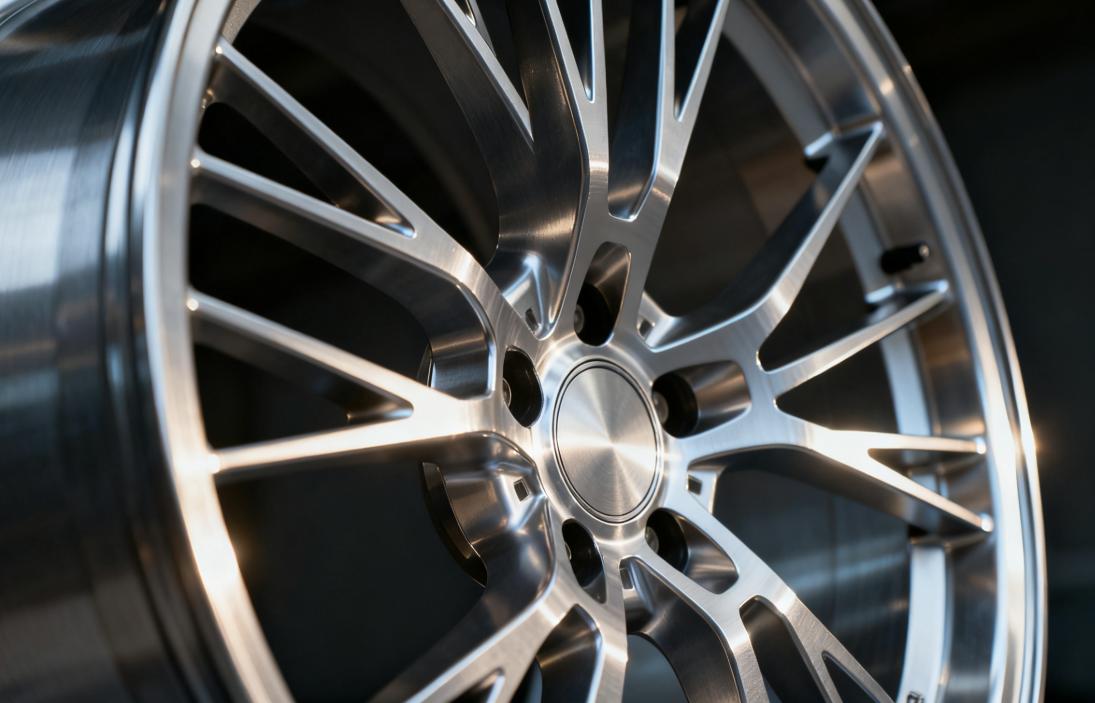
Here’s why: Unlike cast wheels, forged ones are made by pressing a solid metal block under extreme heat and pressure. This lines up the metal’s grain, making them super strong and durable. Up close, you can see the craft: smooth surfaces, sharp spokes, and a metallic shine that screams premium quality.


Concave forged wheels


Unlike cast wheels that crack easily under stress, these handle tough conditions—off-roading, highway speeds, you name it. Slap them on a sports car or SUV, and they don’t just look good—they make the ride smoother and more responsive too.


Another win? They balance performance and value. High-end forged wheels cost a fortune, but T6061-T6 versions give you quality without the sticker shock. They cut unsprung weight, improving handling, acceleration, and braking—key for any gearhead. They fit tons of vehicles: sports cars, SUV,racing car and so on. The forging process tells the durability story: heat an aluminum ingot, press it into a blank with thousands of tons of force. No air bubbles, aligned grain—way tougher than cast wheels.


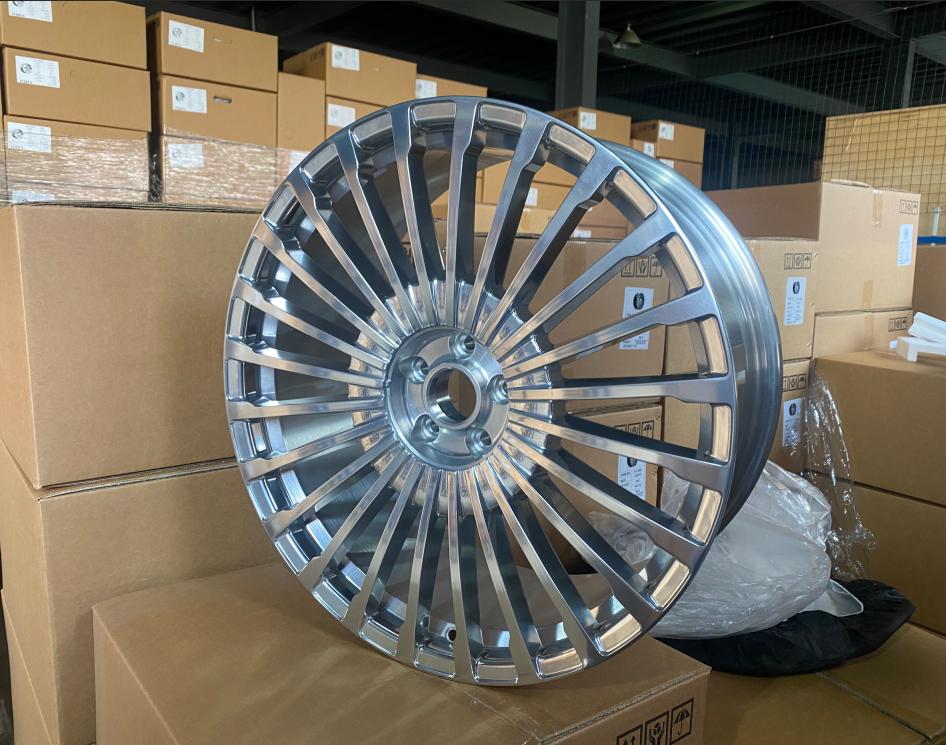
For bulk buyers, wholesale aluminum alloy forged wheels (including T6061-T6) are a no-brainer. Shops and retailers can stock up on quality wheels at good prices to meet demand. Whether you’re a hobbyist upgrading your ride or a pro outfitting a fleet, these wheels deliver performance and durability that stand out in the auto world. Consistent quality and broad fit make them go-to for style and substance.


T6061-T6 forged wheels win over enthusiasts because they’ve got it all—top-tier material, balanced performance, and accessibility. They check every box: strength for tough use, reliability for years, and value that won’t break the bank. Whether you love the sleek design, the solid manufacturing, or the better ride, these wheels aren’t just a trend—they’re a long-term investment in your vehicle’s performance and style.


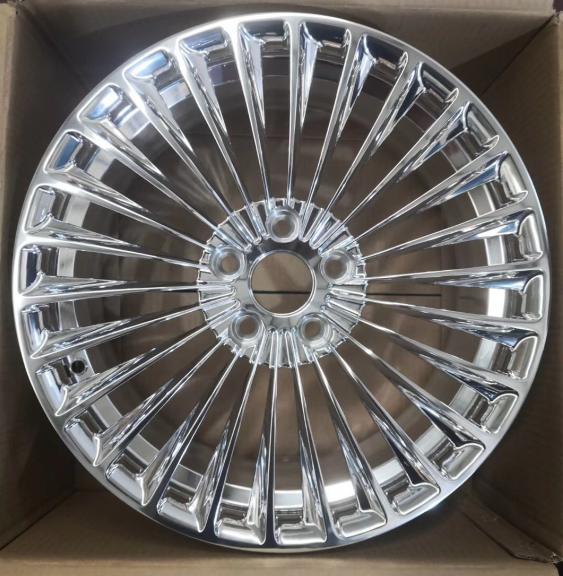
Chrome multi spokes wheel

5 holes 18 inch wheel

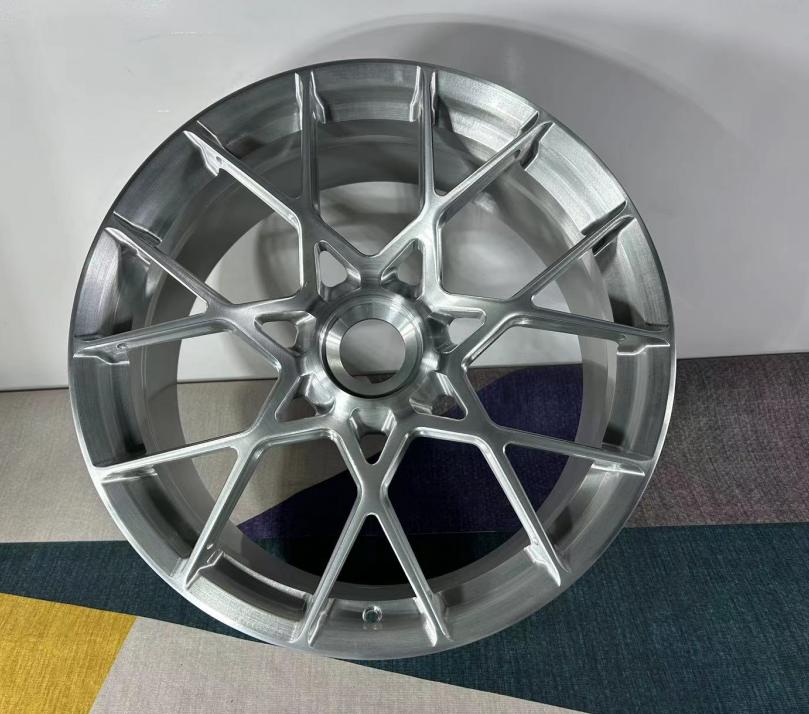
Brushed bc forged wheel


Precise Inspection, Efficient Production A Comprehensive Analysis of the Visual Inspection System for Gachn Group's Valve Bag Making Machines


In modern valve bag production, precise quality control and efficient production processes are crucial. As a leading global manufacturer of woven bag equipment, Gachn Group's visual inspection systems play an indispensable role in its valve bag making machines. This article will provide a detailed introduction to the technical details and advantages of Gachn Group's visual inspection systems.


I. Core Functions of the AI Visual Inspection System

Gachn Group's visual inspection system primarily includes the following modules:

1. Color Printing Inspection

Precisely measures the distance from the unwind to the needle roller (600mm) to ensure accurate print alignment.

A dual-roller design (upper roller 107mm, lower roller 73.5mm) ensures stable bag tension control.

A 500mm wide needle roller base provides ample clearance for the machine frame.


2. PP Woven Fabric Inspection

The inner side of the two side plates of the active bag-making roller are 800mm apart to ensure a smooth and wrinkle-free base fabric. The 114mm clearance above the bag prevents mechanical collisions and ensures continuous production.


3. Kick Waste Conveying Connection

The bag-discharging flat belt has a height of 104mm, perfectly aligning with subsequent conveying equipment.

The servo motor drives the finished product conveyor, providing fast response and precise control, improving overall efficiency.


II. Equipment Compatibility and Performance Parameters

Product Specifications: Supports valve bag production with widths of 40cm–65cm and heights of 120cm.

Operating Speed: 95–140 bags/minute, meeting high-speed production demands.

In-Machine Video Monitoring: Real-time recording of material flow at key workstations facilitates remote diagnosis and optimization.

Strong Brand Compatibility: This vision system is specifically designed to perfectly match not only Gachn's valve bag equipment, but also mainstream bag-making equipment from major brands on the market, including European, Chinese, and other brands, making it extremely convenient for upgrading your existing production lines.


III. Why Choose Gachn Group's Vision Inspection System?

High-Precision Measurement: All critical dimensions are monitored in real time by a vision system, ensuring that every bag meets standards.

Intelligent Rejection Mechanism: Defective products are automatically identified and rejected, significantly reducing manual re-inspection costs.

Modular Design: Flexible adjustment to production line layout supports future expansion and upgrades.

Data Visualization: All inspection data and images are uploaded in real time, supporting cloud-based analysis and report export.


IV. Gachn Group Vision

Gachn Group's vision inspection system not only enhances the automation level of valve bag making machines but also sets new industry standards in quality control, production efficiency, and equipment compatibility. Whether building a new production line or upgrading existing equipment, Gachn Group provides reliable vision inspection solutions.

Master SD Series Circulation Pumps – Setting a New Standard for HVAC Efficiency

In today’s modern HVAC systems, where energy efficiency and comfort are top priorities, circulation pumps play a critical role as the driving force of fluid dynamics. Shinhoo Master SD Series circulation pumps stand out with advanced intelligent control and exceptional energy performance, establishing themselves as the next-generation solution for efficient heating and cooling systems.


Intelligent Control for Quiet and Stable Operation

Equipped with adaptive algorithms, Master SD Series adjusts pump operation in real time through PWM signals. Multiple speed modes allow the pump to meet diverse system requirements for flow and head. Combined with a permanent magnet synchronous motor and low-noise design, the pump achieves highly efficient performance with a noise level as low as 42 dB(A), ensuring a quiet and comfortable environment.


Ultra-High Efficiency with Certified Energy Savings

Master SD Series achieves an outstanding EEI ≤ 0.20 (Part 2) energy efficiency rating, proudly carrying Europe’s Energy Efficiency Class A certification. Compared to conventional pumps, it reduces energy consumption by more than 20%. Featuring a full copper motor with Class H insulation, the pump is built for durability, high-temperature resistance, and reliable long-term operation even under continuous heavy loads.


Wide Compatibility Across HVAC Systems

Designed for versatility, Master SD Series supports CP/CS/PP operating modes, making it adaptable to underfloor heating, radiators, hot water circulation, and cooling systems. For more demanding or corrosive environments, an optional plastic pump body ensures rust-free performance and extended lifespan.


Smart Protection and Easy Monitoring

The pump integrates intelligent air venting and anti-blocking functions, automatically eliminating trapped air and preventing impeller jamming for uninterrupted operation. A clear display provides real-time data on flow and power, allowing users to monitor system performance at a glance and quickly identify any faults.


Robust Structure, Sustainable Design

Built with multiple layers of electrical and mechanical protection, Master SD Series maintains high reliability even in intensive operating conditions. Its anti-condensation design enhances adaptability in challenging environments. At the same time, the pump’s eco-conscious engineering aligns with modern sustainability goals.


Powering the Future of Efficient HVAC

With whisper-quiet operation, industry-leading efficiency, and intelligent system integration, Master SD Series redefines what circulation pumps can achieve. Whether in residential or commercial settings, it delivers consistent, reliable, and sustainable circulation power.

Mega S Pro Series — The Silent Power Driving the Future

As environmental policies tighten and high-demand applications expand, the market places greater emphasis on the comprehensive performance of pumps. Mega S Pro Series was developed to meet these challenges, delivering cutting-edge technology and sustainable design to provide silent, efficient, and reliable solutions for modern industrial fluid systems.


Innovative Design for Energy Efficiency

Equipped with ultra-high-efficiency motors, optimized hydraulic models, and advanced frequency control technology, Mega S Pro Series achieves an Energy Efficiency Index (EEI) of below 0.23 — setting a benchmark in the industry. Compared with traditional pumps, the series reduces overall energy consumption by 20% to 50%, significantly lowering electricity costs while promoting sustainable, low-carbon operations.


Reliability That Lasts

Built for long-term stability, Mega S Pro Series integrates 15 protection mechanisms within its control circuits. Core components undergo durability simulation testing and material reinforcement. The impeller is made of hydrolysis- and alcoholysis-resistant polymers, while the shield adopts 304 stainless steel, ensuring rust-free performance in high-temperature, high-humidity, and corrosive environments. This design reduces replacement frequency and minimizes lifecycle maintenance costs


Ultra-Quiet Operation — Noise <39 dB(A)

Through 3D flow channel simulation and low-vibration impeller design, Mega S Pro Series effectively suppresses hydraulic noise. At full load, the 200W model operates below 39 dB(A), while the 1800W model remains at just 56 dB(A) — equivalent to the silence of a library. This makes it an ideal choice for noise-sensitive environments such as hospitals, laboratories, and high-end manufacturing facilities.


Intelligent Control & User-Friendly Interface

Mega S Pro Series features a TFT LCD display with Chinese/English switching, multi-curve visualization, and real-time flow/head monitoring. With 12 control modes (including constant pressure, constant flow, temperature, and differential temperature) and three communication protocols (Modbus, CAN, LIN), the system enables dual-use heating/cooling, precise temperature regulation, and accurate flow control.


Technology That Creates Value

Mega S Pro Series is more than a pump — it represents a forward-looking response to the industry’s demand for reliability, sustainability, silence, and intelligence. By combining technological innovation with environmental responsibility, Shinhoo continues to deliver solutions that help global customers achieve higher performance and long-term value.

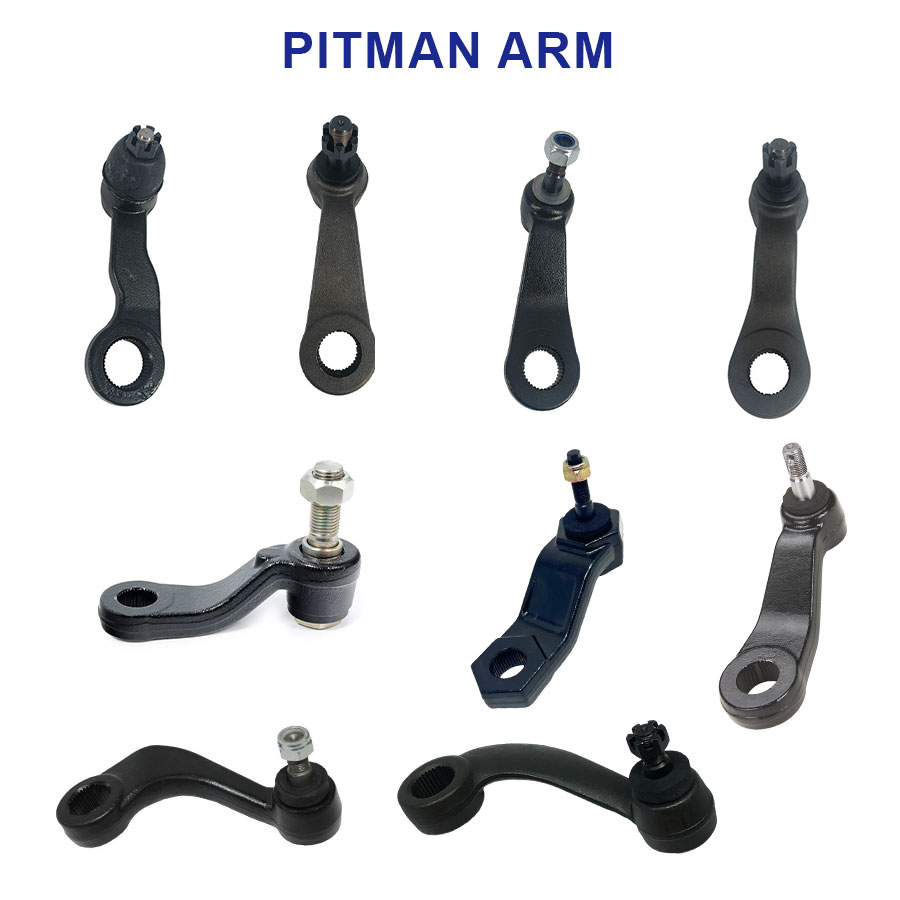
FENGYU Pitman Arms Top-Tier Steering Essentials for Global Vehicles

As a leading producer of automotive components with more than three decades of professional experience, FENGYU has established itself as a dependable provider of Pitman Arms, delivering accuracy and sturdiness to the worldwide aftermarket. Focusing on vital steering parts, we supply an extensive selection of Pitman Arms compatible with 90% of vehicle makes—covering Japanese brands (Honda, Nissan) and American models (Ford, Dodge, Chevrolet, GMC, Jeep). This positions us as the preferred source for Honda Pitman Arms, Nissan Pitman Arms, Ford Pitman Arms, Dodge Pitman Arms, GMC Pitman Arms, as well as specialized variants such as Ford F-150 Steering Pitman Arms, Chevrolet Silverado Pitman Arms, Honda Ridgeline Pitman Arms, Nissan Titan Steering Pitman Arms, Jeep Wrangler Front Pitman Arms, and Dodge Ram 1500 Pitman Arms.
factory-direct Pitman Arm supplier
Built for Toughness: High-Grade Materials & Exact Manufacturing
At FENGYU, every Pitman Arm is designed to serve as the cornerstone of a vehicle’s steering system, starting with superior-grade materials. Our Pitman Arms feature robust forged alloy steel bodies, engineered to handle the strong torque and pressure of steering actions—whether for a Ford F-150 engaged in towing, a Jeep Wrangler tackling off-road terrain, or a Honda Ridgeline used for daily commuting. The key connection points are machined with precise tolerances, enabling seamless integration with the steering linkage and eliminating looseness that leads to unsteady steering.
To boost longevity, each Pitman Arm is treated with a multi-layer anti-rust coating, protecting it from corrosion caused by road salt and moisture. We also equip our Pitman Arms with durable grease fittings (when suitable), allowing for straightforward maintenance to keep the component rotating smoothly—prolonging its service life even in severe weather conditions. Hardware such as mounting bolts is made from high-tensile steel, ensuring a firm fit that won’t come loose over time, whether it’s a Chevrolet Silverado Pitman Arm or a Nissan Titan Steering Pitman Arm.
Customized for Your Business: Flexible OEM/ODM Options
Recognizing the varied needs of aftermarket distributors, wholesalers, and importers, FENGYU provides customizable OEM/ODM services for Pitman Arms to assist you in building your brand. You can select finishes like black oxide (for a tough appearance) or zinc plating (for added anti-corrosion protection), add laser-engraved logos or part numbers for easy brand identification, or choose personalized packaging—from branded colored boxes to custom plastic bags that match your marketing plan.
With a low minimum order quantity (MOQ) of 100 units per model, we make it simple to stock both popular items and specialized options without the burden of heavy inventory. Whether you need to restock Ford Pitman Arms for pickup truck markets or source Jeep Wrangler Front Pitman Arms for off-road enthusiasts, our flexible ordering system ensures you receive exactly what you require. Additionally, our direct-from-factory pricing gives you competitive profit margins, helping you maintain an edge in the aftermarket.
Quality You Can Rely On: Strict Testing & International Certifications
Quality is non-negotiable at FENGYU, and every Pitman Arm goes through rigorous testing to meet or surpass original equipment (OE) standards. We begin with raw material inspections—to confirm the strength and durability of the alloy steel—then conduct in-process checks to ensure dimensional accuracy. Before shipping, each Pitman Arm is tested for torque resistance (to ensure it can handle steering force without bending), rotation smoothness (to avoid stiff steering), and corrosion resistance (to endure harsh environments).
Our dedication to quality is supported by IATF 16949 and ISO 9001 certifications, meaning every FENGYU Pitman Arm—whether a Dodge Ram 1500 Pitman Arm or a GMC Pitman Arm—complies with global quality standards. You can have confidence that our parts will perform as reliably as original components, keeping end-users safe on the road.
Backed by Expertise & Dependable After-Sales Support
We stand behind every Pitman Arm we manufacture with a solid warranty and responsive after-sales service. If you encounter any problems—whether a fit issue with a Honda Ridgeline Pitman Arm or a performance question about a Jeep Wrangler Front Pitman Arm—our team is ready to assist. Simply share photos or videos of the issue, and we will provide prompt solutions, including refunds or replacements in your next order.
With over 30 years of export experience, we understand the importance of timely delivery. Our ready inventory of more than 100,000 Pitman Arms (including best-selling models like Ford F-150 Steering Pitman Arms and Chevrolet Silverado Pitman Arms) ensures fast turnaround for urgent orders, while custom OEM/ODM orders are completed within 30–45 days—keeping your inventory moving and your customers happy.
Partner with FENGYU for Steering Excellence
Whether you need to stock Honda Pitman Arms for sedans, Dodge Ram 1500 Pitman Arms for trucks, or Jeep Wrangler Front Pitman Arms for off-road vehicles, FENGYU combines quality, flexibility, and expertise to support your business. We don’t just supply parts—we build long-term partnerships, offering professional guidance to help you curate a product range that meets the unique needs of your market.
Looking for a trusted Pitman Arm supplier? Get in touch with the FENGYU team today to explore our full range, discuss customization options, and grow your business with parts that keep vehicles steering smoothly and safely.