Screw Chillers Efficient Industrial Cooling Solutions for Modern Businesses

Introduction
In today's fast-paced industrial landscape, maintaining optimal temperature control is crucial for the smooth operation of various manufacturing processes, data centers, and commercial facilities. Screw chillers have emerged as a leading solution for reliable and energy-efficient cooling, offering robust performance and adaptability to diverse cooling demands. This article explores the working principles, key advantages, applications, and selection criteria of screw chillers, helping businesses make informed decisions for their cooling systems.
What Are Screw Chillers?
A screw chiller is a type of industrial refrigeration system that uses a screw compressor to cool and circulate refrigerant, providing chilled water or air to maintain the desired temperature in a facility. The core component is the twin-screw compressor, which consists of two intermeshing helical rotors (a male rotor with convex threads and a female rotor with concave threads). These rotors compress the refrigerant vapor, raising its pressure and temperature, which is then condensed into a liquid in the condenser. The liquid refrigerant is expanded through an expansion valve, cooling it down before entering the evaporator, where it absorbs heat from the environment, completing the refrigeration cycle.
Key Components
  • Screw Compressor: The heart of the chiller, responsible for compressing the refrigerant.
  • Condenser: Converts high-pressure, high-temperature refrigerant vapor into a liquid by releasing heat.
  • Evaporator: Absorbs heat from the process or environment, vaporizing the liquid refrigerant.
  • Expansion Valve: Reduces the pressure of the liquid refrigerant, enabling it to evaporate at a lower temperature.
  • Control System: Monitors and regulates the chiller's operation, ensuring optimal performance and energy efficiency.
Advantages of Screw Chillers
1. High Energy Efficiency
Screw chillers are renowned for their energy-saving capabilities, especially in partial-load conditions. The twin-screw compressors feature variable capacity control, allowing the chiller to adjust its output according to the actual cooling demand. This reduces energy consumption significantly compared to older reciprocating compressors. Many modern screw chillers come with advanced technologies like variable frequency drives (VFDs), which further optimize energy use by adjusting the compressor speed to match the load, leading to lower electricity bills and a reduced carbon footprint.
2. Reliable and Durable Performance
The simple design of screw compressors, with fewer moving parts compared to reciprocating compressors, minimizes wear and tear, resulting in a longer operational life. The robust construction and high-quality materials used in manufacturing ensure that screw chillers can withstand harsh industrial environments, including high temperatures, dust, and vibrations. Additionally, their modular design allows for easy maintenance and repair, reducing downtime and operational costs.
3. High Cooling Capacity
Screw chillers are available in a wide range of cooling capacities, typically ranging from 50 to 2000 tons or more, making them suitable for both small-scale commercial applications and large industrial plants. Their ability to handle high cooling loads efficiently makes them an ideal choice for industries requiring consistent and reliable temperature control, such as chemical processing, food and beverage production, and metalworking.
4. Quiet Operation
The smooth operation of twin-screw compressors generates less noise compared to reciprocating or centrifugal compressors. This is particularly important in commercial settings or residential areas where noise pollution is a concern, ensuring that the chiller can operate without disturbing the surrounding environment.
5. Adaptability to Various Refrigerants
Screw chillers can be designed to work with different types of refrigerants, including traditional ones like R-134a and newer, more environmentally friendly options such as R-32 and R-410A. This flexibility allows businesses to comply with international refrigerant regulations and choose the most suitable option based on their specific needs and environmental goals.
Applications of Screw Chillers
Industrial Cooling
  • Manufacturing Plants: Screw chillers are used to cool machinery, tools, and processes in industries such as plastics, textiles, and electronics. For example, in plastic injection molding, precise temperature control is essential to ensure the quality of the final product, and screw chillers provide the consistent cooling required.
  • Chemical and Petrochemical Industries: These industries require cooling for reactors, distillation columns, and other process equipment to maintain safe and efficient operations. Screw chillers can handle the high heat loads generated in these processes and operate reliably in corrosive environments when equipped with appropriate materials.
  • Food and Beverage Production: From cooling storage facilities to pasteurization and bottling processes, screw chillers help maintain the freshness and quality of food products by providing stable temperature control.
Commercial and Institutional Settings
  • Data Centers: Data centers generate a significant amount of heat from servers and IT equipment, which needs to be efficiently removed to prevent overheating and ensure uninterrupted operation. Screw chillers, with their high cooling capacity and energy efficiency, are an excellent choice for large-scale data centers.
  • HVAC Systems in Buildings: Screw chillers are used in central air conditioning systems for commercial buildings, shopping malls, and hospitals to provide chilled water for air handling units, ensuring comfortable indoor temperatures for occupants.
  • Hotels and Resorts: These establishments rely on screw chillers to cool their swimming pools, spas, and large indoor spaces, providing a pleasant environment for guests.
How to Choose the Right Screw Chiller
1. Cooling Capacity Requirements
Determine the required cooling capacity (measured in tons or kW) by assessing the heat load of your facility, including heat generated by equipment, processes, and the environment. It's important to choose a chiller that can meet both the peak load and typical partial-load conditions efficiently.
2. Energy Efficiency Ratings
Look for chillers with high energy efficiency ratios (EER) and integrated part-load values (IPLV), as these metrics indicate better energy performance, especially in partial-load scenarios, which are common in many applications. Chillers with VFDs and advanced control systems often have higher IPLV ratings.
3. Refrigerant Type
Consider the available refrigerant options and choose one that complies with local and international regulations, such as the Montreal Protocol and EU F-Gas regulations. Also, consider the environmental impact, energy efficiency, and safety of the refrigerant.
4. Space and Installation Requirements
Evaluate the available space for installing the chiller, including the footprint, height, and access for maintenance. Some screw chillers are designed for outdoor installation, while others are suitable for indoor use. Additionally, consider the noise level if the chiller will be installed near occupied areas.
5. Maintenance and Serviceability
Choose a chiller from a reputable manufacturer that offers good after-sales service and has a network of trained technicians. Look for chillers with easy-to-access components and modular designs that facilitate routine maintenance and repairs.
6. Cost Considerations
While the initial cost of a screw chiller is an important factor, it's essential to consider the total cost of ownership, including energy consumption, maintenance, and potential repair costs over the chiller's lifespan. A more energy-efficient chiller may have a higher upfront cost but can save significant amounts on electricity bills in the long run.
Conclusion
Screw chillers are a versatile and efficient cooling solution for a wide range of industrial, commercial, and institutional applications. Their high energy efficiency, reliable performance, and adaptability make them an excellent investment for businesses looking to maintain optimal temperature control while reducing operational costs and environmental impact. By understanding the working principles, advantages, and selection criteria of screw chillers, businesses can make informed decisions to choose the right system that meets their specific cooling needs.
For more information on selecting and maintaining screw chillers, or to explore our range of high-quality industrial cooling solutions, contact us today. Our team of experts is ready to help you find the perfect cooling system for your business.
Master SD Series Engineering the Future of Circulation Efficiency

In a world increasingly focused on energy savings, system intelligence, and carbon reduction, pump technology must evolve accordingly. At Shinhoo, innovation is our foundation—and Master SD Series stands as our latest advancement in circulation systems.

Designed for high-efficiency, low-noise, and digitally controlled performance, Master SD represents a leap forward in how we approach HVAC, heat pumps, and solar applications.Built on decades of R&D and engineering experience, Master SD Series combines advanced motor efficiency, intelligent control, and structural durability, making it one of the most comprehensive solutions for residential and light commercial circulation applications.


Redefining Circulation with Technology-Driven Efficiency

At the heart of Master SD lies a neodymium magnet rotor, enabling up to 30% greater motor efficiency than traditional asynchronous models. Complementing this hardware is Shinhoo’s self-developed digital PCB control platform, capable of real-time response and system-level optimization, delivering up to 45% improvement in operational performance.

To further optimize energy use, the pump’s hydraulic system is engineered with CAE (Computer-Aided Engineering) simulation, achieving a remarkable 64% gain in fluid efficiency while minimizing noise and turbulence.


Smart Control. Silent Operation. Stronger System Integration.

Master SD is equipped with 12 built-in control modes, including auto-adaptive operation, PWM, constant pressure, and proportional flow modes—allowing it to seamlessly integrate with various heating, cooling, solar, and heat pump configurations.

With a noise level as low as 42 dB(A) and real-time display of power and flow, the unit delivers performance that is both intelligent and silent — ideal for today’s smart and space-conscious homes.


Built for Extreme Environments

Recognizing the diverse climates and challenging installations faced by modern systems, Master SD features:

Anti-condensation structure and thermal insulation plate to prevent internal moisture buildup

Non-corrosive polymer hydraulic components, validated by 2,000-hour salt spray and 5,000 test cycles

Protection ratings up to IPX5, making it suitable for rooftops, coastal regions, and high-humidity installations


Proven Reliability, Internationally Validated

Every pump undergoes over three months reliability testing protocol, consisting of 35 critical evaluations in CNAS-certified laboratories and in partnership with TÜV standards.

These tests include thermal cycling, durability under load, electrical safety, vibration resistance, and environmental stress testing—ensuring 100% quality assurance prior to market release.

With its compact design, ultra-low power consumption (as low as 5W), and high adaptability, Master SD is the ideal pump for new builds, retrofits, and sustainable construction projects worldwide.


Swimming Pool Pump Smart, Efficient & Durable Filtration

A crystal-clear pool starts with a high-performance circulation system. Shinhoo Swimming Pool Pump with Frequency Converter redefines reliability and efficiency, combining cutting-edge technology with rugged engineering to deliver unmatched performance in any environment.


 Why Choose a Digital Pool Pump?  

As a variable speed pool pump, Shinhoo’s digitally controlled motor adjusts flow rates intelligently, optimizing energy use without compromising filtration. Unlike single-speed pumps, it reduces power consumption by up to 30%, making it a truly energy-efficient pool pump that cuts operational costs while maintaining pristine water quality.  


 Built for Extreme Conditions  

Fortress-Grade Protection (IP55) – Resists salt spray, heavy rain, and UV damage, ensuring longevity even in coastal or rooftop installations.  

Non-Corrosive Polymer Flow Path – Passes 2,000h salt spray and 5,000 chemical cycle tests, eliminating rust risks for safer water.  

10,000-Hour Mechanical Seal – Silicon carbide sealing ensures leak-free durability, 5x more wear-resistant than standard seals.  

 Engineered for Convenience  

3L High-Capacity Filter – Captures debris down to 75μm, reducing cleaning frequency by 50%.  

2.5m Self-Priming & Quick-Install Design – Adapts to underground or rooftop pools with minimal setup effort.  


 The Future of Pool Maintenance  

Shinhoo’s digital pool pump integrates smart speed adjustments, corrosion-proof materials, and effortless maintenance—delivering decade-long reliability with 30% lower energy costs.  

Upgrade to precision. Experience the Shinhoo difference.  


Instant Hot Water, Smarter Performance Shinhoo Instant Pro 15-1.5

In the world of modern plumbing and home comfort, convenience and energy efficiency no longer need to be a trade-off. With the launch of  Instant Pro 15-1.5, Shinhoo redefines domestic hot water circulation — bringing instant hot water, lower heat loss, and intelligent control into a compact, reliable package.

Why Choose Instant Pro?

Instant Pro 15-1.5 is a microcirculation pump tailored for residential hot water systems. It addresses a common pain point: long wait times for hot water at the tap — while significantly reducing energy waste from constant heating.

  • Instant hot water availability
  • Ultra-quiet operation (<25 dB(A))
  • Reduces heat loss by up to 60%
  • Engineered for 24/7 continuous operation
  • Compact & integrated design for easy installation
  • Smart, Adaptive Control

Every household has different usage patterns — the Instant Pro adapts with three intelligent operating modes

  • Constant Speed Mode (CS) – Stable and straightforward
  • Auto Adapt Mode (A) – Automatically adjusts to usage patterns
  • Temperature & Timer Control (TC) – Maximizes comfort while minimizing consumption

The intuitive digital display provides real-time feedback on power and operation time. A power-off memory function ensures your settings stay intact, even in case of outages.

  • Built for Real-Life Reliability
  • Shinhoo designs with longevity and compatibility in mind:
  • Integrated thermal insulation
  • Multiple protection features
  • Broad brand compatibility for seamless integration with most domestic hot water systems

Whether you're upgrading an existing circulation system or planning a new energy-efficient build, the Instant Pro offers a plug-and-play solution that combines high performance with low maintenance.


Pool Pump Exceptional Technology for Lasting Clarity

When it comes to crystal-clear pool water, the foundation lies in a powerful, durable, and reliable core—your pool pump. In the face of extreme weather and harsh environments, only a pump engineered for resilience, stability, and long operational life can ensure consistently clean and sparkling water.

Shinhoo pool pumps are built to meet the toughest challenges with advanced engineering and comprehensive protection. They deliver long-lasting, efficient performance powered by multiple innovations:

Comprehensive Protection System (IP55 Rating + Integrated Protective Armor)

IP55 Protection Grade: Fully enclosed motor components offer superior dust resistance and can withstand high-pressure water jets from any direction. The system is designed to resist salt spray, heavy rainfall, and windblown sand—making it ideal for both indoor and outdoor pool environments.

Integrated Protective Housing: Built from high-strength engineering plastics, this physical armor absorbs shocks from tools or falling debris and blocks UV-induced aging. With dual-layer protection, the pump’s service life is extended by over 3X compared to industry norms.

Corrosion-Resistant Hydraulic Core (All-Plastic Composite Hydraulics)

Full Flow Path with No Metal Contact: Designed for diverse pool water chemistry—including acidic, alkaline, or high mineral content—our hydraulic system uses advanced polymer composites to prevent corrosion.

Certified Durability: Materials have passed 2,000-hour salt spray testing and 5,000-cycle corrosion simulations, resisting oxidation from sodium hypochlorite and other pool sanitizers. This ensures clean water with purity levels approaching drinking water standards.


Long-Life Mechanical Seal (SiC Dual-Face)

Ultra-Durable Carbon Silicon Seal: Featuring wear-resistant silicon carbide with Mohs hardness of 9.5, our seal system lasts 5X longer than conventional designs.

Leak-Free Operation: A patented self-compensating spring mechanism and unique lubrication groove allow for 10,000+ hours of continuous operation without leakage—ideal for high-demand applications.


100% Copper Motor Windings

High Conductivity & Efficiency: Copper windings deliver 40% better conductivity than aluminum, resulting in 25°C lower temperature rise and 30% reduced energy loss.

Vacuum Impregnation & F-Class Insulation: Ensures durability under extreme temperatures (-20°C to 60°C), enhancing pump longevity and operational stability.


High-Capacity, Fine Mesh Filter Basket

Efficient Debris Capture: Effectively traps leaves, hair, and other large debris while the 200-mesh polyester filter captures micro-particles and algae spores.

60% Larger Volume: Holds up to 3 liters of debris, reducing cleaning frequency by half compared to traditional designs.

Hygienic & Easy Maintenance: Quick-release assembly and anti-overflow design ensure fast, clean servicing—no mess, no contamination.


Intelligent Installation System (2.5m Vertical Suction + Ergonomic Design)

Vertical Self-Priming up to 2.5m: Our smart gas-liquid separation technology allows the pump to draw water from vertical distances, enabling installation above water level—ideal for rooftop, basement, or split-level pools.

Ergonomic Mobility: The integrated modular handle is engineered for optimal weight distribution, enabling single-person transport and precise installation. This boosts installation efficiency by 60%, while reducing labor and safety risks.

Shinhoo Mega Series High-Efficiency Pumps Built for the Future

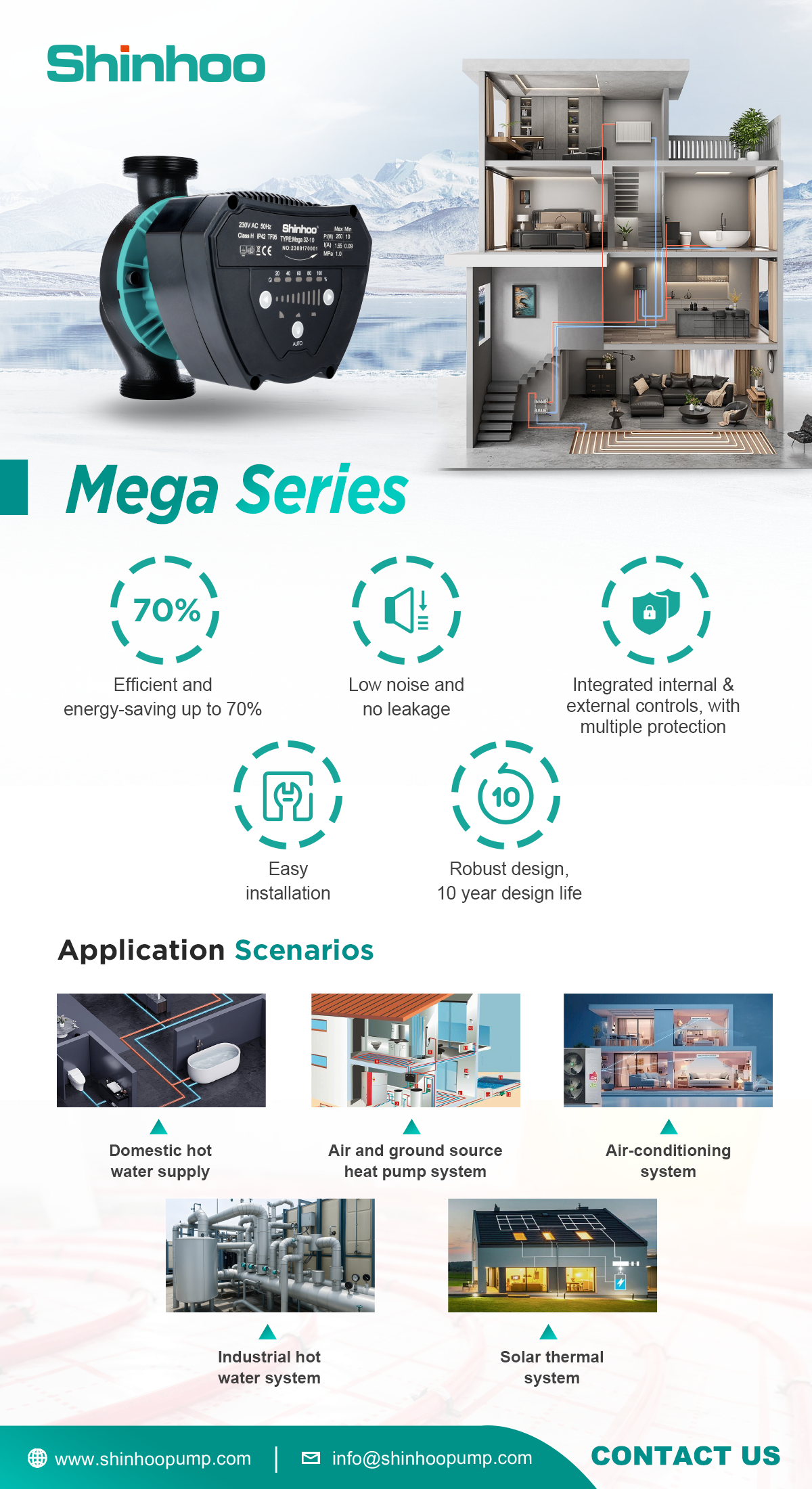
In today’s energy-conscious world, every component in a heating or water circulation system plays a crucial role in overall performance. At Shinhoo, we are proud to introduce our Mega Series, a new generation of high-efficiency circulation pumps engineered to meet the demands of both residential and industrial users.


Engineered for Performance and Efficiency

Mega Series combines cutting-edge design with intelligent control systems to deliver optimal performance in all applications. With an impressive energy-saving rate of up to 70%, these pumps offer not only cost savings but also a reduced carbon footprint — making them a smart choice for eco-conscious projects.

70% Energy Saving: Advanced motor and hydraulic design significantly reduce power consumption.

Low Noise & No Leakage: Designed for quiet operation and high reliability, ensuring comfort and safety.

Smart Control: Integrated internal and external controls provide flexible operation and multi-level protection.

Easy Installation: Compact design and thoughtful engineering make on-site installation simple and quick.

Long Lifespan: With a robust structure and a 10-year design life, the Mega Series is built to last.

Versatile Application Scenarios

Mega Series isn’t limited to just one type of system — it’s a versatile solution for various needs:

Domestic Hot Water Supply

Air and Ground Source Heat Pump Systems

Air-Conditioning Circuits

Industrial Hot Water Applications

Solar Thermal Systems

Whether it's heating a single-family home or supplying hot water to an industrial facility, Mega Series delivers performance and durability you can rely on.


 Designed for the Global Market

Backed by Shinhoo’s decades of expertise in fluid technology, the Mega Series is ready to meet the heating and circulation needs of projects around the world. From residential energy upgrades to next-generation HVAC systems, it’s the pump of choice for engineers, installers, and system integrators alike.

Shinhoo Mega Series


Application and Use of Taber Tester in the Textile Industry

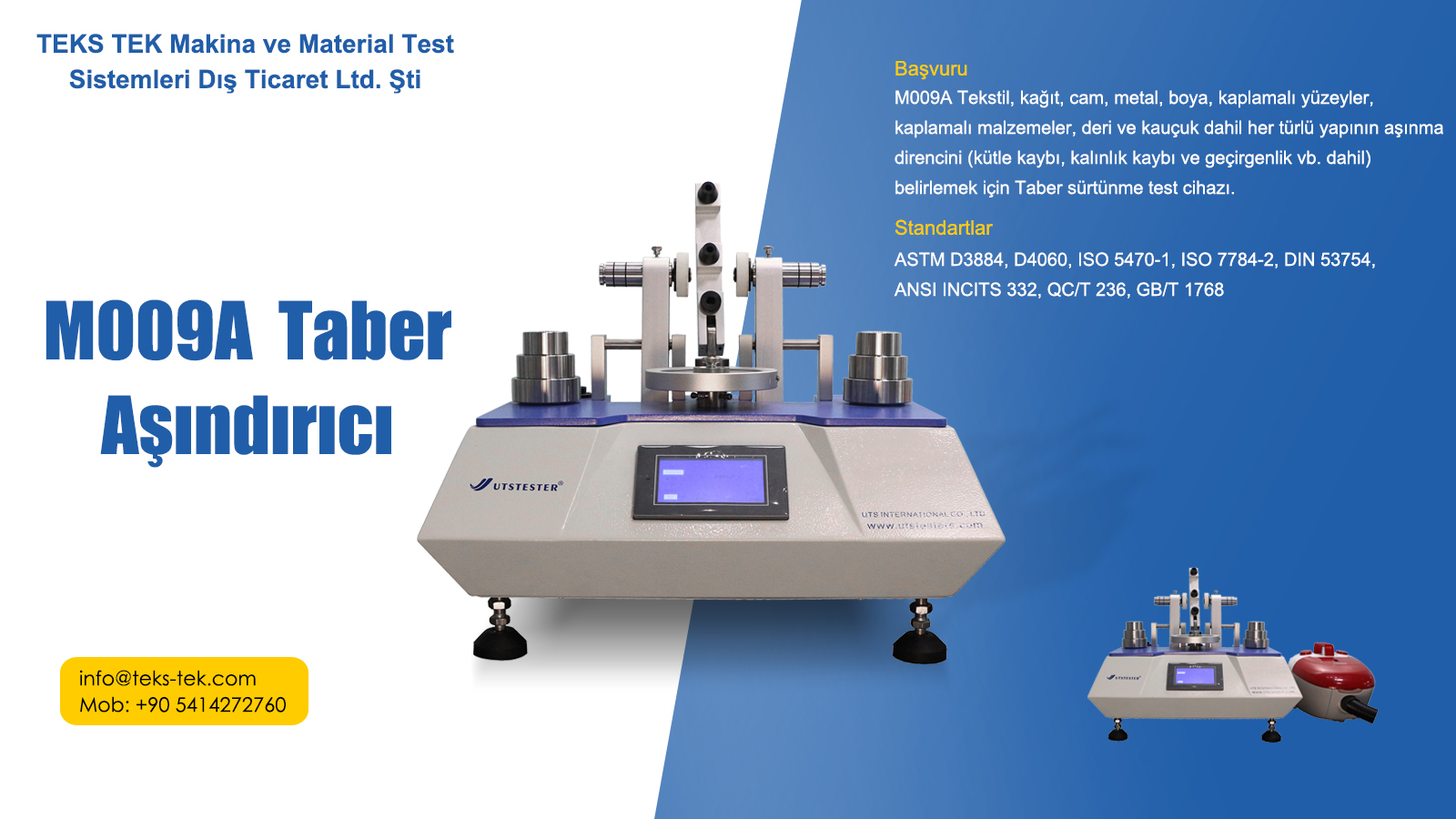
Taber Tester (Taber Abrasion Tester) is a key testing equipment widely used in the textile industry, mainly used to evaluate the abrasion resistance, pilling resistance and surface durability of fabrics. Its precise quantitative testing capability provides an important basis for textile quality control, product development and industry standard certification. The following are the main uses of Taber Tester in the textile industry:


1. Evaluate the wear resistance of fabrics

(1) Simulate real wear environment

The Taber tester simulates the wear of fabrics in daily wear, washing, friction and other environments by rotating friction.

It is suitable for all kinds of textiles, such as clothing fabrics (cotton, polyester, wool, etc.), home textiles (sheets, sofa covers), industrial fabrics (tents, canvas), etc.

(2) Quantifying the wear resistance level

The wear resistance level of the fabric is determined by calculating the mass loss (unit: mg) after a certain number of friction cycles or observing the degree of surface wear.

For example:

Highly wear-resistant fabrics (such as work clothes and military uniforms) need to withstand a higher number of cycles (such as 10,000 times) without obvious wear.

Low wear-resistant fabrics (such as silk and lace) may be significantly damaged after 1,000 friction cycles.


2. Test the anti-pilling performance

(1) Evaluate the changes in the fabric surface

During the friction process, the fabric surface may form pilling due to fiber breakage and entanglement, affecting the appearance and feel.

The Taber tester can be combined with standard ratings (such as ISO 12945-2, ASTM D4970) for anti-pilling testing.

(2) Optimize the textile process

Optimize product design by comparing the test results of different fiber compositions, weaving methods or finishing processes (such as anti-pilling additive treatment).


3. Testing the durability of special textiles

(1) Automotive interior materials

Seat fabrics, seat belts, car roofs, etc. need to withstand long-term friction. Taber testers can simulate the wear and tear after long-term use.

(2) Protective clothing and functional textiles

Fire suits, medical protective clothing, etc. need to maintain durability in extreme environments. Testing their wear resistance can ensure their service life.

(3) Carpets and decorative fabrics

Evaluate the degree of wear of carpets after long-term trampling and optimize fiber selection (such as nylon vs. polypropylene).


4. Comply with international testing standards

Taber testers are widely used in textile testing laboratories around the world and comply with many international standards, such as:

ASTM D3884 (Textile Abrasion Resistance Test)

ISO 5470-1 (Coated Fabric Abrasion Resistance)

GB/T 21196 (Chinese Textile Abrasion Resistance Standard)


5. Optimize production process and cost control

Material screening: Select the most cost-effective raw materials by comparing the wear resistance data of different fabrics.

Process improvement: such as adjusting yarn density and finishing process (such as resin treatment) to improve wear resistance.

Reduce return rate: Ensure that products meet industry standards and reduce customer complaints caused by quality problems.


Conclusion

The application of Taber tester in the textile industry covers abrasion resistance testing, anti-pilling evaluation, durability analysis of special textiles and other aspects, providing a scientific basis for product quality control, R&D optimization and industry certification. Its precise testing methods and wide standard applicability make it an indispensable equipment for textile enterprises, testing institutions and R&D centers.

With the data support of Taber tester, textile enterprises can improve product competitiveness, reduce quality risks and meet the needs of different markets.

Email: hello@utstesters.com

Direct: + 86 152 6060 5085

Tel: +86-596-7686689

Web: www.utstesters.com

AI revolution in the plastic woven valve bag industry How AI visual inspection equipment reshapes the production landscape

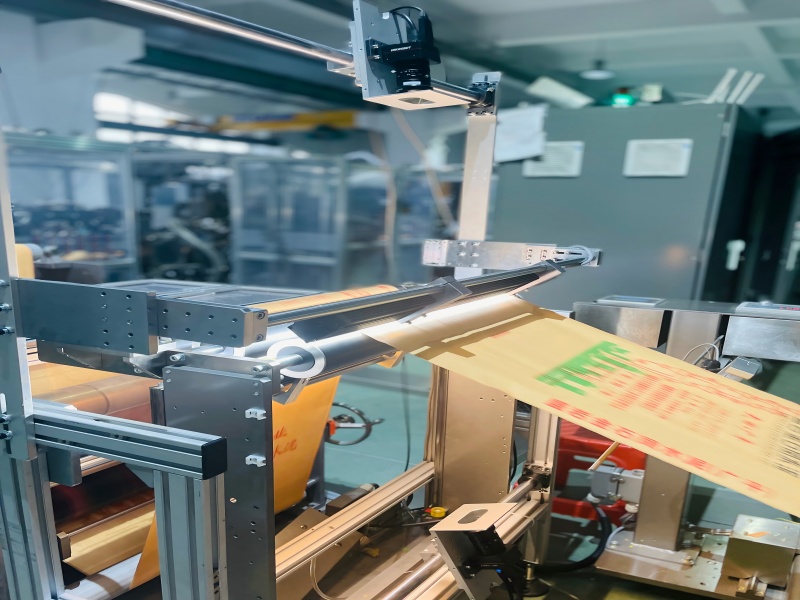
In the plastic woven valve bag production workshop, there used to be the tedious and inefficient manual bag picking - workers stared at the bags on the assembly line day after day, trying to find holes, joints or bottom sticker deviation defects from the fast-moving cloth rolls, but fatigue always led to missed inspections, and high labor costs and unstable product quality became stumbling blocks to the development of enterprises. Today, the emergence of Gachn AI visual inspection system is bringing disruptive changes to this traditional industry with its "eagle eyes and golden eyes" precision and efficiency.


AI Vision Inspection System VS-Ⅲ for valve bag machine


Why must plastic woven valve bag companies embrace AI visual inspection?

The pain points of the traditional production model have long become an industry consensus. Raw material cloth rolls often have problems such as scratches, holes, and deviations of the warp and weft lines. Manual bag picking not only requires 4-5 workers per production line, but also is affected by emotions and fatigue, and the missed inspection rate remains high, resulting in an excessive scrap rate of finished bags. What's more difficult is that the current situation of difficulty in recruiting workers and rising labor costs year by year has put companies in a dilemma of "wanting to expand production but not being able to support workers."


The birth of the Gachn AI visual inspection system is precisely to solve these problems. As the core technological achievement of Gachn Jeenar this system realizes the full process intelligence from raw material detection to finished bag defect recognition through the combination of high-definition cameras and deep learning algorithms.


Gachn AI visual inspection system: more than "seeing", more about "understanding"

Understanding ordinary visual equipment,Gachn AI visual inspection system , has real "intelligent judgment" capabilities. It can accurately capture two types of key defects:

Raw material defects: including holes, joints, warp and weft offsets, abnormal scratches, etc. in the cloth roll, blocking the generation of waste from the source;

Bag making process defects: such as skewed corners of finished bags, no bottom stickers, bottom sticker folds, poor overlap, etc., to ensure zero defects in factory products. The "cleverness" of this system lies in its adaptive learning ability. When changing the production version, the equipment can automatically identify the inspection standards of the new specification bags without manual re-adjustment, which does not affect the normal production rhythm at all. The 0.05% rejection rate is far beyond the limit of manual inspection, making product quality stable at a new level.


Real benefits: money is saved and efficiency is improved

The practice of a cement valve bag enterprise in Anhui is the most convincing: after the introduction of the collection system, the number of workers on a single production line was reduced from 5 to 2, saving more than 200,000 yuan in labor costs each year; the reduction in material waste has reduced the cost of raw materials by 15%, and the scrap rate has dropped from 1% to below 0.1%, and the overall benefits have been significantly improved.


These achievements are derived from the four core advantages of the system:

Cost reduction: a single production line reduces 1-2 bag picking workers, and with the technology of single-side lamination and reduced overlap width, the annual cost savings can reach hundreds of thousands;

Efficiency improvement: a stable speed of 120-130 bags/minute, 7×24 hours of continuous operation, so that the production capacity can be easily increased by 30%;

Quality preservation: a scrap rate of less than 0.1% helps the company establish a "high quality" reputation in the fierce competition;

Intelligence: the one-key number change function realizes fast specification switching, and the electric control system with free upgrades within 3 years makes the equipment never outdated.


From detection to management: data-driven production upgrade

The value of Gachn AI visual inspection system is not limited to eliminating waste. The system automatically records all defect data, generates defect classification and proportion reports, and provides enterprises with clear quality improvement directions. For example, when the proportion of "bottom sticker offset" defects increases, managers can quickly trace back to the parameter deviation of the heat sealing process, realizing the transformation from "passive quality inspection" to "active optimization".

This digital management capability allows enterprise decision makers to gain insight into production bottlenecks through data and gradually build a "zero defect" production system. As a customer in Fujian reported: "After installing the system, we can clearly explain the distribution of defect types in each shift for the first time, and process improvement has a clear goal."


Choose Gachn AI visual inspection system , choose peace of mind: not only equipment, but also a long-term partner

Gachn provides customers with full life cycle protection: 1-3 days of fast installation cycle does not delay production, on-site training ensures that workers can quickly get started, and the free upgrade of the electronic control system within three years keeps the technology up to date. At present, this set of equipment has been adapted to all imported and domestic plastic woven valve bag bag making machine models, and is running stably on the production lines of customers in Anhui, Jiangxi, Fujian, Guangxi and other places. When AI visual inspection becomes the industry standard, choosing Gachn group means choosing lower costs, higher efficiency and more stable quality. In the wave of intelligent transformation of the plastic woven valve bag industry, early layout can seize the market opportunity early - after all, in the competition where quality and cost determine the outcome, the difference of 0.05% missed inspection rate may be the life and death line between enterprises.


Cooling Redefined The Secrets Behind Air-Cooled Scroll Chillers' Speed

How Fast Can an Air-Cooled Scroll Chiller Cool? Air-cooled scroll chillers have become a go-to choice for commercial and industrial cooling applications thanks to their compact size, low noise, and high efficiency. But when it comes to cooling speed—how fast do they really work?
The answer depends on three key factors: Unlocking Cooling Speed: How Air-Cooled Scroll Chillers Deliver Results.

air-cooled scroll chiller fast cooling HVAC system


1. Design Matters: Single-Stage vs. Two-Stage Cooling

Cooling speed begins with design. Air-cooled scroll chillers typically come in single-stage or two-stage configurations. Two-stage units naturally offering enhanced cooling efficiency and faster results due to better refrigerant compression dynamics.
Moreover, state-of-the-art heat exchangers and optimized refrigerant circulation systems ensure seamless operation. When designed with precision, these systems achieve quicker cooling without compromising energy efficiency, making them ideal for high-demand environments.

2. Intelligent Features for Performance Boost

Modern air-cooled scroll chillers are equipped with smart control panels for precise temperature regulation and automated operations. These features:
• Eliminate manual intervention errors
• Enhance operational accuracy
• Optimize system performance in real-time
Many units also feature self-diagnosing capabilities. These systems can detect performance issues early and make automatic adjustments or issue alerts—reducing downtime and maintaining consistently fast cooling even under varying loads.


3. Maintenance: The Overlooked Performance Driver

No matter how advanced a chiller is, routine maintenance is crucial to sustaining its cooling speed. Key maintenance tasks include:
•  Regular cleaning or replacement of filters to ensure unobstructed airflow.
•  Periodic refrigerant top-ups or replacement to maintain optimal pressure.
•  Inspection and cleaning of heat exchanger surfaces to maximize heat transfer efficiency.

A well-maintained chiller operates at peak performance, delivering fast and reliable cooling over the long term. Neglecting these tasks, however, can lead to reduced efficiency and slower response times.


energy-efficient chiller smart chiller control system

Conclusion: Precision Is the Key to Cooling Speed

The cooling speed of an air-cooled scroll chiller isn’t just about compressor power—it's the result of intelligent design, smart functionality, and responsible maintenance.

For businesses aiming to enhance their cooling systems, investing in a well-designed, feature-rich chiller and maintaining it properly can unlock faster cooling, greater energy efficiency, and long-term reliability. It’s not just about staying cool—it’s about staying ahead.


Cut Costs, Not Performance Unlock the Hidden Power of Screw Compressor Waste Heat

While screw air compressors are widely used, their energy consumption has become a key concern. Electricity accounts for 77% of total costs, followed by maintenance (18%), and equipment investment (only 5%). Thus, optimizing energy use through waste heat recovery is critical.

Screw air compressors


1. Common Heat Recovery Methods & Applications

Waste heat from air compression can be recycled via heat exchangers to warm water or air, used for heating, process needs, or preheating boiler feedwater. Systems include oil-injected and oil-free screw compressor heat recovery, based on cooling methods:

waste heat recovery


Cooling Methods: Air-cooled and water-cooled. Water cooling is preferred for better efficiency (higher specific heat) and lower temperatures, suited for most industrial settings.
• Heat Recovery Systems: Classified as air-cooled or water-cooled. Water-cooled systems dominate retrofits due to stable heat output and versatile hot water applications.


Advantages of Heat Recovery:

• Eco-friendly: No emissions, reduces energy waste.
• Cost-saving: Free hot water for daily use or heating.
• Enhances compressor performance: Lowers operating temperature, increases output, and extends oil life.
• Aligns with energy-saving policies, generating economic and social benefits.
energy efficiency water-cooled systems

2. Air-Cooled Heat Recovery Systems

These use heat exchangers to warm outdoor air for heating offices or workshops in winter (via adjustable dampers). In summer, hot air is exhausted. Simple, low-cost, and ideal for nearby heat users.


3. Water-Cooled Heat Recovery Systems

• Oil-injected Compressors: Recover heat from 80–100°C oil-air mixtures. Retrofits replace cooling towers with heat exchangers, producing hot water. Pros: Stable oil temperature, high efficiency. Cons: Prone to scale, limited auto-control.
• Oil-free Compressors: Handle 170–190°C compressed air.
o Primary Heat Exchange: Directly cools hot air for hot water. Pros: Stable air outlet temperature. Cons: Severe scaling, high maintenance.
o Secondary Heat Exchange: Adds a softened water loop to reduce scaling, improving efficiency and stability.

water-cooled chiller systems