What type of oven is used in bakery?

What type of oven is used in bakery?

In a bakery, several types of ovens are used, each suited to different baking needs and scales of production. Here are some common types of ovens found in bakeries:

HONGLING ovens can be customized according to requirements.


  1. Deck Ovens:

    • Description: Deck ovens have multiple baking chambers, each with its own deck or baking surface, allowing for the baking of different items at different temperatures simultaneously.
    • Uses: Ideal for artisan breads, pizzas, and pastries due to the even heat distribution and the ability to control the temperature and steam in each deck.
  2. Rack Ovens:

    • Description: These ovens have a large chamber where racks of baking trays can be wheeled in and out. The oven circulates hot air around the racks to ensure even baking.
    • Uses: Suitable for high-volume production of bread, rolls, pastries, and cookies. They are highly efficient for large batches and offer consistent results.
  3. Convection Ovens:

    • Description: Convection ovens use fans to circulate hot air around the baking chamber, providing even and fast baking.
    • Uses: Great for baking cookies, cakes, muffins, and other baked goods that require even browning and baking. They are versatile and commonly used in smaller bakeries.
  4. Revolving Tray Ovens:

    • Description: These ovens have multiple rotating trays inside, allowing for continuous baking as the trays rotate through the baking chamber.
    • Uses: Ideal for products that require consistent, even baking, such as cakes, pies, and pastries. They are efficient for large-scale production.
  5. Steam Ovens:

    • Description: Steam ovens inject steam into the baking chamber, which is essential for certain types of bread that need a crispy crust and a soft interior.
    • Uses: Essential for baking artisan breads, baguettes, and other bread varieties that require a specific crust texture.
  6. Tunnel Ovens:

    • Description: These ovens have a continuous conveyor belt that moves products through a long, heated tunnel, providing consistent baking conditions throughout.
    • Uses: Perfect for large-scale industrial bakeries that produce large quantities of items like cookies, biscuits, and other baked goods.
  7. Stone Hearth Ovens:

    • Description: These traditional ovens have a stone or brick interior that retains heat well, providing a unique baking environment.
    • Uses: Used for baking rustic breads, pizzas, and other products that benefit from the intense, even heat and unique flavor imparted by the stone.

Each type of oven has its advantages and is chosen based on the specific needs of the bakery, the types of products being baked, and the production volume.


Changes brought by submersible pumps to the chemical industry

#Submersible pumps are core equipment in chemical processes. With their corrosion resistance and efficient transportation, they significantly improve production safety and efficiency. According to global market data in 2024, submersible pumps account for 35% of the chemical industry, of which #fluoroplastic submersible pumps and #stainless steel submersible pumps are the two main types, targeting different working conditions.


1. Fluoroplastic submersible pump


Application areas: strong acid (such as sulfuric acid, hydrochloric acid), strong alkali and organic solvent transportation, commonly used in electroplating, pharmaceuticals, and wastewater treatment.


①Advantages:

Extremely corrosion-resistant, PTFE material can resist 98% of chemical media;

Good sealing performance, reducing the risk of leakage;

Lightweight design, easy installation and maintenance.


②Disadvantages:

Low mechanical strength, poor adaptability to high temperature and high pressure scenes;

Price is higher than ordinary metal pumps (average price is 20%-30% higher).


2. Stainless steel submersible pump

 FY series stainless steel submersible pump

Application areas: medium and low corrosive media (such as salt water, weak acid), food processing and petroleum industry.


①Advantages:

Sturdy structure, suitable for high pressure and high temperature environment;

Low cost, market share of about 60%;

High degree of customization (such as 316L stainless steel model).

②Disadvantages:

Insufficient tolerance to highly corrosive media such as hydrofluoric acid;

Long-term use may cause pitting due to chloride ions.


2. The innovative contribution of submersible pumps to the chemical industry


Submersible pumps solve the leakage and efficiency problems of traditional pumps in the transportation of corrosive and high-temperature media through the design of direct immersion in the medium, becoming a key equipment for chemical process upgrades. Its core changes are reflected in two major technical routes:


4. Breakthrough application of fluoroplastic submersible pumps


Corrosion-resistant revolution: Using materials such as PTFE, it can withstand 98% of chemical media (such as hydrofluoric acid and concentrated sulfuric acid), which can extend the equipment life of high-corrosion fields such as electroplating and pharmaceuticals by 3-5 times


Safety upgrade: Magnetic drive technology (such as the Coenco brand) completely eliminates the risk of leakage and meets the explosion-proof requirements for the transportation of flammable and explosive media


5. Adaptability optimization of stainless steel submersible pumps


Cost-effectiveness advantage: It occupies 60% of the market share and is suitable for medium and low corrosion scenarios (such as salt water and weak alkali). It has been expanded to the food processing field through the upgrade of 316L material


High temperature and high pressure adaptation: Sulzer API 610 BB5 pumps achieve stable operation at 300in slurry bed residue oil hydrogenation units


6.  Systematic industry impact


Environmental benefits: Wastewater treatment pumps (such as Wilo's 144 submersible mixers) help Zhuyuan Sewage Plant increase its daily processing capacity to 3.4 million m³.

Corrosion-resistant fluorine-lined centrifugal pump replacement mechanical seal operation guide

Introduction

#Fluorine-lined centrifugal pumps are widely used in the transportation of highly corrosive media such as sulfuric acid, hydrofluoric acid, and organic solvents due to the excellent corrosion resistance of PTFE/PFA linings. Mechanical seals are core components for leakage prevention, and their replacement quality directly affects the life and safety of the pump. This article takes three typical media, 98% sulfuric acid, 40% hydrofluoric acid, and mixed organic solvents, as examples to explain the key points of operation.


I. General preparations


1. Safety protection

· Wear chemical protective clothing + mask (acidic medium) or organic solvent-resistant gloves (solvents)

· Set up a "maintenance" warning sign and confirm that the power supply is double disconnected


2. Pre-processing

· Close the inlet and outlet valves and drain the residual medium in the pump (sulfuric acid medium needs to be neutralized and rinsed with sodium carbonate solution)

· Use a special fluoroplastic cleaner to wipe the pump cavity to avoid metal tools scratching the lining layer


II. Key points for medium differentiation operation


Case 1: 98% concentrated sulfuric acid medium pump

· Special requirements: The sealing surface must be made of silicon carbide, and graphite rings are prohibited (sulfuric acid will cause graphite expansion and failure)

· Disassembly tips:

① Loosen the middle bolt of the pump cover first to prevent sudden splashing of sulfuric acid crystals

② Check whether the shaft sleeve has pitting caused by sulfuric acid corrosion, and replace it simultaneously if necessary


Case 2: 40% hydrofluoric acid medium pump

· Key steps:

① After disassembly, calcium gluconate gel is needed to neutralize residual fluoride ions

The static ring must be filled with polytetrafluoroethylene, and the dynamic ring is recommended to be alumina ceramic


Case 3: Acetone/chloroform mixed solvent pump

·Precautions:

① Rubber #O-rings are prohibited, and perfluoroether rubber (FFKM) seals are used instead

② Thoroughly degrease with anhydrous ethanol before installation to prevent the solvent from dissolving the grease and contaminating the sealing surface


III. Standardized process for mechanical seal disassembly


1. Safety preparation stage

·Power off and lock (LOTO), and hang warning signs.

·Close the inlet and outlet valves and drain the medium in the pump (acid medium needs to be neutralized and flushed).


2. Coupling separation


·Remove the protective cover bolts and use the puller tool to disassemble the coupling (cast iron impellers need to be padded with wooden blocks to prevent cracking)


3. Pump body disassembly

·Symmetrically loosen the pump cover bolts and pull out the motor and impeller assembly as a whole.

·Large pump bodies need to use the pump cover screw holes to push out the impeller


4. Removal of seal assembly


·Remove the impeller nut with a socket wrench and pull out the impeller axially (threaded impeller needs to rotate counterclockwise)


·First remove the dynamic ring assembly, and then use non-metallic tools to pry out the static ring (protect the O-ring)


IV. Key steps for mechanical seal installation


1. Pretreatment


·Clean the shaft sleeve, sealing chamber and new seal with acetone


·Check that there are no scratches on the mirror surface of the dynamic and static rings and no deformation of the spring


2. Installation of static ring


·Press the static ring vertically into the sealing chamber to ensure that the anti-rotation pin is in the groove (clearance 0.1-0.2mm)


3. Assembly of dynamic ring


·Apply silicone grease before the dynamic ring assembly is inserted into the shaft, and adjust the spring compression according to the manufacturer's standard


4. Reinstall the whole assembly


·After the impeller is installed, manually turn the wheel to check that there is no friction sound


Tighten the pump cover bolts in diagonal order in batches (torque refers to GB/T 16823.1)


V. High-frequency operation risk tips


·Acid medium pump: HF pump needs to be neutralized with calcium gel after disassembly, and graphite seal is prohibited for sulphuric acid pump

·Solvent pump: FFKM O-ring must be used, and ethanol degreasing must be performed before installation

·Common taboos: It is forbidden to knock on the end face of the static ring, and the dynamic ring should automatically rebound ≥3 times after compression


VI. Test acceptance standards


1. After the point-to-point test is correct, it should run continuously for 30 minutes

2. Leakage control:

·Water medium ≤5 drops/minute

·Corrosive medium ≤3 drops/minute


VII. High-frequency maintenance questions and answers


Q: Why is the double-end face machine seal more recommended for fluorine-lined pumps?

A: Isolation fluid can be added to form a protective barrier, which is especially suitable for permeable media such as hydrofluoric acid

Q: How to deal with vibration exceeding the standard after the machine seal is replaced?

A: First check the dynamic balance of the impeller and the bending of the shaft, and then confirm that the verticality of the static ring installation is ≤0.05mm

In summary, the replacement and maintenance of the mechanical seal of the corrosion-resistant pipeline pump is crucial to ensure the normal operation of the equipment. Users must not only master the correct replacement method, but also carefully follow the relevant precautions to extend the service life of the equipment and improve production efficiency.

Learn more about self-priming pumps key performance and selection guide

This article aims to introduce the performance of self-priming pumps in more detail and under what working conditions you should choose #self-priming pumps. I hope it will be helpful to you.

1. Comparison between #fluoroplastic self-priming pump and #stainless steel self-priming pump


. Fluoroplastic self-priming pump

Performance characteristics: Made of PTFE/PP and other materials, resistant to strong acids and alkalis (such as 98% sulfuric acid, 50% hydrofluoric acid)

Applicable working conditions: chemical waste acid treatment, electroplating liquid transportation, corrosive media in the pharmaceutical industry

Advantages: Corrosion resistance far exceeds that of metal pumps, light weight (30% lighter than stainless steel of the same model)

Disadvantages: Upper temperature limit 120℃ (stainless steel can reach 200℃), not resistant to particle wear


. #Stainless steel self-priming pump (304/316L)

Performance characteristics: high mechanical strength (compressive capacity up to 1.6MPa), can handle media containing trace solid particles

Applicable working conditions: food processing (such as sauce transportation), seawater desalination pretreatment, environmental sewage treatment

Advantages: good structural stability, long maintenance cycle (bearing life is about 8000 hours)

Disadvantages: not resistant to chloride ion corrosion (316L should be used with caution when Cl-200ppm)


2. #Fluoroplastic self-priming pump vs #Fluoroplastic centrifugal pump‌


. Fluoroplastic self-priming pump‌

Through the gas-liquid separation chamber and reflux hole design, it needs to be filled with liquid once before the first start, and then the air in the suction pipeline can be automatically discharged to form a vacuum (the self-priming height is usually 3-4m)

Typical structure: external mixing design, the impeller groove and the volute cooperate to achieve gas-liquid mixing and separation


. #Fluoroplastic centrifugal pump‌

Relies on the centrifugal force of the impeller to transport liquid, must be completely filled with liquid and exhausted before starting, no self-priming ability

Typical structure: closed impeller + volute flow channel, high requirements for medium purity


. Key performance comparison

Comparison Items

Fluoroplastic self-priming pump

Fluoroplastic centrifugal pump

Self-priming ability

Can handle media with gas content ≤15%

It needs to be completely exhausted. When the gas content is >5%, it is easy to cavitation.

Startup method

No need to repeat the operation after the first filling

Each start requires filling and exhaust

Efficiency

Lower (about 5-8% lower than centrifugal pump)

Higher (n can reach more than 70%)

Particle resistance

Only suitable for media without solid particles

Can handle media containing trace particles (≤0.1mm)

Installation Requirements

No foot valve required (except for special working conditions)

Need to install bottom valve or vacuum water diversion device


. Typical application scenarios


Preferred working conditions for fluoroplastic self-priming pumps

Intermittent operation: such as chemical tank truck unloading, electroplating liquid circulation

Large liquid level fluctuations: underground storage tank suction, emergency drainage


Preferred working conditions for fluoroplastic centrifugal pumps

Continuous and stable transportation: pickling production line, pure water circulation system

High head requirements: chemical process pressurization (head can reach more than 80m)


. Selection recommendations


Select self-priming pumps: when the working conditions have frequent start and stop, pipeline gas storage risks or the installation position is higher than the liquid level


Select centrifugal pumps: for scenes that pursue high efficiency, large flow stable transportation and can ensure continuous filling


3. Stainless steel self-priming pumps vs. #Stainless steel centrifugal pump


.Core differences:


Self-priming ability: The self-priming pump can form a 5m water column vacuum when it is first started (the centrifugal pump needs to be filled with water)


Gas-liquid mixed transmission: The self-priming pump can handle media with a gas content of 15% (the centrifugal pump is limited to 5%)


Efficiency curve: The centrifugal pump is 5-8% more efficient at the rated point, but the self-priming pump is more stable under variable conditions


Installation requirements: The centrifugal pump requires NPSH>3m, and the self-priming pump allows a negative NPSH


.Selection suggestions:


Select a self-priming pump for frequent start-stop/liquid level fluctuations (such as unloading oil from a tanker truck)


Select a centrifugal pump for large flow and stable conditions (such as fire water supply system)

What is a Slurry Pump The Complete Guide‌

Introduction: The Industrial Value of Slurry Pumps‌

Slurry pumps serve as core conveying equipment in industries such as mining, metallurgy, and chemical processing, undertaking the critical task of transporting highly abrasive, high-concentration solid-liquid mixtures. According to 2024 data from the China Heavy Machinery Industry Association, the global slurry pump market has surpassed $5.2 billion, with China accounting for 38% of the market share.


1. Core Knowledge System of Slurry Pumps

1.1 Basic Definition and Working Principle

1)Professional Definition‌: A slurry pump (Slurry Pump) is a centrifugal pump specifically designed for transporting slurries containing solid particles.

2)Working Principle‌: The rotation of the impeller generates centrifugal force, imparting kinetic energy to the solid-liquid mixture (Key parameters: Head 30-150m, Flow rate 10-6000m³/h).

1.2 Comparison of Mainstream Types

Project Site

Company

Application Scenario

Phosphoric acid slurry in phosphate fertilizer production

Anhui Changyu Pump And Valve (CHANGYU)

Fluoroplastic slurry pumps, corrosion-resistant horizontal centrifugal pumps.

River dredging

Grundfos

Submersible slurry pumps.

Mine tailings transportation

Shijiazhuang Industrial Pump Factory

Vertical submerged pumps, chemical slurry circulation pumps.

Blast furnace slag treatment in steel plants

Anhui Changyu Pump And Valve (CHANGYU)

High-temperature slurry pumps (with cooling system, heat-resistant alloy steel material such as CD4MCu).


3. Key Performance Indicators

1Wear Rate‌: Hard alloy lining with HRC58 or higher

2NPSHr‌: ≤4.5m

3Efficiency‌: Heavy-duty pumps achieve 75-82%


2. Selection Decision Tree

2.1 Medium Characteristics Analysis

Particle Size‌: μm-level to mm-level

Concentration Range‌: 5%-70% wt

pH Value‌: Acidic/Alkaline medium

2.2 Operating Condition Matching

198% Concentrated Sulfuric Acid Circulation (80°C)‌: CYF Series (Fluoroplastic-Lined Pump)— ‌CYF80-50-250

2High-Hardness Mineral Slurry (Quartz Sand Tailings, SiO₂ Content >90%)‌: CYH Series (High-Chrome Alloy Pump)CYH150-400B

3Titanium Dioxide Acid Digestion Filtration (20% Sulfuric Acid + Titanium Slag)‌:Fluorine-Lined Filter Press Pump (PTFE Back Ring on Impeller, Outlet with Safety Pressure Relief Valve) — CYF80-65-160


3. Fluoroplastic Slurry Pump Maintenance Instructions

3.1 Daily Operation Maintenance

1 Vibration Monitoring

Daily inspection of bearing vibration value (should be ≤4.5mm/s)

Abnormal vibration requires immediate impeller balance check

2 Sealing System Management

Mechanical seal flush water pressure must be maintained 0.1-0.2MPa higher‌ than pump chamber pressure

Weekly inspection of seal leakage (normal ≤5 drops/minute)

3.2 Periodic Maintenance Standards

1 Flow-Part Inspection

Measure fluoroplastic lining thickness every 500 hours‌ (wear allowance ≥3mm)

Impeller and wear ring clearance should be ‌0.5-1.0mm

2 Lubrication System

Bearings: Replace grease every 2000 hours‌ (recommended ‌PTFE-based grease‌)

Motor bearings: Annual cleaning and oil change

3.3 Special Condition Handling

1Crystalline Medium Treatment

Flush pump chamber with clean water after shutdown (especially when handling crystallizing media)

For long-term shutdowns, drain residual liquid and perform drying treatment

2Temperature Control

Monitor lining thermal deformation when medium temperature >80°C

Avoid sudden cooling/heating (‌

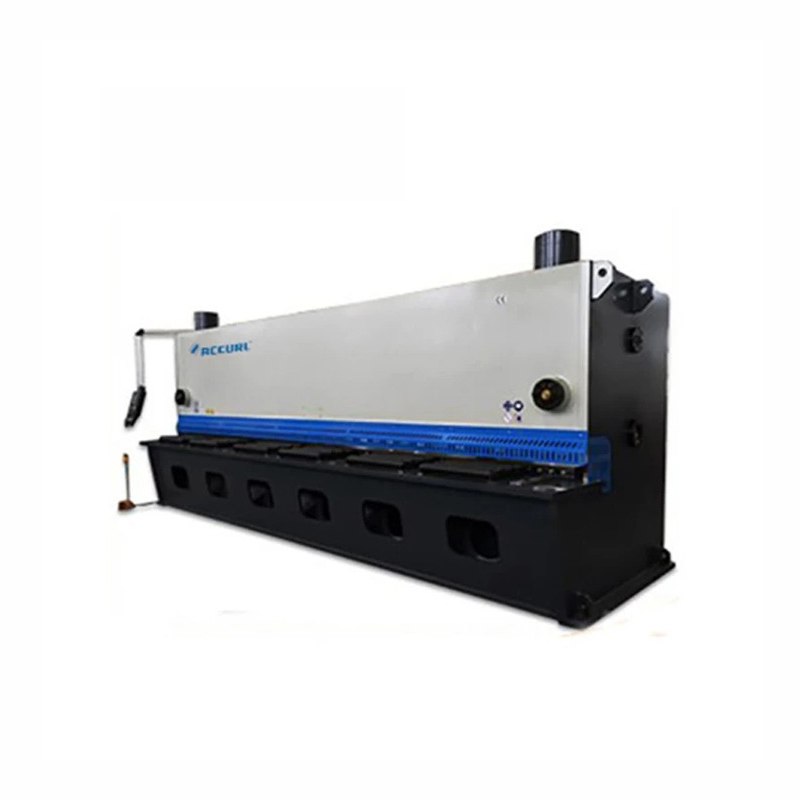
Advantages of Gantry Shears

Here are the key benefits of a metal gantry shear, capturing its essential value in fabrication:


1.Unmatched Precision & Clean Cuts: Gantry shears deliver exceptionally straight, burr-minimized cuts with tight tolerances. The rigid frame and precise blade alignment ensure perpendicularity and dimensional accuracy critical for downstream processes like welding and assembly, eliminating rework and scrap.


2. High Efficiency & Throughput: Designed for heavy, long materials, they rapidly process large sheets, plates, or bars in a single stroke. CNC integration allows for automatic backgauge positioning and repetitive cutting sequences, dramatically outpacing manual methods or smaller shears, optimizing production flow.


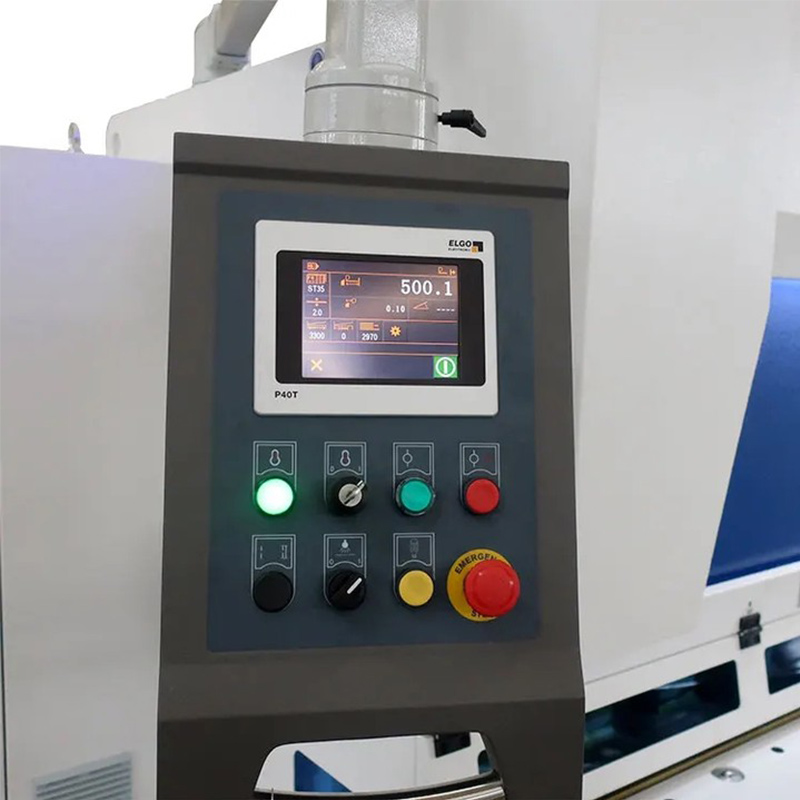
3. Superior Material Handling: The integrated moving gantry (bridge) with powerful clamping holds material firmly *throughout* the cut. This prevents slippage, distortion, or marking on sensitive surfaces (like pre-painted sheets) and allows safe, controlled handling of large, heavy, or awkward workpieces.


4. Exceptional Versatility: Capable of cleanly shearing a vast range of materials (mild steel, stainless, aluminum) and thicknesses (from thin gauge up to several inches/dozens of mm), as well as various profiles (sheets, plates, flats, angles - with appropriate tooling). Adjustable blade gaps and rake angles enhance this adaptability.


5. Enhanced Operator Safety: Automation reduces direct handling near the cutting blade. Features like light curtains, two-hand controls, and guarded moving parts significantly lower risks compared to manual cutting or less sophisticated machinery, creating a safer workshop environment.


6. Material Savings & Reduced Waste: Precise programming and nesting optimization (often integrated with CNC) minimize offcuts and maximize material yield from expensive stock. Clean cuts reduce the need for secondary edge finishing.


7. Robust Durability & Low Maintenance: Built from heavy-duty steel for immense structural integrity, gantry shears are engineered for decades of demanding service. Their fundamental shearing mechanism is mechanically robust and generally requires less complex maintenance than high-energy beam processes like lasers or plasma.


8. Strong Return on Investment (ROI): While a significant capital investment, the combined benefits – reduced labor costs, minimized material waste, faster throughput, lower rework/scrap, improved safety, and extended lifespan – deliver a compelling ROI, making it a cornerstone machine for serious metal fabricators.


In essence: The metal gantry shear is the silent titan of the shop floor. It transforms raw stock into accurately sized blanks with speed, precision, and safety that manual methods or smaller equipment simply cannot match. Its strength, versatility, and efficiency directly translate into lower production costs, higher quality output, and a more competitive operation, solidifying its status as an indispensable asset for any high-volume or precision-focused metal fabrication facility.

A high and low temperature humidity test chamber

A high and low temperature humidity test chamber is a device used to test the performance of products in high temperature, low temperature or humid and hot environments. It is widely used in the testing of aerospace products, information electronic instruments and meters, materials, electrical appliances, electronic products, and various electronic components.

high and low temperature humidity test chamber 

Basic Working Principle:

❖ Box structure: usually made of stainless steel or other corrosion-resistant materials, the internal space is used to place the sample under test, and the external control panel and display are installed.

❖ Temperature and humidity control system: including heater, refrigeration system (single stage, double stage or stacked refrigeration), humidification and dehumidification device, as well as sensors and microprocessors to ensure that the temperature and humidity in the box is precisely controllable.

❖ Air circulation system: built-in fans promote air circulation in the box to ensure uniform temperature and humidity distribution.

❖ Control system: microcomputer or PLC controller is used. Users can set the required temperature, humidity and test time through the operation interface, and the system will automatically execute and maintain the set conditions.


Lab Companion was established on May 4, 2005, and is a national high-tech enterprise headquartered in Dongguan, Guangdong Province. The company has two major R&D and manufacturing facilities in Dongguan and Kunshan, covering a total area of 10,000 square meters. It produces approximately 2,000 environmental test equipment units annually. The company also operates sales and maintenance service centers in Beijing, Shanghai, Wuhan, Chengdu, Chongqing, Xi 'an, and Hong Kong. Hongzhan has always been dedicated to the technology of environmental test equipment, continuously striving for excellence to create reliability that meets international standards. Its customers span various industries, including electronics, semiconductors, optoelectronics, communications, aerospace, machinery, laboratories, and automotive. From product development to after-sales service, every step is guided by the customer's perspective and needs.


Cold and hot shock test chamber maintenance method

1. The condenser (or radiator) of the refrigeration unit in the cold and heat shock test chamber should be regularly maintained to ensure it remains clean. Dust that adheres to the condenser can cause the compressor's high-pressure switch to trip, leading to false alarms. The condenser should be cleaned monthly using a vacuum cleaner to remove dust from the condenser's cooling mesh, or after turning on the machine, use a hard-bristled brush to clean it, or blow away the dust with a high-pressure air nozzle.

2. When opening or closing the door or taking the test object from the furnace, do not let the item touch the rubber edge on the door to prevent the rubber edge from being damaged and shortened life.

3. Keep the ground around and under the fuselage clean at all times to avoid accidents and performance degradation caused by large amounts of dust being sucked into the unit.

4. The freezing system of the cold and hot shock test chamber is the core of this machine. Please inspect all copper tubes for leakage and snow conditions every half a year, as well as all nozzles and welding joints. If there is oil leakage, please inform the company or deal with it directly.

5. The large current contact of the distribution panel should be cleaned and repaired at least once a year in the distribution room. The loosening of the contact will make the whole equipment work in a risky state. At best, it will burn out the components, and at worst, it will cause fire, alarm and personal injury. When cleaning, use a vacuum cleaner to remove the dust in the room.

6. Do not adjust the setting value of the two over-temperature protectors in the power distribution box of the cold and hot shock test chamber casually. It has been adjusted at the factory. This protective switch is used to protect the heating tube from empty burning and alarm. The setting point = temperature setting point 20℃~30℃.

7. Cold and hot shock test chamber When the test product is taken when the time arrives, it must be in the off state and the staff must wear dry, anti-electricity and temperature-resistant gloves to take and put the product.

8. Clean and maintain the inside and outside of the cold and heat shock test chamber. 9. Before operating the cold and heat shock test chamber, remove any internal impurities. 10. The electrical distribution room should be cleaned at least once a year. When cleaning, use a vacuum cleaner to remove dust. The exterior of the chamber must be cleaned at least once a year, using soapy water for wiping.

 environmental test equipment manufacturers

High and low temperature humidity test chamber Application

High and low temperature humidity test chamber plays an important role in many industries due to its powerful environmental simulation ability. The following is an overview of its main application industries:

❖ Aerospace is used to test the performance of aircraft, satellite, rocket and other aerospace components and materials under extreme temperature and humidity conditions.

❖ Test the stability and reliability of electronic components, circuit boards, displays, batteries and other electronic products in high temperature, low temperature and humidity environment.

❖ Evaluate the durability of automotive components such as engine parts, electronic control systems, tires, and coatings in harsh environments.

❖ Defense and military use environmental adaptability tests of military equipment and weapon systems to ensure their normal operation under a variety of climatic conditions.

❖ Material science research on the heat resistance, cold resistance and moisture resistance of new materials, as well as their physical and chemical properties under different environmental conditions.

❖ Energy and environmental assessment of the environmental adaptability and weather resistance of new energy products such as solar panels and energy storage equipment.

❖ Transportation test of the performance of components of vehicles, ships, aircraft and other transportation vehicles in extreme environments.

❖ Biomedical testing of the stability and effectiveness of medical devices and drugs under changes in temperature and humidity.

❖ Quality inspection is used for environmental testing and certification of products in the product quality control center.


High and low temperature humidity test chamber helps enterprises and institutions in the above industries to ensure that their products can operate normally in the expected use environment by simulating various extreme conditions that may be encountered in the natural environment, so as to improve the market competitiveness of products.


Introduction to the characteristics of rapid temperature change test chamber equipme

The rapid temperature change test chamber is suitable for aerospace products, information and electronic instruments, materials, electrical and electronic products, and various electronic components to test the performance indicators of products under the condition of rapid temperature change.

Characteristics of the rapid temperature change test chamber: 1. The chamber is designed with advanced and rational structure, featuring internationally advanced products and functional components that meet long-term, stable, safe, and reliable production needs. It meets the processing and production requirements for these applications, is user-friendly in terms of operation, maintenance, and use, has a long service life, an attractive design, and a user-friendly interface that simplifies and enhances the user's operational and monitoring experience.

2. The main components of the equipment are selected from high-quality products of well-known international brands to ensure the quality and performance of the whole machine.

3. Perfect equipment performance and easy to operate man-machine dialogue function.

4. Have independent intellectual property rights and design patents and master the core technology of environmental test chamber.

5. The control instrument adopts the original Japanese imported "Youyikong" UMC1200, which can be monitored remotely.

6. The refrigeration system adopts the original French Taikang compressor unit, and is equipped with condensate water tray.

7. Core electrical components are all imported well-known brands such as Schneider.

8. Follow the advanced design concept of foreign environmental test equipment, and separate water and electricity.

9. Shallow tank humidification, novel and unique, drawer water adding method, super large tank design.

10. The bottom of the studio adopts drainage groove design to prevent steam condensation and maximize the protection of test workpiece.

11. The lighting system adopts philips kit, and the observation window adopts funnel-shaped design to provide a wider field of view.

12. Unique leakage protection design for safer operation.