PP Woven Bottom Valve Bag Making Machine A Core Solution for Modern Industrial Packaging

Introduction

In the packaging industry for fertilizers, chemical raw materials, grains, and other sectors, PP woven bottom valve bags have become the preferred choice for bulk powder and granular material packaging due to their excellent load-bearing capacity, stacking stability, and convenient filling features. The specialized equipment for producing these bags—the PP woven bottom valve bag making machine—represents a significant technological innovation in modern packaging machinery. This article provides a comprehensive analysis of this professional bag-making equipment, covering its technical features, market applications, and development trends.


1. Overview of PP Woven Bottom Valve Bag Making Machine

The PP woven bottom valve bag making machine is a fully automated device specifically designed for producing polypropylene (PP) woven bottom valve bags. Its key features include:


Specialized bag production: Designed for bottom valve bags, capable of producing standard packaging bags with capacities ranging from 5-50kg.


High-efficiency production: Production speeds of 60-130 bags per minute (depending on bag size).


Precision control: Servo system-controlled cutting with high accuracy.


Versatility: Can produce various types of bags, including standard valve bags, open-bottom bags, handled bottom bags, and paper-plastic composite valve bags.


2. Core Technology Breakdown

(1) Woven Fabric Pre-Treatment System

Automatic edge alignment ensures material centering.


Tension control system maintains stable feeding.


(2) High-Precision Bag-Making System

Servo-driven precision cutting unit.


Innovative bottom-folding technology.


Heat-sealed valve formation.


(3) Intelligent Control System

PLC + touchscreen HMI (human-machine interface).


Automatic production data recording.


Self-diagnostic fault alarm system.


Optional remote monitoring interface.


AI visual defect detection system.


Automatic waste rejection function.


3. Main Application Areas

Fertilizer industry: Packaging for urea, compound fertilizers, organic fertilizers, etc.


Chemical raw materials: Plastic pellets, mineral powders, industrial salts, etc.


Grain processing: Feed, grains, flour, etc.


Building materials: Cement, putty powder, dry mortar, etc.


4. Key Considerations for Purchasing

Production stability and yield: Choose equipment with stable operation, secure heat sealing, and low defect rates.


Patent risks: Opt for independently innovated equipment to avoid legal disputes.


Bag specifications: Confirm the maximum/minimum bag sizes the machine can produce.


Material adaptability: Generally supports PP woven fabrics of different weights.


Automation level: Check if AI visual inspection and automatic waste rejection are included.


After-sales service: Evaluate the manufacturer's technical support and spare parts availability.


5. Industry Development Trends

Smart upgrades: Integration of machine vision inspection systems to improve product quality.


Energy efficiency: Development of low-energy-consumption models to reduce waste.


Flexible production: Quick mold-changing technology for small-batch, multi-variety production.


IoT integration: Equipment networking for remote monitoring and predictive maintenance.


Conclusion

As specialized packaging equipment, the PP woven bottom valve bag making machine directly impacts downstream users' packaging costs and product quality. With the advancement of China's "Made in China 2025" strategy, these machines are evolving toward smarter, more efficient, and more environmentally friendly solutions. For companies with procurement needs, in addition to focusing on the equipment's technical parameters, it is essential to consider the manufacturer's R&D capabilities and service support to ensure optimal performance throughout the machine's lifecycle.


For more details about (GACHN JEENAR) Gachn-Jeenar's PP woven bottom valve bag making machines or purchasing advice, feel free to contact us anytime. We offer professional consulting services.

Why choose a CNC shearing machine?

Core value-driven:

Precision leap: Eliminate human errors, achieve extremely high dimensional consistency, and ensure perfect alignment in subsequent bending, welding and other processes.

Efficiency doubling: Automated positioning, rapid shearing, and continuous operation significantly reduce the processing time of individual pieces and the overall production cycle.

Material conservation: Precise cutting minimizes waste to the greatest extent, and optimized layout functions can further enhance material utilization.

Reduce labor intensity: The operation is more convenient and effortless, reducing the reliance on highly skilled workers.

Enhancing safety: Multiple safety safeguard measures significantly reduce the risk of work-related injuries.

Improve cut quality: Precise gap control and stable shear force result in smooth, vertical, and burr-free (or minimally burr-free) cuts.

Flexible production: Quickly switch between different product programs to meet the demands of small-batch and diversified production.

 CNC shearing machine

The CNC shearing machine is the first precise process in the metal sheet processing of many industries:

Sheet metal processing factory: chassis and cabinets, control cabinets, ventilation ducts, etc.

Elevator manufacturing: car wall panels, door panels, structural components.

Construction machinery: cabs, covering parts, structural parts and plates.

Power equipment: Switch cabinets, transformer boxes.

Kitchenware and equipment: Stainless steel countertops, cabinets.

Architectural decoration: curtain wall panels, metal decorative pieces.

Automobiles and auto parts: body parts, brackets, chassis parts.

Home appliance manufacturing: shells, back plates, brackets.

Rail transit: Components inside and outside the carriages.

New energy (wind power, photovoltaic) : brackets, structural component plates.

 cnc shearing machine

Select the key considerations:

Shearing capacity: Maximum shearing length (determining the width of the plate that can be sheared), maximum shearing thickness (determining the thickness of the plate that can be sheared, with varying capabilities for different materials such as Q235 steel, stainless steel, aluminum, etc.).

Throat depth: Affects the width range of the sheared sheet.

Rear stopper accuracy and speed: positioning accuracy (±mm value) and moving speed.

Blade clearance adjustment method: automatic/manual, adjustment accuracy.

Overall structure and rigidity: The quality of the welded frame and the materials of key components directly affect stability and service life.

Safety configuration level: safety light curtain level, whether it is equipped with safety fences, etc.

Brand reputation and after-sales service: Of vital importance, they are related to the long-term stable operation of the equipment.

If you have more ideas, please contact us!

Tel: +86 -18855551088

Email: Info@Accurl.com

Whatsapp/Mobile: +86 -18855551088


Say Goodbye to Space Constraints Compact Chillers for Modern HVAC Challenges

In the HVAC industry, cooling capacity and system configuration typically follow conventional wisdom. However, a recent 18-ton chiller from H.Stars has stirred attention—not because of its size, but because of its evaporator: a compact yet bold 4-head U-tube design.

At first glance, this may seem over-engineered. But behind this “extra” configuration lies a smart, forward-thinking strategy to boost energy efficiency, enhance reliability, and adapt to complex installation environments.


energy-efficient HVAC system U-tube evaporator design


Breaking the Norm: Multi-Head U-Tube Innovation

Most small-capacity chillers come with single or dual head evaporator designs. This unit, however, features a pioneering four-head U-tube configuration—dividing the heat exchange pipeline into four independent circuits. This creates a multi-point distributed thermal network.
Each head handles approximately 4.5 refrigeration tons, minimizing pressure drop losses in individual paths and ensuring stable operation under varying conditions. Additionally, the turbulence effect generated by the U-shaped design increases media agitation within the tubes. Lab data shows this structure improves heat exchange efficiency by around 12% compared to traditional straight-tube designs—especially under partial load conditions.

small capacity chiller modular refrigeration unit


Precision Design for Small-Scale Cooling Needs

In retrofit projects like commercial complex equipment rooms or precision laboratories, two factors matter most: tight spaces and fluctuating loads. The four-head design enables exceptional load modulation, seamlessly transitioning from 25% to 100% capacity and offering unmatched flexibility for diverse applications.
Its compact layout, thanks to the U-tube structure, saves up to 30% in installation space compared to conventional layouts—perfect for low-ceilinged older buildings. In a real-world data center retrofit, this 18-ton unit used zoned control to match cooling output precisely to demand, reducing annual energy usage by 22%.

Redefining Life Cycle Cost Analysis

Although the upfront cost is about 15% higher than standard units, the built-in redundancy of the four-head system slashes maintenance costs by up to 60%. If one circuit becomes blocked or fails, the system can automatically isolate it and activate a standby path—eliminating the "all-or-nothing" failure risk found in traditional single-head units.
A pharmacy cold storage project showed that over a five-year service cycle, the total cost of ownership for this design was 8% lower than that of a typical unit—despite the higher initial investment.

Smarter Configuration for a New Era of Small-Capacity Efficiency

This “small-capacity, high-configuration” design challenges the status quo in the refrigeration industry, signaling a shift toward refined system solutions tailored for modern needs. As digital controls and smart technologies become mainstream, compact chillers like this may lead the next wave of energy-saving innovation.
What may seem “over-designed” today is poised to set the standard for tomorrow, showcasing how ingenuity can redefine performance in small-scale cooling applications.

precision cooling solutions multi-head evaporator chiller


Advanced Solution for Packaging Durability Testing


Introduction

The integrity and durability of packaging materials are crucial in various industries, including food, pharmaceuticals, and consumer goods. The GBN200Z Compression Tester, developed by GBPI, is a high-precision instrument designed to evaluate the compression resistance and burst strength of packaging bags. This advanced equipment complies with GB standards and meets the market's rigorous demands for quality control and research applications.


Importance of Compression Resistance Testing

Packaging materials play a vital role in product protection, preventing contamination, maintaining shelf life, and ensuring consumer safety. One key property of packaging materials is their ability to withstand compression during storage, transportation, and handling. The GBN200Z Compression Tester provides an accurate and reliable method to assess packaging performance, helping manufacturers optimize material selection and improve production quality.


Key Features of GBN200Z

The GBN200Z incorporates state-of-the-art technology to deliver precise and consistent testing results. Some of its notable features include:

High-Precision Compression Control: The tester applies controlled compression to packaging materials, accurately measuring their resistance and burst strength.

Compliance with International Standards: Designed to meet GB standards, ensuring results are relevant and comparable across industries.

User-Friendly Interface: Equipped with an intuitive control panel and digital display for ease of operation.

Versatile Testing Capabilities: Suitable for various types of packaging, including plastic films, laminated materials, and flexible pouches.

Automatic Data Recording: Stores test results for detailed analysis and quality control.

Robust Construction: Built with durable materials to ensure longevity and consistent performance.


Applications Across Industries

The GBN200Z is widely used in multiple sectors where packaging integrity is critical. Below are some of the key industries that benefit from this advanced testing equipment:

Food Packaging: Ensures packaging materials can withstand transportation stress, preventing leaks and contamination.

Pharmaceuticals: Maintains the sterility and integrity of drug packaging, reducing risks associated with damaged containers.

Consumer Goods: Evaluates the strength of flexible pouches and plastic bags used in everyday products.

Quality Inspection & Research: Used in laboratories and testing institutions for material research and compliance testing.

Industrial Packaging: Assesses the durability of packaging materials used for bulk goods and logistics applications.

Medical Device Packaging: Ensures the safety and sterility of medical packaging used for instruments and supplies.


How the GBN200Z Works

The GBN200Z employs a precise testing methodology to measure the compression resistance of packaging materials. The general process includes the following steps:

Sample Preparation: A packaging bag or film sample is placed in the testing chamber.

Compression Application: The tester applies controlled compression to the sample, gradually increasing the force until the material reaches its breaking point.

Data Recording: The device records critical data such as maximum compression resistance and burst strength.

Result Analysis: Test results are displayed on the digital interface and can be exported for further analysis.


Benefits of Using the GBN200Z

The GBN200Z Compression Tester offers numerous advantages for manufacturers and quality control teams:

Enhanced Product Safety: Ensures packaging materials can withstand real-world conditions, reducing failure rates.

Improved Manufacturing Efficiency: Identifies weak points in materials, allowing for optimization and cost reduction.

Regulatory Compliance: Helps businesses meet industry standards and quality assurance requirements.

Data-Driven Quality Control: Provides accurate test data for making informed decisions in packaging development.


Conclusion

The GBN200Z Compression Tester is an essential tool for industries that rely on high-quality packaging materials. With its precise testing capabilities, compliance with GB standards, and user-friendly design, it provides manufacturers and researchers with a reliable solution for evaluating packaging strength. By investing in advanced testing equipment like the GBN200Z, businesses can enhance product safety, reduce defects, and maintain industry compliance, ultimately leading to improved customer satisfaction and brand reputation.


Why Melt Flow Rate Testing Matters

In the world of plastic manufacturing, precision matters. Whether you're producing packaging materials, automotive components, or consumer electronics, understanding how your raw materials behave under heat is essential. One of the most important indicators of a thermoplastic material’s processing performance is its Melt Flow Rate (MFR) or Melt Volume Rate (MVR). This is where the GBB-R Melt Flow Index Tester, developed by Guangzhou Biaoji’s expert R&D team, comes into play.

What Is Melt Flow Rate, and Why Should You Care?

The melt flow rate refers to how easily a thermoplastic polymer flows when melted under specific temperature and load conditions. It's measured by how much material extrudes through a standard die over a given period. This value—expressed as either mass (MFR, g/10min) or volume (MVR, cm³/10min)—can significantly impact the molding and extrusion behavior of the material.

Imagine producing a batch of polypropylene components. If the MFR is too high, the material might flow too quickly, leading to flash or overpacking. Too low, and the mold might not fill properly, causing structural defects. Knowing the exact melt flow rate helps technicians fine-tune their processing parameters, reduce waste, and ensure consistent product quality.


Meet the GBB-R: Precision Meets Reliability

The GBB-R Melt Flow Index Tester is designed in full compliance with standards such as GB/T 3682, ISO 1133, and JB/T 5456. It is suitable for testing a wide range of polymers, including:

Polyethylene (PE)

Polypropylene (PP)

Polystyrene (PS)

ABS resin

Polycarbonate (PC)

Nylon

Fluoroplastics

Acetal resins

The device operates by heating the plastic sample to a specified temperature and applying a standard load. The molten material then flows through a calibrated die, and the machine calculates the flow rate automatically. Both MFR and MVR values can be measured with high repeatability and accuracy.


Who Needs a Melt Flow Index Tester?

The GBB-R is essential for any industry that relies on thermoplastic materials. Its main users include:

Plastic raw material manufacturers: for quality classification and batch consistency

Injection molding factories: to optimize molding parameters and reduce defects

Extrusion and film producers: for continuous quality control during production

Petrochemical companies: for product development and R&D testing

Testing labs and research institutes: for comparative material analysis

In industries like food packaging, pharmaceutical packaging, automotive parts, and consumer goods, the flow behavior of polymers directly influences production speed, product stability, and overall cost efficiency. Having a reliable instrument like the GBB-R gives companies a clear advantage in process control and quality assurance.


Key Benefits at a Glance

Standards-compliant: Fully meets ISO 1133 and GB/T 3682

Wide material compatibility: Suitable for a variety of thermoplastics

Accurate and stable results: Ensures repeatability across different tests

Easy operation: User-friendly interface and automation options

Ideal for both lab and production line: Flexible for different testing scenarios


Final Thoughts

In modern plastic manufacturing, the smallest details make the biggest difference. The melt flow rate of your polymer can determine the success or failure of your production process. Investing in a high-quality, reliable melt flow index tester like the GBB-R not only ensures accurate testing results but also enhances your entire production workflow.

Whether you’re developing new plastic materials or ensuring consistency in daily operations, the GBB-R is the smart choice for manufacturers who value quality and control.

Why is the CNC turret punch press the intelligent heart of modern sheet metal processing?

I. Core Technology: The unique design principle of the turret punch press

The core of a CNC turret punch press lies in its turret structure - a rotating tool magazine that can accommodate dozens of sets of molds. Unlike traditional single-punch presses, the turret design enables automatic die switching through program control, allowing the equipment to complete multiple processes such as punching, forming, and stretching in a single clamping.

The turret is usually divided into two layers, with the upper die installed on the upper layer and the lower die fixed on the lower layer. Through precise synchronous rotation and positioning, the perfect alignment of the dies at the moment of stamping is ensured.

The precision servo drive system is the nerve center of modern turret punch presses. It controls the high-speed and precise positioning of the sheet in the X-Y plane, the Z-axis movement trajectory of the punch, and the rotation Angle of the turret. The high-dynamic servo motor, in combination with the linear guide rail, enables the metal sheet to move at a speed exceeding 100 meters per minute, while maintaining the positioning accuracy within ±0.1mm.

This combination of speed and precision is beyond the reach of manual operation or traditional machinery.

Safety design is another major highlight of the turret punch press. Modern equipment adopts the "human-machine separation" principle - when the equipment is in operation, the operator stays away from the working area, and the equipment automatically stops when the operator approaches. In combination with the light curtain protection and the two-hand start button, the equipment achieves the intrinsic safety of "human-powered machine stops and motorized human-powered machine stops", completely eliminating the risk of hand injury caused by traditional punch presses.

Ii. Technological Innovation: Intelligent control systems empower efficient production

The innovation of touch interaction interfaces has greatly enhanced operational efficiency. The new generation of turret punch press adopts a 21.5-inch FHD full high-definition vertical screen and supports 10-point capacitive touch control. Operators can operate smoothly even when wearing gloves.

The 178° full-view screen ensures that the processing status can be clearly observed from all angles. The closed rigid chassis design effectively resists the ubiquitous dust and oil stains in the metal processing environment, ensuring the long-term stable operation of the electronic system.

The introduction of adaptive control technology has endowed the turret punch press with the ability to "think". Similar to the ACM adaptive monitoring system of OMAT Company, it can collect the spindle load data in real time and dynamically adjust the processing parameters. When abnormal vibration or sudden load changes are detected, the system can automatically slow down or shut down to avoid costly mold damage.

Practical application data shows that this technology can save approximately 38% of the time for contour processing, 34% for slot hole processing, and extend the mold life by up to 40%.

The modular programming platform has significantly lowered the technical threshold. Modern turret press control systems offer a graphical programming interface. Operators only need to import CAD drawings, and the system can automatically generate and optimize the stamping path. For complex and irregular-shaped holes, the software will automatically decompose the continuous contour into a series of small line segments and achieve this through high-speed step punching.

This "what you see is what you get" programming approach enables operators without a mechanical background to quickly master the use of the equipment, providing an efficient employment channel for new immigrants and technology transition personnel.

Iii. Automation Integration: Building an unmanned sheet metal factory

The robot collaborative system has greatly enhanced the capabilities of the turret punch press. Through an integrated solution similar to Siemens' Sinumerik Run My Robot, industrial robots can be directly controlled by the CNC system to achieve full-process automation of automatic sheet material loading, finished product stacking and mold replacement.


This deep integration not only reduces the hardware configuration requirements, but also optimizes the robot's motion trajectory accuracy through a unified data flow, making the entire working unit coordinated as one.


The combination of the automatic mold changing system (ATC) and the automatic pallet exchange system (APC) has created a continuous production environment. When the equipment is processing the current workpiece, the robot has already clamped the next sheet in the preparation area. When special molds are required, the turret automatically rotates to the target workstation, and the entire process only takes 2 to 3 seconds.

This seamless connection has raised the equipment utilization rate from the traditional 50-60% to over 85%, truly achieving a continuous production mode of "factory with lights off".

Iv. Industry Application and Economic Value: The Core Carrier of sheet metal processing

The application scope of CNC turret punch presses is astonishing: from 1mm thick electronic chassis panels to 12mm thick protective plates for construction machinery, from stainless steel kitchen equipment to aluminum alloy elevator decorations, its processing capacity covers almost all metal plates that require holes and shapes.


Factories equipped with turret punch presses are often simultaneously configured with CNC laser cutting machines and CNC bending machines, forming a complete sheet metal processing production line.

The salary level in the industry confirms its technical value. In North American manufacturing, the starting salary for technicians operating fully automatic turret punch presses can reach $18 per hour, and for junior positions, it is no less than $15 per hour.

The salaries offered by domestic high-end sheet metal enterprises for skilled turret punch press programming operators are also significantly higher than those for ordinary positions, which reflects the market's urgent demand for compound sheet metal technical talents.

CNC turret punch machine

V. Future Trends: The Integration of Digitalization and Flexibility

Digital twin technology is transforming the operation mode of turret punch presses. By fully simulating the stamping process in a virtual environment, engineers can optimize die selection, sheet metal layout and stamping sequence before actual production. Systems such as hyperMILL® VIRTUAL Machining can generate digital twins of real machine tools. Collision checking and motion optimization are completed in the virtual space to ensure the success of actual processing in one attempt.

Users can upgrade from small format to large format and expand from thin plate processing to thick plate processing without replacing the entire machine, significantly enhancing the return on investment.

Edge computing and the Internet of Things endow devices with predictive maintenance capabilities. By real-time monitoring of the main motor current, the positioning accuracy of the turret and the impact waveform of the punch, the system can provide early warnings of potential faults such as guide rail wear and mold fatigue. This shift from "regular maintenance" to "on-demand maintenance" has elevated the availability of equipment to a new level.

CNC turret punch machine

If you have more ideas, please contact us!

Tel: +86 -18855551088

Email: Info@Accurl.com

Whatsapp/Mobile: +86 -18855551088

Unleashing Power and Efficiency The 800kW Scroll Air-Cooled Chiller Redefines Industrial Cooling

In the world of industrial cooling, scroll air-cooled chillers are spearheading an energy-efficiency revolution. Among them, the newly launched 800kW chiller by H.Stars Group has quickly become a topic of industry discussion. But what qualifies as a “large-scale” unit in this field? Let’s decode the standards of industrial chiller classification from a technical perspective.

industrial refrigeration solutions 800kW air cooled chiller


1. Understanding Chiller Size Classifications

In the HVAC industry, the size of a chiller is defined by more than just its physical footprint. According to ASHRAE (American Society of Heating, Refrigerating and Air-Conditioning Engineers), scroll air-cooled chillers can be categorized by cooling capacity as follows (for reference):
• Small Units: <200kW
• Medium Units: 200–500kW
• Large Units: >500kW
This classification considers system integration, efficiency curves, and actual application environments—not just output power.
International giants like Trane and Carrier follow similar sizing logic. 500kW often marks the dividing line between commercial and industrial systems. Units above this threshold typically feature multiple compressors, subcooling technology, and advanced industrial-grade designs—with COP (Coefficient of Performance) values exceeding 3.8 and meeting China's GB19577-2015 first-level energy efficiency standard.

2. Where Does the 800kW Unit Stand?

H.Stars’ 800kW scroll chiller features a dual-rotor variable frequency compressor system and sits firmly in the upper tier of industrial cooling. Compared to conventional 500kW models, it reduces metal consumption per kilowatt of cooling by 18% and boosts its IPLV (Integrated Part Load Value) to 4.2. This translates to an annual power saving of approximately 120,000 kWh based on 3,000 operating hours per year.
In field testing at a cold chain logistics center, the unit maintained full-capacity operation even in harsh 45°C ambient conditions—demonstrating excellent environmental adaptability.

3. Compact Design Meets High Power

Compared with McQuay’s MWC 650kW chiller (5.2m² footprint), the H.Stars 800kW unit achieves higher capacity while maintaining a smaller footprint (4.8m²). This compact modular design simplifies transportation and installation.
Its smart multi-unit control system supports parallel operation of up to 8 units, enabling a combined capacity of up to 6400kW. This makes it a perfect fit for large-scale data centers, chemical processing plants, and industrial manufacturing facilities.


energy-efficient chillers modular chiller system


4. Market Trends: Big Units, Bigger Opportunities

With the rise of China’s “New Infrastructure” initiative, demand for high-capacity chillers is surging. As of 2022, chillers over 500kW now account for 38% of the market—up from just 23% five years ago.
These systems are essential in semiconductor fabs and battery manufacturing lines. For instance, after a major lithium battery producer adopted the H.Stars 800kW chiller, their cooling energy consumption dropped by 31%, while product yield increased by 2.7%.

5. Smart Cooling for Industry 4.0

To meet the demands of intelligent manufacturing, H.Stars integrates IoT-based remote monitoring into its chillers. Each unit tracks 132 real-time operational parameters. Combined with machine learning algorithms, the system optimizes energy use dynamically, transforming the 800kW chiller from a mere cooling unit into a critical node in the industrial IoT ecosystem.
As Industry 4.0 accelerates, the emergence of H.Stars’ 800kW scroll chiller redefines what a large-scale cooling solution looks like. It's more than a machine—it's a symbol of China’s rising capability in precision industrial refrigeration, and a gateway to a smarter, more efficient future.
When cooling capacity crosses new thresholds, what follows is not just power—but an entire shift in the energy efficiency paradigm.


The use of moisture permeability tester

The moisture permeability tester is a professional device used to measure the water vapor transmission rate (WVTR) of textiles, films, non-woven fabrics and other materials. The following are the standard operating procedures and technical points.


I. Equipment structure and principle

Core components

1. Test chamber: sealed chamber with controllable temperature and humidity (usually divided into dry/wet chamber)

2. Weighing system: high-precision balance (0.001g resolution)

3. Temperature control system: PID precise temperature control (range 20-50℃±0.5℃)

4. Humidity system: saturated salt solution or steam generator

5. Data acquisition: automatic recording of mass changes and temperature and humidity


Test principle

Positive cup method (ISO 2528): water vapor permeation from wet chamber to dry chamber

Inverted cup method (ASTM E96): water vapor absorption from dry chamber to wet chamber

Dynamic method (JIS L1099): determination of water vapor carried by airflow


II. Standard operating procedures

1. Sample preparation

Cut a circular sample with a diameter of ≥70mm (no creases/breaks)

If testing multiple layers of materials, stack them according to the actual use direction

Pretreatment: equilibrate at the test temperature and humidity for 24h (GB/T 12704 requirements)


2. Equipment initialization

1. Turn on the constant temperature water bath (set to 23℃ or 38℃)

2. Prepare saturated salt solution:

Dry environment: Mg(NO₃)₂ (RH≈53%)

High humidity environment: K₂SO₄ (RH≈97%)

3. Calibrate the balance (use standard weights)

3. Sample loading and sealing

1. Fix the sample at the mouth of the test cup:

- Positive cup method: add distilled water (liquid surface 3mm away from the sample)

- Inverted cup method: add desiccant (anhydrous CaCl₂)

2. Press with silicone seal to ensure no side leakage

3. Weigh the initial mass (m₀) to an accuracy of 0.001g

4. Test execution

1. Place the test cup in a constant temperature and humidity chamber

2. Set parameters:

Temperature: 23±1℃ or 38±1℃ (select according to the standard)

Air flow rate: 0.5-1.0m/s (dynamic method needs to be set)

Test interval: 1h/time (static method)

3. Start the test, the system automatically records the mass change (m₁, m₂...mₙ)

5. Data processing

Water vapor permeability meter:

WVTR = (Δm×24)/(A×t) Unit: g/(m²·d)

Δm: mass change (g)

A: effective test area (m²)

t: test time (h)

Example:

If the mass decreases by 0.12g within 24h and the test area is 0.00283m², then:

WVTR = (0.12×24)/0.00283 = 1017.7 g/(m²·d)


Email: hello@utstesters.com

Direct: + 86 152 6060 5085

Tel: +86-596-7686689

Web: www.utstesters.com

Uses of fabric air permeability tester

The fabric air permeability tester is an instrument specially used to measure the air permeability of fabrics (such as clothing, footwear, industrial textiles, etc.). Its core purpose is to evaluate the ability of materials to allow air to pass under different pressure difference conditions. The following are its main application scenarios and purposes:


1. Quality control and production optimization

Production process verification: Ensure that the air permeability of fabrics during the production process (such as textile, coating, lamination, etc.) meets the design standards to avoid performance degradation due to process deviations.

Batch consistency detection: Compare different batches of raw materials or finished products to maintain the stability of product air permeability.


2. Functional clothing and equipment development

Sports/outdoor clothing: Test the air permeability of products such as assault jackets and mountaineering clothes, and balance the needs of windproof and moisture removal (such as the research and development of fabrics such as GORE-TEX).

Protective equipment: Evaluate the air permeability of medical protective clothing and industrial dustproof clothing to ensure the protective effect while avoiding stuffiness.

Shoe materials and tents: Optimize the air permeability of upper materials or tent fabrics to improve wearing comfort or ventilation performance.


3. Industry standards and certification

Compliance testing: meet international standards (such as ISO 9237, ASTM D737, GB/T 5453, etc.) and obtain product certification (such as CE, OEKO-TEX).

R&D benchmarking: compare competitor or industry benchmark data to guide new product development.


4. Material research and innovation

Evaluation of new materials: test the air permeability efficiency of innovative materials such as nanofibers and breathable membranes to promote technology applications.

Analysis of multi-layer composite materials: study the impact of different laminate structures (such as non-woven fabrics + films) on overall air permeability.


5. User experience and market competitiveness

Comfort quantification: convert air permeability data (such as mm/s or cfm) into product selling points (such as "air permeability increased by 20%)" to enhance market persuasiveness.

Problem diagnosis: for the "stuffy" problem complained by users, locate material or design defects through testing.


Brief description of test principle

The instrument applies a controllable air pressure difference on both sides of a fixed area of fabric to measure the volume of air (or flow rate) passing through per unit time. The results are usually expressed as air permeability (such as L/m²/s) or air permeability resistance, with higher values indicating greater air permeability.


Key parameters for selecting a tester

Test standard compatibility (such as support for multiple international standards)

Range and accuracy (adapting to different materials from dense down-proof fabrics to sparse mesh fabrics)

Automation functions (such as digital pressure regulation, direct data export)


This type of instrument is indispensable in textile laboratories, quality inspection agencies and R&D centers, and directly affects the functional positioning and market acceptance of products.

Email: hello@utstesters.com

Direct: + 86 152 6060 5085

Tel: +86-596-7686689

Web: www.utstesters.com

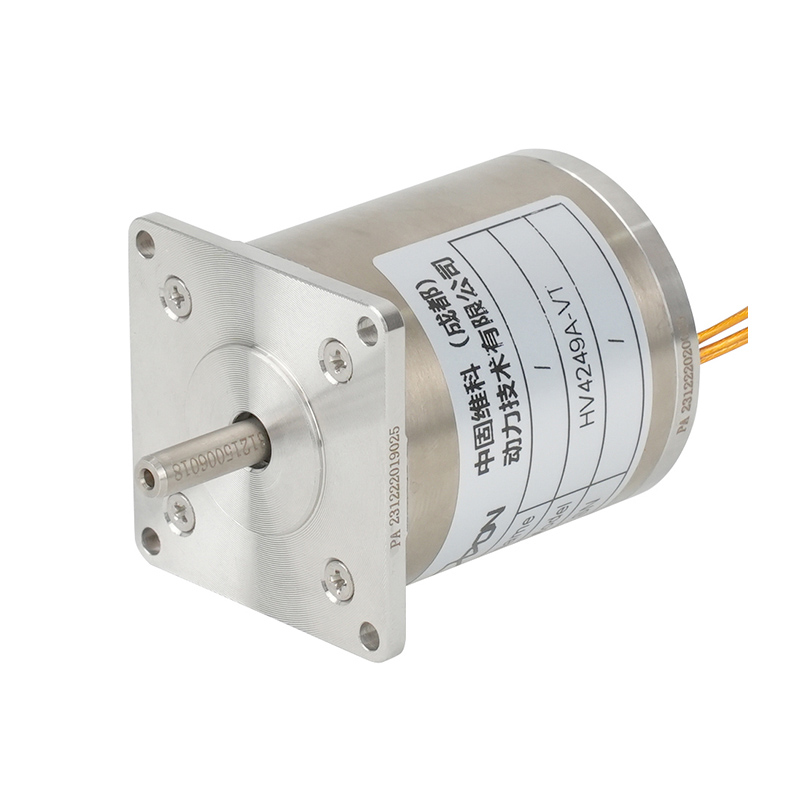
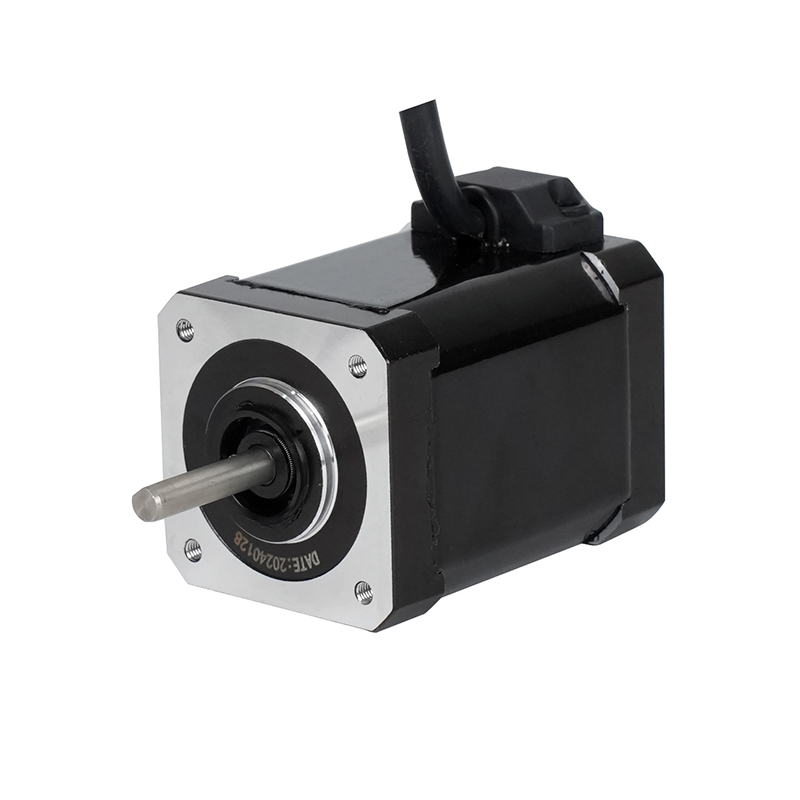
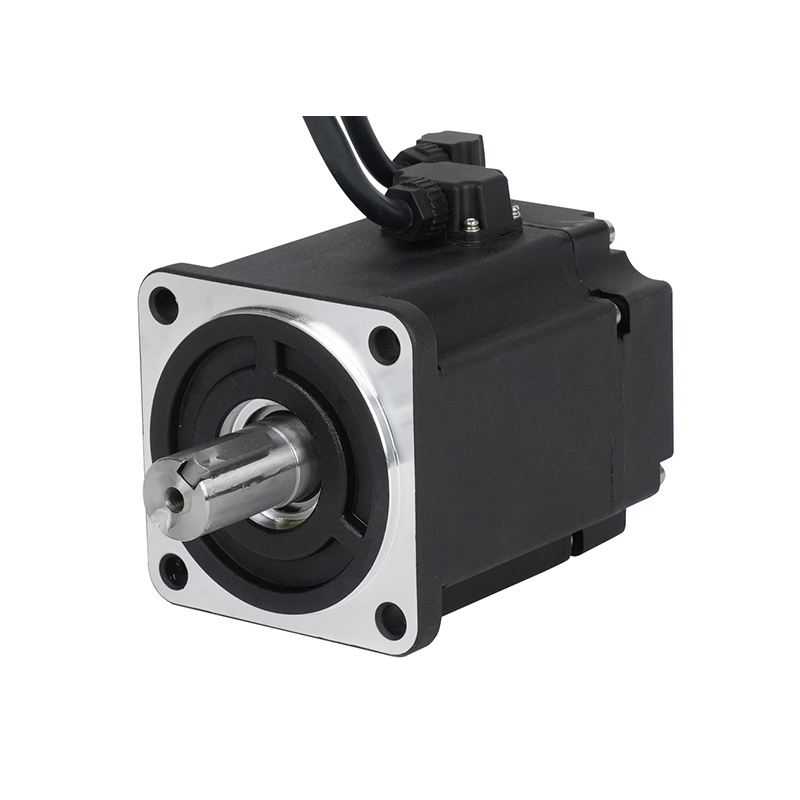
Will high temperature of stepper motor cause step loss

High temperature environment can affect the efficiency and accuracy of stepper motors, which may lead to step loss.

1、 Working principle of stepper motor

A stepper motor is a type of motor that converts electrical pulse signals into rotational angle outputs. Each time a pulse signal is received, the stepper motor rotates a fixed angle, usually 1.8 or 0.9 degrees. Therefore, stepper motors can accurately control the rotation angle and speed, and are often used in mechanical equipment that requires precise control.

2、 The impact of high temperature environment on stepper motors

High temperature environments can have a negative impact on the operation of stepper motors. Firstly, high temperatures can cause the temperature of the coils inside the motor to rise, thereby increasing resistance and affecting motor performance. Secondly, the aerodynamic performance in high-temperature environments is poor, which can reduce the cooling efficiency of the motor. Finally, high temperature may also cause expansion and deformation of motor materials, intensify friction, and affect the accuracy and efficiency of the motor.

3、 Step loss problem of stepper motor in high temperature environment

In high temperature environments, the problem of step loss in stepper motors is quite serious. When the temperature of the motor increases, the resistance of the coil will increase, which will cause a decrease in current and affect the rotation of the motor. In addition, high temperature environments can weaken the cooling efficiency of the motor, further exacerbating the problem of step loss. Therefore, to ensure the stability and accuracy of the stepper motor, special protection and control are required in high-temperature environments.

4、 How to solve the problem of step loss in stepper motors under high temperature environment

To solve the problem of step loss of stepper motors in high temperature environments, we can start from the following aspects:

1. Use high temperature resistant materials: Choosing high temperature resistant materials can reduce the high temperature impact on the motor.

2. Regular motor inspection: Regularly check the temperature and condition of the motor to promptly identify and solve problems.

3. Strengthen cooling measures: Increase cooling measures for the motor, such as adding heat sinks, installing fans, and reducing motor workload.

4. Use temperature sensors: Install temperature sensors to monitor the motor temperature in a timely manner, and issue alarms and handle issues promptly when the temperature is too high.

High temperature environment can have a certain degree of impact on the efficiency and accuracy of stepper motors, and even cause step loss problems. To ensure the stability and accuracy of the stepper motor, it is best to use high temperature resistant stepper motor

Ctrl-Motor is the overseas business office established in Shenzhen by DDON (Chengdu, headquartered in Sichuan, China. The company has a team of nearly 100 senior engineers, specializing in the production of special motors ranging from deep low temperature of - 196°C to ultra - high temperature of +300°C and extreme environments.