Applications of Cryogenic Motors in the Biomedical Industry

The combination of "cryogenic" and "biomedical" often points to high-precision, advanced, and high-value technologies. Here, "cryogenic" typically refers to deep cold environments ranging from -40°C to -196°C (liquid nitrogen temperature) or even lower.

First, why are cryogenic motors needed in these applications?

Standard motors face severe challenges in low-temperature environments:

Material Embrittlement: Lubricants solidify, seals fail, plastic components become brittle.

Performance Degradation: Magnet properties change, potentially leading to torque loss and reduced positioning accuracy.

Condensation Issues: When a motor operating in a cold environment returns to room temperature, moisture condenses on its surface, causing short circuits and corrosion.

Therefore, cryogenic stepper motors are specially designed and manufactured products with the following characteristics:

Special Lubrication: Uses specialized greases that maintain lubricity at low temperatures or solid lubricants.

Material Selection: Employs materials with stable mechanical properties at low temperatures, such as specific stainless steels, low-temperature plastics, and composites.

Thermal Design: Accounts for thermal expansion and contraction of materials under extreme temperature variations to prevent structural damage.

Anti-Condensation Treatment: May involve measures like vacuum encapsulation or filling with inert gas.

Main Application Areas of Cryogenic Motors in the Biomedical Industry,Here are several core and rapidly growing application scenarios:

1. Automated Biobanks

This is the most typical and widespread application. Biobanks are used for the long-term storage of biological samples like blood, tissue, DNA, and cells, typically preserved in -80°C ultra-low freezers or -196°C liquid nitrogen tanks.

Application Scenario: In robotic arms or conveyor systems inside ultra-low freezers or liquid nitrogen tanks.

Motor Role: Drives robotic arms for picking, storing, organizing, and retrieving samples.

Technical Requirements:

High Reliability: If the system fails, repairs require warming the entire storage environment, potentially causing the loss of millions of samples with immense cost. Therefore, motors must be extremely reliable.

Precise Position Control: Needs to accurately locate individual test tubes or cryoboxes within dense sample racks.

Continuous Cryogenic Operation: Motors must operate stably 24/7 in deep cryogenic environments without "seizing" or experiencing insufficient torque.

2. Cryogenic Transfer/Dispensing Systems

In pharmaceutical or biological reagent production processes, liquids or semi-fluids need dispensing, capping, sealing, etc., in low-temperature environments.

Application Scenario: Installed on automated production lines within freezing chambers or glove boxes.

Motor Role: Drives pumps, valves, lead screws, and timing belts to achieve precise volume dispensing and container transfer.

Technical Requirements:

Smooth Motion: Avoids splashing of precious biological materials or bubble generation due to jerky movements.

Corrosion Resistance: May be exposed to trace amounts of chemical reagents or biological vapors.

3. Medical Cryogenic Centrifuges

Certain specialized biological separation processes (e.g., separation and purification of cells, viruses, proteins) need to be performed at low temperatures to preserve biological activity.

Application Scenario: Driving the lid open/close mechanism of centrifuges, or driving rotor balancing systems in large centrifuges.

Motor Role: Provides stable, reliable linear or rotary motion, ensuring automation of operations within cryogenic laboratories.

Technical Requirements:

Rapid Response & High Torque: Especially for lid locking mechanisms, sufficient torque and fast action are required.

Low Vibration: Any excess vibration affects centrifuge balance and sample quality.

4. Cryogenic Microscopy and Imaging Systems

To observe dynamic processes or structures of biological samples (e.g., live cells, tissue sections) at low temperatures, microscopes equipped with cooling stages are used.

Application Scenario: Integrated into the movement control system of the cryogenic sample stage.

Motor Role: Drives precision X-Y-Z movement of the stage, focus adjustment, and objective turret switching.

Technical Requirements:

Ultra-High Precision & Resolution: Microstepping control of the motor must be very fine to achieve sub-micron positioning.

Minimal Heat Generation: Heat generated by motor operation must be minimized to avoid affecting the temperature stability of the sample stage and the sample itself.

No Magnetic Interference: Some imaging techniques (e.g., MRI) are highly sensitive to electromagnetic interference, potentially requiring non-magnetic or low-magnetic models.

5. Automated Cryo-Electron Microscopy Sample Preparation

Cryo-EM is a revolutionary technique in structural biology. Its sample preparation process needs to be performed in a vitrified state at liquid nitrogen temperatures.

Application Scenario: In automated plunge freezers or cryo-milling instruments.

Motor Role: Controls critical parameters like the plunge speed of the sample rod, contact force and time of blotting paper, etc.

Technical Requirements:

Extremely High Repeatability: The success rate of sample preparation highly depends on the repeatability of each step.

Compatibility with High & Low Speeds: Requires both rapid plunging and fine micro-adjustment movements.

Future Trends:

With the rapid development of precision medicine, gene therapy, and biopharmaceuticals, the demand for automated and intelligent cryogenic processing equipment is growing increasingly strong. As the core drive component of this equipment, the precision, reliability, integration, and intelligence (e.g., built-in sensor feedback) of cryogenic motors will continue to improve to meet more demanding future application requirements.

A Complete Guide to ISO 37 Testing Solution

A Complete Guide to ISO 37 Testing Solution
This standard specifies methods for determining the tensile stress-strain properties of vulcanized rubber and thermoplastic rubber. Measurable properties include tensile strength, elongation at break, stress at a given elongation, elongation at a given stress, yield stress, and yield elongation. However, the measurement of yield stress and yield elongation is applicable only to certain thermoplastic rubbers and specific compounds.

Scope and Purpose of the Standard

ISO 37 applies to various vulcanized rubbers (e.g., natural rubber, synthetic rubber) and thermoplastic rubbers (e.g., TPE, TPU). It is widely used for evaluating the performance of products such as automotive components, seals, tires, and conveyor belts. The standard aims to reveal the mechanical behavior of materials under stress through tensile testing, ensuring they meet the requirements of specific application scenarios.

Test Principle and Key Requirements

ISO 37 employs the Constant Rate of Extension (CRE) method. By stretching the specimen to failure, it records changes in force and displacement to calculate key performance indicators. Core requirements include:

  • Specimen Types: Multiple standard specimen shapes are provided, such as dumbbell-shaped (Types 1, 2, 3, 4) and ring specimens. Dumbbell-shaped specimens are most commonly used, with dimensions precise to the millimeter level.
  • Extension Speed: The default speed is 500 mm/min (±50 mm/min), but it can be adjusted based on material properties (e.g., reduced to 200 mm/min for stiffer materials).
  • Gripping Devices: Grips must prevent specimen slippage, ensure uniform clamping force, and avoid premature tearing.
  • Test Environment: Temperature 23±2°C, relative humidity 50±10%. Adjustments per ISO 23529 permitted under special conditions.

Measurement Parameters:
  • Tensile Strength: Maximum stress at specimen fracture (unit: MPa).
  • Elongation at Break: Percentage increase in length relative to initial length at fracture.
  • Stress at Specified Elongation: Stress values at elongations such as 100% or 300%.
  • Tensile Yield Point (if applicable): Yield stress for certain thermoplastic rubbers.

Testing Equipment

Universal Testing Machine is designed for conducting tensile, compression, bending, shearing, bonding strength, peeling, tearing and other tests for shoes ,rubber, plastic, leather, metal, nylon line, fabric, paper, aviation, packaging, construction, petrifaction, electrician, vehicle and other materials. It is a basic equipment of quality control, receiving inspection, physical test, mechanics research, material development.

The IOS 37 universal testing machine also complies with multiple international standards:

SATRA TM5, TM53, TM52, TM51, TM108, TM113, TM117, TM118, TM120, TM123, TM149, TM162, TM401, TM 411, TM 410,

ASTMD 751/2209 /412/624/3512 FIA 1206,

BS 5131- 3.7, 5.11, 5.13 , BS 5131-2.6

ISO 22650, ISO 19958, ISO 3377-1, ISO 3377-2, ISO 11644, ISO 20866, ISO 20867, ISO19957, ISO20874, ISO20344-5.2.4, ISO 20345-5.3.1.2, ISO17698, ISO20875, ISO22777, ISO22776, ISO22654, ISO20863, ISO20876, ISO17695, ISO17697, ISO34-1, ISO36, ISO37, ISO 17708, ISO 17696, ISO17706, ISO 22650

AS/NZS 2210.2-5.2.4

DIN 53331,

GB/T 3903.8, GB/T 3903.9, GB/T3903.14 ,GB/T3903.20, GB/T3903.21, GB/T3903.22, GB/T 3903.23 , GB/T 3903.24, GB/T 3903.25, GB/T 3903.26, GB/T 3903.29, GB/T3903.32,GB/T 3903.39,GB/T 3903.40, GB/T 3903.43, GB/T 4689.20, GB/T20991-5.2.4, GB 21148-5.3.1.2, GB/T 17928, GB/T529, GB/T528, GB/T532, GB/T11413, GB/T21396

QB/T 2711, QB/T2675, QB/T2883, QB/T4118, QB/T4198

HG/T 2726, HG/T 2877, HG/T4805

ASTM D1777 Textile Thickness Tester - A Comprehensive Guide

ASTM D1777 Textile Thickness Gauge - A Comprehensive Guide
In the quality control and performance evaluation of textile materials, precise thickness measurement plays a pivotal role. It not only affects the product's visual texture but also directly impacts the durability, warmth retention, and comfort of textiles. To standardize and unify textile thickness testing methods, the American Society for Testing and Materials (ASTM) established the ASTM D1777 standard, providing a scientific and reliable basis for measuring textile material thickness.

What is the ASTM D1777

This method is used to measure the thickness of most textile materials under standard pressure. The results can be applied to quality control, product development, and commercial acceptance.

Similar Test Methods to ASTM D1777


Apart from ASTM D1777 standard test method, different areas of the world also use other standards for measuring fabric and non-woven materials’ thickness. Some of them are listed below

GB/T3820 – Determination of thickness of textiles and textile products
GB/T24218.2 – This method deals with test methods for nonwovens. Part 2: Determination of thickness
ISO 5084-1996 – Determination of thickness of textiles and textile products
Each standard has its own method and should be understood before following.

ASTM D1777 Testing Devices

GESTER manufactures multiple instruments and equipment to support thickness testing of textile materials according to ASTM D1777 standards. Below are some of the most popular instruments and equipment:

Electronic Thickness Tester for Textile Fabric GT-C46-2
GT-C46 Thickness Gauge is used to determine of thickness of textiles and textile products, and suitable for measurement of various kind of woven, knitted fabrics and other uniform thin materials. This machine is widely used in cotton textile, knitted textile, coverlet, handkerchief, and paper making industries.

Fabric thickness tester Standards:
ISO 5084, ISO 9073.2, ISO 2589, ASTM D1777

Digital Thickness Tester GT-C46-1

This Digital Thickness Tester can used to test the thickness of variety soft fabrics.


  • The simple structure is easy to operate.
  • Digital display with accuracy of 0.01mm.
  • fabric thickness measurement Can customized different presser foot and weights.

How to Perform a Tensile Strength Test According to ASTM D412

How to Perform a Tensile Strength Test According to ASTM D412
ASTM D412 is the most common standard for determining the tensile properties of vulcanized (thermoset) rubber and thermoplastic elastomers. Compounds in this family are used to create a vast array of consumer goods such as tires, footballs, and rubber bands.

What does it Measure?

ASTM D412 measures the elasticity of a material while under tensile strain, as well as its behavior after testing when the material is no longer being stressed. ASTM D412 is conducted on a universal testing machine (also called a tensile testing machine) at a rate of 500 ± 50 mm/min until the specimen fails. Though ASTM D412 measures many different tensile properties, the following are the most common:

  • Tensile strength – the maximum tensile stress applied in stretching a specimen to rupture.
  • Tensile stress at a given elongation – the stress required to stretch the uniform cross-section of a test specimen to a given elongation.
  • Ultimate elongation – the elongation at which rupture occurs in the application of continued tensile stress.
  • Tensile set – the extension remaining after a specimen has been stretched and allowed to retract in a specified manner, expressed as a percentage of the original length.

When your rubber or elastomer components need reliable performance validation, GESTER delivers precise, reliable ASTM D412 testing services to help ensure your products meet quality and regulatory requirements.

Universal Testing Machine for Footwear (Dual Column) GT-K01

GESTER universal tensile tester is designed for conducting tensile, compression, bending, shearing, bonding strength, peeling, tearing and other tests for shoes ,rubber, plastic, leather, metal, nylon line, fabric, paper, aviation, packaging, construction, petrifaction, electrician, vehicle and other materials. It is a basic equipment of quality control, receiving inspection, physical test, mechanics research, material development.

GESTER universal tensile tester

Tensile strength tester Standards:
SATRA TM5, TM53, TM52, TM51, TM108, TM113, TM117, TM118, TM120, TM123, TM149, TM162, TM401, TM 411, TM 410,

ASTMD 751/2209 /412/624/3512 FIA 1206,

BS 5131- 3.7, 5.11, 5.13 , BS 5131-2.6

ISO 22650, ISO 19958, ISO 3377-1, ISO 3377-2, ISO 11644, ISO 20866, ISO 20867, ISO 19957, ISO 20874, ISO 20344-5.2.4, ISO 20345-5.3.1.2, ISO 17698, ISO 20875, ISO 22777, ISO 22776, ISO 22654, ISO 20863, ISO 20876, ISO 17695, ISO 17697, ISO34-1, ISO36, ISO37, ISO 17708, ISO 17696, ISO 17706, ISO 22650

AS/NZS 2210.2-5.2.4

DIN 53331,

GB/T 3903.8, GB/T 3903.9, GB/T3903.14 ,GB/T3903.20, GB/T3903.21, GB/T3903.22, GB/T 3903.23 , GB/T 3903.24, GB/T 3903.25, GB/T 3903.26, GB/T 3903.29, GB/T3903.32,GB/T 3903.39,GB/T 3903.40, GB/T 3903.43, GB/T 4689.20, GB/T20991-5.2.4, GB 21148-5.3.1.2, GB/T 17928, GB/T529, GB/T528, GB/T532, GB/T11413, GB/T21396

QB/T 2711, QB/T2675, QB/T2883, QB/T4118, QB/T4198

HG/T 2726, HG/T 2877, HG/T4805

Features of Tensile Testing Machine for Rubber

1.The power system: servo motor and servo drivers and worm gear and rod reducer and ball screw.

2.Control system: adopting Pulse Command control method, it will be more accuracy and easy to control.

2.The speed control range: 0.001-500mm or 0.001-1000mm/min ( option)

3.The Universal Tensile Testing Machine intermediate plate adjustment is both fast coarse and slow fine-tuning.

4.It will return to original site and save automatically ater testing.

5.Data transmission mode: RS232 transmission.

6. This Universal Testing Machine can realize constant speed, positioning, constant power, constant stroke control mode and multi-level control mode which can meet the test requirements of the ordinary.

7. Testing space: test width is 400 mm (standard)

8. All plate walking space: 1200 mm (excluding fixture, according to the customer requirements).

9. The entire displacement: the encoder is 1800 P/R, it can improve 4 times accuracy

10.Universal Tensile Testing Machine Using the LINE DRIVE encoder strong anti-interference ability displacement resolution 0.001 mm.

11.Safety device: overload emergency stop device, up and down stroke limit device, leakage automatic blackout system, automatic breakpoint stop function.

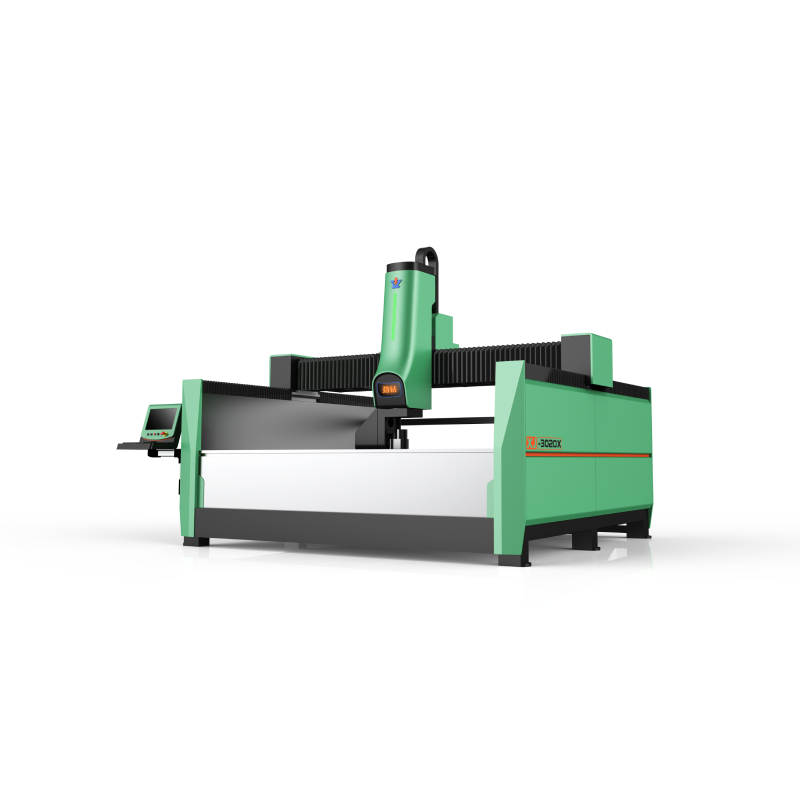
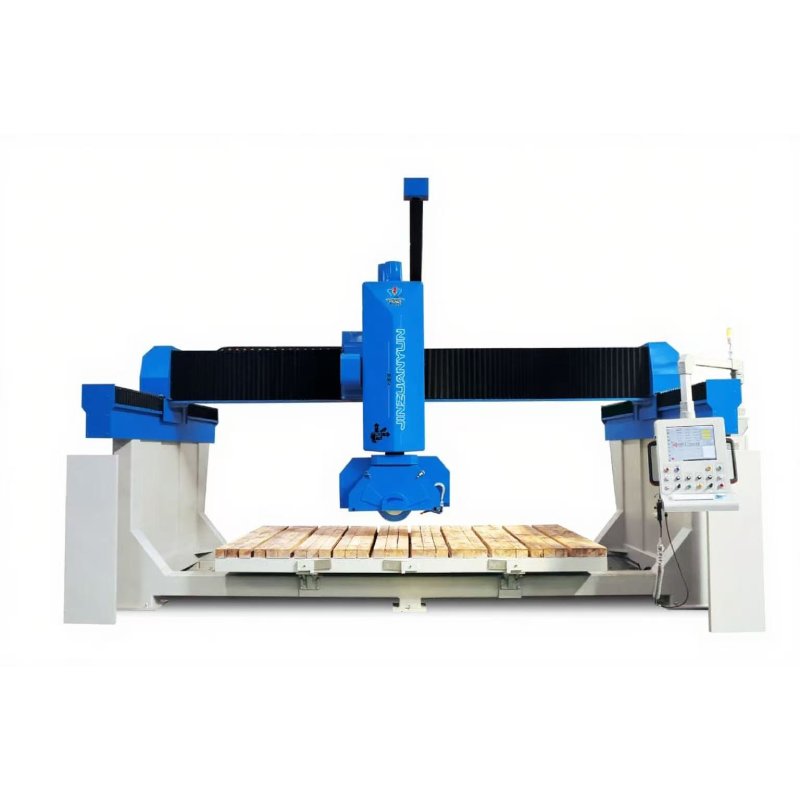
5-Axis Stone Cutting Machines Redefining Precision and Possibilities in Stone Processing

Stone, a material steeped in history and revered for its durability and aesthetic appeal, has long been a cornerstone of architecture, design, and art. Yet, working with stone—especially hard varieties like granite, basalt, and quartzite—has always posed unique challenges. Traditional cutting methods often struggle with complexity, precision, and efficiency, limiting what’s achievable. Enter 5-axis stone cutting machines—a technological leap that’s transforming the stone processing industry by turning once-impossible designs into reality, all while boosting productivity and reducing waste.

5-axis stone cutting machines


The Core Advantages: Why 5-Axis Stands Out for Stone Cutting

To understand the impact of 5-axis stone cutting machines, it’s essential to contrast them with their 3-axis counterparts. While 3-axis machines move along the X, Y, and Z linear axes, 5-axis systems add two rotational axes (usually A and C, or B and C). This extra mobility isn’t just a minor upgrade—it’s a game-changer for stone, a material that demands both care and precision. Here’s how their key features elevate stone cutting:


1. Unrivaled Flexibility for Complex Cuts

Stone projects often require more than straight lines—think curved kitchen countertops, sculpted building facades, or custom stone arches. 3-axis machines hit a wall here: to reach all angles of a complex design, operators must repeatedly reposition the stone, increasing the risk of misalignment and errors. 5-axis machines eliminate this hassle. Their spindle (the component holding the cutting tool) can tilt and rotate freely around the stone, accessing every nook and cranny in a single setup. This means seamless, continuous cuts for organic shapes, intricate reliefs, and even 3D sculptural elements—no more disjointed seams or compromised designs.


2. Pinpoint Precision for Flawless Results

Stone is unforgiving: a tiny miscalculation can ruin an expensive slab. 5-axis stone cutters are engineered for accuracy, with heavy-duty frames that minimize vibration (a major enemy of precision) and advanced feedback systems (such as linear encoders) that ensure cuts are consistent to within 0.005mm. This level of precision is critical for applications like luxury bathroom vanities, where stone slabs must fit perfectly with fixtures, or architectural details that need to match digital blueprints exactly. For example, when crafting a marble tabletop with a curved edge and integrated drainage groove, a 5-axis machine ensures every curve and groove is uniform, with no uneven spots.


3. Reduced Waste, Lower Costs

Stone slabs are costly—wasting even a small section due to a cutting mistake can translate to hundreds or even thousands of dollars in losses. 5-axis machines address this with intelligent tool path optimization. Their software analyzes the stone slab (including natural features like veins or small cracks) and maps out the most efficient cutting route, maximizing the use of the material. Additionally, since there’s no need for repositioning, there’s less risk of accidental damage during handling. Studies show that 5-axis machines reduce stone waste by 20-40% compared to 3-axis systems, a significant saving for businesses operating on tight margins.


4. Versatility Across Stone Types

Not all stones are created equal: marble is soft and porous, granite is dense and hard, and limestone is prone to chipping. 5-axis stone cutting machines adapt to these differences effortlessly. They support a wide range of cutting tools—from diamond-tipped blades for rough shaping to fine engraving tools for delicate details—and their software lets operators adjust key parameters (cutting speed, feed rate, spindle power) based on the stone’s hardness and texture. This versatility means one machine can handle everything from cutting large granite slabs for commercial flooring to carving intricate marble accents for high-end homes.


Real-World Applications: Where 5-Axis Stone Cutters Make a Difference

The flexibility and precision of 5-axis technology have made it a staple in several key industries. Here are some of the most impactful use cases:


1. Architectural and Construction

Architects and construction firms rely on 5-axis machines to create custom stone elements that define a building’s character. For instance, a modern skyscraper might use 5-axis-cut stone facade panels with curved edges and 3D-engraved patterns to stand out from the crowd. Historic restoration projects also benefit: when restoring a centuries-old church with damaged stone columns, a 5-axis machine can scan the original column, then cut a replacement that matches every detail—from the fluting to the decorative capitals—with perfect accuracy.


2. Residential and Commercial Interior Design

Interior designers are using 5-axis stone cutters to craft one-of-a-kind pieces that elevate living and working spaces. In kitchens, this means countertops with seamless curves, built-in cutting boards, or even personalized engravings (like a family’s initials). In hotels and restaurants, 5-axis-cut stone bar tops with organic shapes or marble wall panels with intricate reliefs add a touch of luxury. For example, a high-end hotel in Paris used a 5-axis machine to create a marble reception desk with a flowing, wave-like design—something that would have been nearly impossible to achieve with traditional methods.


3. Memorial and Monument Industry

Memorials, tombstones, and mausoleums require both precision and emotional resonance. 5-axis machines excel here, allowing for detailed engravings of portraits, religious symbols, or even 3D reliefs of loved ones. Unlike hand carving, which can take weeks and may vary in quality, a 5-axis machine can produce a custom tombstone in 1-2 days, with crisp, consistent details that honor the deceased. For a war memorial, 5-axis cutting can also create uniform stone plaques with the names of fallen soldiers—ensuring every name is clear and perfectly aligned.


4. Art and Sculpture

Artists are pushing the boundaries of stone art with 5-axis technology. Sculptors can now translate digital sketches into large-scale stone sculptures with complex, interlocking forms. For example, an artist might design a abstract marble sculpture with twisting curves and hollowed-out sections—details that would be physically exhausting and time-consuming to carve by hand. The 5-axis machine handles the rough cutting, allowing the artist to focus on refining the details, saving time while preserving their creative vision.


The Future of 5-Axis Stone Cutting: What’s Next?

As technology evolves, 5-axis stone cutting machines are becoming even more powerful. Two trends to watch include:

AI-Driven Efficiency: New software uses artificial intelligence to analyze stone slabs in real time, identifying flaws (like cracks or weak spots) and adjusting the cutting path to avoid them. This not only reduces waste but also ensures the final product is structurally sound. AI can also predict tool wear, alerting operators when to replace a blade—preventing errors caused by dull tools.

Integration with 3D Scanning and Printing: Pairing 5-axis machines with 3D scanners lets operators create digital replicas of existing stone pieces, making restoration and customization easier than ever. Some manufacturers are even exploring 3D printing of stone dust (a byproduct of cutting) into new materials, which can then be cut with 5-axis machines—creating a more sustainable, circular process.


Is a 5-Axis Stone Cutting Machine Right for Your Business?

If your business focuses on:

Creating complex, custom stone designs that 3-axis machines can’t handle

Reducing material waste and lowering production costs

Working with a variety of stone types while maintaining consistent quality

Then a 5-axis stone cutting machine is a smart investment. While the upfront cost is higher than 3-axis systems, the long-term savings in time, waste, and labor—plus the ability to take on more complex projects—make it a worthwhile choice for growing businesses.


In the world of stone processing, 5-axis cutting machines aren’t just tools—they’re enablers. They turn bold ideas into tangible, lasting stone creations, whether it’s a skyscraper’s facade, a family’s memorial, or an artist’s masterpiece. As technology continues to advance, the possibilities for what we can create with stone are only going to expand—and 5-axis machines will be at the center of it.

5-Axis Stone Engraving Machines Revolutionizing Stone Fabrication with Precision and Versatility​

In the world of stoneworking, where durability meets artistry, the tools that shape natural stone have evolved dramatically over the decades. From traditional chisels and hammers to computer numerical control (CNC) routers, each innovation has pushed the boundaries of what’s possible with granite, marble, limestone, and other hard stone materials. Today, 5-axis stone engraving machines stand at the forefront of this evolution, redefining efficiency, precision, and design freedom for craftsmen, architects, and manufacturers alike.​

Stone Engraving Machine

What Makes 5-Axis Stone Engraving Machines Unique?

Unlike 3-axis machines, which operate along the X, Y, and Z linear axes, 5-axis systems add two rotational axes (typically A and C, or B and C). This extra degree of movement isn’t just a “nice-to-have”—it’s a game-changer for stone, a material known for its density and brittleness. Let’s break down their core features and why they matter for stone fabrication:​


1.Unmatched Maneuverability for Complex Shapes​

Stone carving often demands intricate details: curved countertops, sculptural facades, or custom (tombstones) with 3D reliefs. 3-axis machines struggle here—they require repositioning the stone multiple times to access hard-to-reach areas, increasing the risk of errors and material waste. With 5 axes, the spindle (the part that holds the cutting tool) can tilt and rotate around the stone, reaching every angle in a single setup. This means no more manual adjustments, no more mismatched seams, and the ability to create seamless, organic shapes that were once impossible with CNC technology.​


2. High Precision Even on Hardest Stones​

Granite, with a Mohs hardness rating of 6-7, can wear down tools and compromise accuracy if a machine lacks stability. 5-axis stone engravers are built with heavy-duty frames, high-torque motors, and advanced feedback systems that ensure every cut is precise to within 0.01mm. This level of accuracy is critical for applications like kitchen countertops, where tight seams between stone slabs must be invisible, or architectural details that need to match digital designs exactly.​


3. Reduced Material Waste and Faster Production​

Stone is expensive—wasting even a small slab due to a cutting error can cost hundreds of dollars. 5-axis machines minimize waste by optimizing tool paths: their software calculates the most efficient way to carve, avoiding overcuts and ensuring maximum use of each slab. Additionally, since they don’t require repositioning, production times are cut by 30-50% compared to 3-axis machines. For manufacturers handling large orders, this speed translates to faster turnaround and higher profit margins.​


4. Compatibility with Diverse Stone Types​

Whether you’re working with soft marble (ideal for sculptures) or dense basalt (used in outdoor paving), 5-axis machines adapt. They support a range of cutting tools—from diamond-tipped end mills for fine detailing to large routers for rough shaping—and their software allows operators to adjust parameters (speed, feed rate, spindle power) based on the stone’s properties. This versatility means one machine can handle multiple projects, from delicate art pieces to heavy-duty construction components.​


Real-World Applications: Where 5-Axis Stone Engravers Shine​

The flexibility of 5-axis technology makes it indispensable across several key industries. Here are some of the most impactful use cases:​


1. Architectural Stonework​

Architects and builders rely on 5-axis machines to create custom stone elements that elevate a building’s design. Think curved stone columns for a historic-style museum, 3D-engraved facade panels for a modern office tower, or intricate cornices that replicate classical designs. 


2. Custom Furniture and Interior Design​

Kitchen and bathroom designers are using 5-axis machines to craft one-of-a-kind countertops with curved edges, integrated sinks, or even personalized engravings (like family crests or quotes). In luxury homes, marble fireplace surrounds with sculpted floral patterns or granite coffee tables with organic, flowing shapes are now easier to produce—all thanks to the machines’ ability to carve complex curves without seams.​


3. Memorial and Monument Creation​

Tombstones, mausoleums, and war memorials require both precision and sentimentality. 5-axis engravers can etch high-resolution portraits, detailed religious symbols, or even 3D reliefs of loved ones into stone—something that was once only possible with skilled hand carvers (and took weeks to complete). Today, a memorial company can produce a custom tombstone in 1-2 days, with details that honor the deceased more accurately than ever before.​


4. Art and Sculpture​

Contemporary artists are pushing the limits of stone art with 5-axis technology. Sculptors like Italy’s Marco Guazzini use 5-axis machines to create abstract marble pieces with smooth, interlocking curves that would be physically impossible to carve by hand. The machines allow artists to translate digital sketches directly into stone, preserving their creative vision while saving time on labor-intensive rough work.​


The Future of Stone Fabrication: What’s Next for 5-Axis Tech?​

As technology advances, 5-axis stone engraving machines are only getting better. Here are two trends to watch:​


AI-Powered Tool Path Optimization: New software uses artificial intelligence to analyze stone slabs (including natural flaws like veins or cracks) and adjust tool paths in real time. This not only reduces waste but also ensures that flaws are hidden in non-visible areas of the final product.​


Integration with 3D Scanning: Pairing 5-axis machines with 3D scanners allows for “reverse engineering” of existing stone pieces. For example, if a historic building’s stone window sill is damaged, a scanner can capture its exact dimensions, and the 5-axis machine can carve an identical replacement—no manual measurements needed.​


Is a 5-Axis Stone Engraving Machine Right for You?​

If you’re a stone fabricator, artist, or architect looking to:​

Create complex, seamless designs that 3-axis machines can’t handle​

Reduce material waste and speed up production​

Work with a wide range of stone types without compromising precision​

Then a 5-axis stone engraving machine is an investment worth considering. While the initial cost is higher than 3-axis systems, the long-term savings in time, waste, and labor more than make up for it.​


In the end, 5-axis technology isn’t just about making stoneworking easier—it’s about unlocking the full potential of stone as a material. Whether you’re building a skyscraper, designing a home, or creating a work of art, these machines are helping turn bold ideas into tangible, lasting reality.

Stone Profiling Machines Challenging Stone Processing with Precision and Efficiency​

When it comes to stone processing—whether for grand architectural projects or intricate decorative pieces—precision, consistency, and efficiency are non-negotiable. This is where stone profiling machines step in, transforming raw stone blocks into polished, custom-shaped products that define modern design.

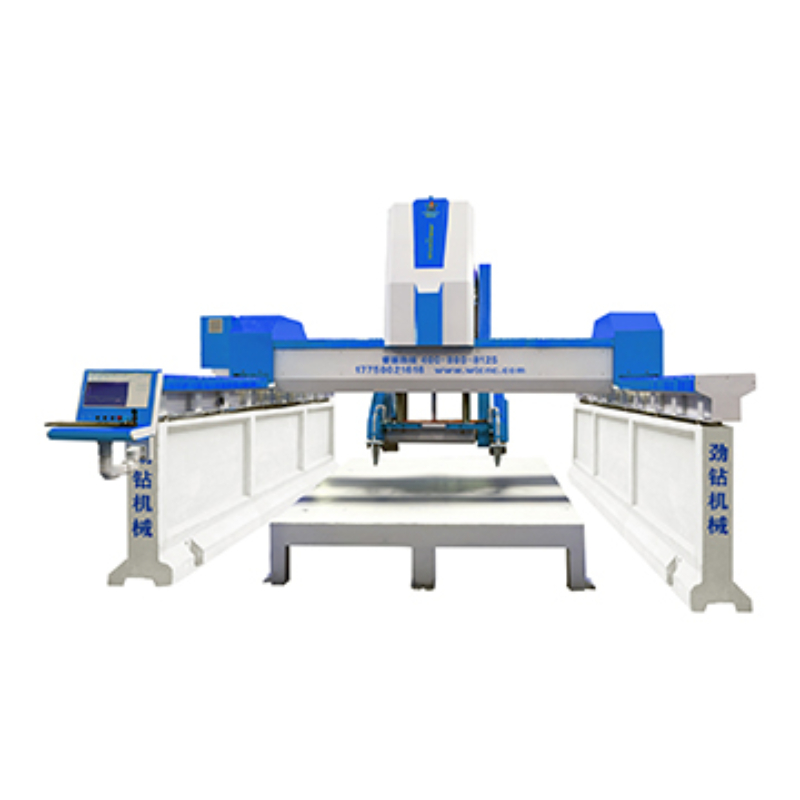
stone profiling machines

1. Core Functional Features of Stone Profiling Machines​

Stone profiling machines are engineered to handle the unique hardness and texture of natural and engineered stones (e.g., marble, granite, quartz, limestone). Their key functions are tailored to simplify complex shaping tasks while maintaining accuracy:​


1).Custom Shaping & Profiling: The primary function is to create precise, repeatable profiles on stone edges or surfaces. This includes straight edges, bevels, arcs, bullnoses, ogees, and even intricate decorative patterns (e.g., floral motifs or geometric designs). Unlike manual tools, which rely on human skill and often produce inconsistent results, these machines use pre-programmed templates or CAD designs to replicate shapes flawlessly across hundreds of pieces.​


2).Multi-Axis Processing: Advanced models feature 3-axis, 4-axis, or even 5-axis systems, allowing them to work on multiple sides of a stone block simultaneously. This capability is critical for 3D stone products, such as curved countertops, column capitals, or sculptural elements, where precision across all dimensions is essential.​


3).Integrated Polishing: Many modern stone profiling machines combine shaping and polishing in one workflow. After cutting or profiling, built-in polishing heads (with varying grits) smooth the stone surface to a high gloss, eliminating the need for separate equipment and reducing production time.​


4).Automated Material Handling: To boost efficiency, most machines include automated conveyors, clamps, or robotic arms that load/unload stone slabs. This minimizes manual labor, reduces the risk of injuries, and ensures consistent processing speeds.​


5).Real-Time Monitoring & Adjustment: Equipped with sensors and cameras, these machines track cutting depth, pressure, and surface quality in real time. If deviations are detected (e.g., a stone slab with uneven thickness), the system automatically adjusts parameters to maintain precision—avoiding wasted materials and rework.


2. Technical Advantages That Outperform Traditional Methods

Traditional stone processing relies on hand tools (e.g., chisels, grinders) or basic machines, which are slow, labor-intensive, and prone to errors. Stone profiling machines address these limitations with cutting-edge technology, offering unmatched benefits:


1).Superior Precision: Using CNC (Computer Numerical Control) technology, these machines achieve tolerances as tight as ±0.1mm. This is critical for projects like kitchen countertops (where edges must align perfectly) or historical building restorations (where stone pieces must match original designs).


2).Unmatched Efficiency: A single stone profiling machine can process 5–10 times more stone than a team of manual workers. For example, profiling the edges of 10 marble countertops might take 8 hours manually, but a CNC profiling machine can complete the task in 1–2 hours—freeing up labor for other high-value tasks.


3).Reduced Material Waste: Manual cutting often results in 15–20% material waste due to human error. With pre-programmed designs and real-time adjustments, stone profiling machines cut waste to 5% or less. This is a significant cost-saver, especially for expensive stones like rare granite or marble.


4).Versatility Across Stone Types: Whether working with soft limestone or ultra-hard granite, these machines adapt to different material properties. They adjust cutting speed, blade pressure, and polishing grits based on the stone’s hardness, ensuring optimal results without damaging the material.


5).Consistency at Scale: For large projects (e.g., hotel lobbies, shopping malls, or residential complexes), consistency is key. Stone profiling machines replicate the same profile across every stone piece—no matter how many are produced. This eliminates the “handmade” variation that can ruin the aesthetic of a cohesive design.


6).Ease of Use & Programming: Modern machines come with user-friendly interfaces that allow operators to upload CAD designs, adjust parameters, or save templates with just a few clicks. Even operators with minimal technical experience can learn to use them quickly, reducing training time and human error.


3. Key Application Scenarios in the Stone Industry

1).Architectural Curved Decoration: Processes arc plates for building exteriors/interiors, such as curved wall claddings, circular column casings, and arc cornices, enhancing architectural aesthetics.​


2).Countertop & Vanity Edge Arc Processing: Creates curved edges (e.g., bullnose, half-round arcs) on stone countertops (marble, granite) and vanity tops, ensuring safe use and sleek appearance.​


3).Landscape Curved Elements: Fabricates arc-shaped stone components like curved garden benches, circular fountain rims, and arc paved borders, fitting natural landscape layouts.​


4).Tombstone Curved Details: Adds arc plates to tombstones/memorials, such as curved top edges or arc decorative panels, enriching the memorial’s design.​


5).Curved Stone Artworks: Produces arc-structured stone crafts (e.g., curved figurine bases, circular decorative plates) for artistic displays, leveraging precise arc processing.


Final Thoughts: Why Stone Profiling Machines Are a Must-Have​

In an industry where precision, efficiency, and cost-saving matter, stone profiling machines are no longer a luxury—they’re a necessity. They eliminate the limitations of manual processing, reduce waste, and open up new possibilities for design (e.g., complex 3D shapes that were once impossible to achieve). Whether you’re a large-scale stone manufacturer or a small artisan, investing in a stone profiling machine can help you stay competitive, meet client demands faster, and deliver high-quality products that stand out.​


As technology continues to advance, we can expect even more innovations in stone profiling—from AI-powered design tools to faster processing speeds. For now, though, these machines are already transforming the stone industry—one precise cut at a time.

What Is a Hydraulic Cylinder and How Does It Work


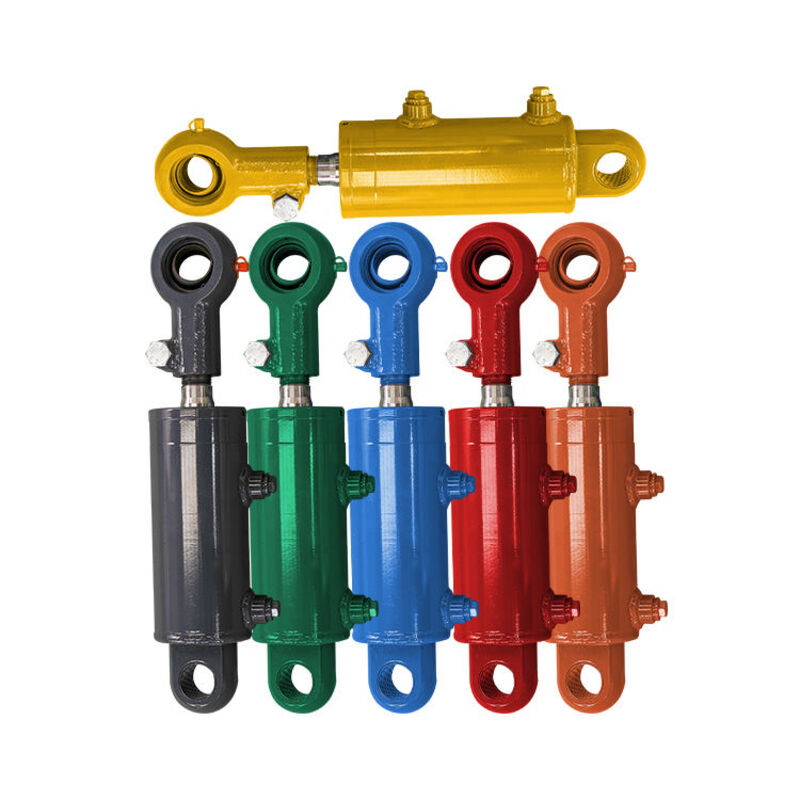
A hydraulic cylinder uses pressurized fluid to make force and movement in a straight line. You can find this device in many machines that need to press, pull, push, or lift heavy things. For example, you see small hydraulic cylinders working in forklifts, excavators, and trash compactors. These cylinders also help lift buildings, process food, and control farming equipment. They are very important in construction, waste management, mining, metal production, and farming.


Hydraulic Cylinder Overview

Definition

Some people call a hydraulic cylinder a hydraulic actuator. This device makes force and movement in a straight line by using pressurized fluid.

  • A hydraulic cylinder is a mechanical actuator. It gives force in one direction with a single stroke.

  • It turns hydraulic energy into mechanical movement. This makes the cylinder move in a straight line.

  • You can find hydraulic cylinders in machines like construction equipment, manufacturing tools, elevators, and civil engineering projects.


Hydraulic cylinders are special because they can make very strong forces.

  • These cylinders usually work at pressures from 1800 to 3000 psi. Some can go up to 5000 psi.

  • The force comes from multiplying the pressure by the area inside the cylinder.

  • Even small cylinders can lift or push heavy things. For example, a 3-inch bore cylinder at 2200 psi can move about 15,000 pounds. A 5-inch bore cylinder can move around 43,000 pounds.

Tip: Use hydraulic cylinders when you need strong and steady movement in a straight line.


Purpose

A stainless steel hydraulic cylinder changes the energy in hydraulic fluid into force. This force moves the piston inside the cylinder. The piston then moves the machine part that is attached to it. Hydraulic cylinders help you control heavy machines with smooth and exact motion. These devices are important in many machines because they give high force for less money. You will see them in factory automation. Their tough and simple designs make them easy to use. Hydraulic cylinders give you a low cost for each unit of force compared to electric actuators.


How Hydraulic Cylinders Work

Principle

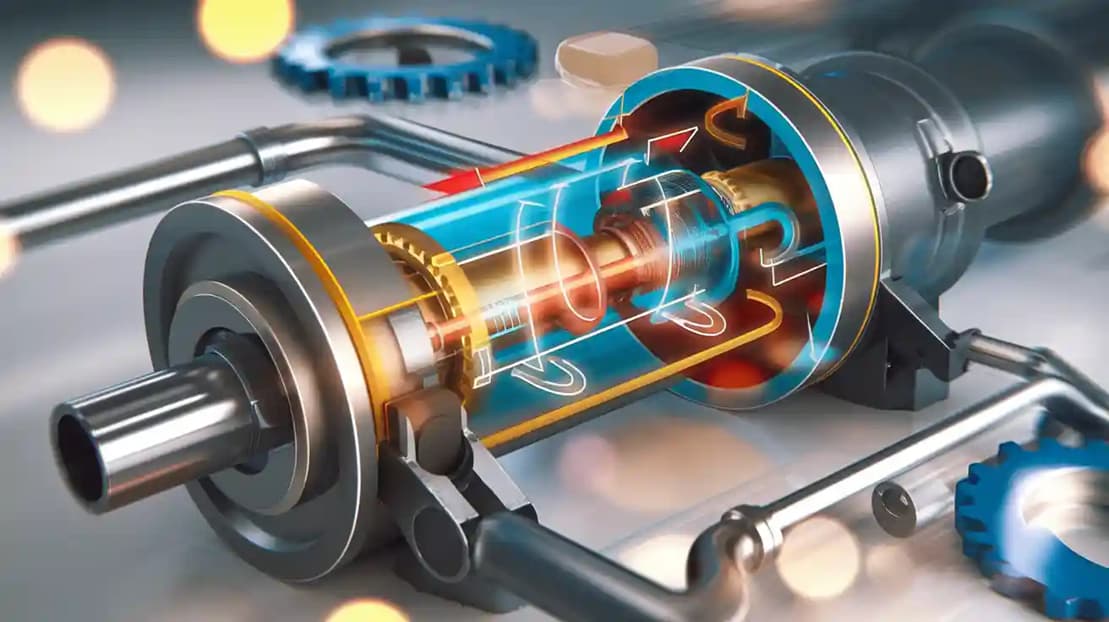
A hydraulic cylinder changes fluid pressure into straight movement. When you put pressurized fluid in the cylinder, it pushes a piston. This force moves the piston forward. The piston then moves the machine part connected to it. The force depends on fluid pressure and piston size.

Pascal’s principle says pressure spreads everywhere in the fluid. The pressure is the same at both pistons. So, p1 equals p2. Since p2 equals F2 divided by A2, we get (\frac{F1}{A1}=\frac{F2}{A2}.) This shows how force and area work together in hydraulic systems. This works if pistons are level and there is little friction.


This principle lets hydraulic cylinders lift or push heavy things. You only need a small amount of fluid pressure. The movement stays smooth and easy to control.


Hydraulic cylinders have different pressure levels. Here is a table that shows common pressure ranges and uses:

Cylinder Type

Pressure Range

Applications

Low-Pressure Cylinders

Up to 1,000 PSI

Light jobs like farm equipment

Medium-Pressure Cylinders

1,000 to 3,000 PSI

Building machines and factory tools

High-Pressure Cylinders

Over 3,000 PSI

Tough jobs like mining and steel work


Operation Steps

You can split how a hydraulic cylinder works into easy steps:

  1. Start the System: Turn on the hydraulic pump. The pump sends pressurized fluid into the cylinder.

  2. Fluid Enters the Cylinder: Fluid goes into one side of the cylinder. This makes pressure push against the piston.

  3. Piston Moves: Pressure pushes the piston forward. The piston rod comes out and moves the machine part.

  4. Control the Direction: Valves change where the fluid goes. You can make the piston go out or come back in.

  5. Retraction: To pull the piston back, fluid moves to the other side. Sometimes springs or gravity help bring the piston in.

  6. Cycle Repeats: You can do these steps again and again for your job.


Here is a table that lists important parts and what they do when the piston goes back:

Component

Function

Importance in Retraction Process

Valves

Control fluid flow and direction.

Make sure fluid goes to the right place for retraction.

Release Mechanisms

Help the piston return to start.

Help pull the piston back, sometimes with gravity or weights.

Fluid Pathways

Let fluid move through the system.

Make fluid flow smooth for good cycling.

Return Springs

Help pull the piston back.

Lower the work for the system during retraction.

Non-return Valves

Let fluid go one way only.

Stop fluid from going backward and keep movement steady.

Pressure Relief Valves

Keep pressure safe.

Protect the system from too much pressure when pulling back.

Accumulators

Hold extra pressurized fluid.

Give quick fluid for fast piston retraction.

Control Levers/Switches

Let you start and stop the piston.

Give you control over pulling the piston back.


A compact hydraulic cylinder uses these steps and parts to give strong and steady movement. You can trust this system for hard jobs like lifting or pushing heavy things.


Hydraulic Cylinder Components

Barrel

The barrel forms the main body of the hydraulic cylinder. You find this part holds the pressurized fluid and guides the piston as it moves. Manufacturers use strong materials for barrels to handle high pressure and wear. Most barrels use high-strength alloy steel or carbon steel. These materials give the barrel toughness and help it last longer. Some barrels have chrome plating or a honed surface to reduce friction and stop corrosion.


The barrel’s material matters for durability. Here is a table showing common choices:

Material

Properties

Low Alloy Steel

Strong, flexible, tough, and resists fatigue. Handles extreme temperatures.

Stainless Steel 301

High strength, resists corrosion, easy to weld, and very ductile.

Nickel-Chromium Alloys

Protects against oxidation and corrosion. Good at high temperatures.

Carbon Steel

Durable, affordable, and resists wear. Handles high pressure.

Stainless Steel

Contains chromium for corrosion resistance, great for marine use.


Piston and Rod

The piston sits inside the barrel and moves when fluid pushes against it. The rod connects to the piston and sticks out of the cylinder. You use the rod to move or lift things. The piston creates force, and the rod carries this force to the outside.

  • The piston uses seals to stop fluid from leaking past it.

  • The rod must be strong and smooth to avoid bending and reduce wear.


Component

Role

Key Features

Piston

Moves inside the barrel to create force.

Has seals to stop leaks and helps fluid flow smoothly.

Rod

Connects piston to outside load.

Made from strong steel, smooth surface, size depends on job.


Most rods use carbon steel, like C45 or 40Cr, for strength and cost savings. Stainless steel works well if you need corrosion resistance.


Seals

Seals keep the hydraulic fluid inside the cylinder and block dirt from getting in. You need good seals to keep pressure steady and avoid leaks. Seals must handle high pressure and temperature changes. You find different types of seals for different jobs:

  • Wiper Seals: Clean the rod as it moves, made from tough polyurethane.

  • Static Seals: Stay in one place, made from rubber or metal, resist high pressure.

  • Rotary Seals: Work with spinning parts, made from rubber or PTFE.

Seals protect the inside of the cylinder and help it last longer.


End Caps

End caps close off both ends of the cylinder. You rely on them to keep fluid from leaking out. End caps also guide the piston rod and hold everything in place. They help the cylinder stay strong under heavy loads.

  • End caps seal the cylinder and keep pressure inside.

  • They support the rod and piston, making sure they move straight.

  • End caps often have ports for fluid to enter or leave.

End caps add strength and help the hydraulic cylinder work safely and reliably.


Types of Hydraulic Cylinders

Single-Acting

Single-acting cylinders push or lift in one way. Hydraulic fluid moves the piston rod out. The rod goes back by a spring or the load’s weight. Only one port lets fluid in. This makes single-acting cylinders simple and easy to fix.

Single-acting cylinders are best when you do not need to pull with force.


Here is a table to compare single-acting cylinders with other types:

Feature

Single-Acting Cylinder

Other Types (e.g., Double-Acting)

Direction of Force

One direction only

Both directions

Inlet/Outlet Ports

One port

Two ports

Retraction Mechanism

Passive (weight or spring)

Active (hydraulic force)

You see single-acting cylinders in building, mining, making things, farming, and cars.


Double-Acting

Double-acting cylinders move in both ways. Hydraulic fluid pushes the piston rod out and pulls it back in. You can push and pull with the same force. These cylinders move faster and more exactly.

  • You control both the rod going out and coming in.

  • Double-acting cylinders work quicker than single-acting ones.


Advantage

Description

Manoeuvrability

You get better control over movement.

Efficiency

These cylinders use less power and work better.

Variety

Many sizes for stroke and bore are available.

ISO Compliance

Meets world standards for quality.


Double-acting cylinders are used in building, farming, making things, moving stuff, ships, and lifting materials.


Telescopic

Telescopic cylinders are also called multi-stage cylinders. They give a long stroke from a short starting size. These cylinders have tubes inside each other. Each tube, or stage, comes out one after the other. The biggest tube moves first, then the next, until all are out. When going back, the smallest tube goes in first.

Telescopic cylinders are great because they give a long stroke from a small starting size.


You find telescopic cylinders in dump trucks, cranes, drills, trash machines, and farm tools. They help lift or tilt heavy things when space is tight.


Tie-Rod and Welded

Tie-rod and welded cylinders are built in different ways. Tie-rod cylinders use long bolts called tie rods to hold them together. Welded cylinders have the barrel joined to the end caps by welding.

  1. Tie-rod cylinders have bolts that run along the tube.

  2. Welded cylinders have the barrel welded to both end caps.


Feature

Tie-Rod Cylinders

Welded Cylinders

Construction

Tie rods hold parts

Barrel welded to end caps

Pressure Capability

Up to 3,000 PSI

Up to 5,000 PSI or more

Maintenance

Easy to fix

Small, strong design

Durability

Medium

High

Sealing

Regular

Better


Use welded cylinders for high-pressure jobs. They last longer and work well in tough places. Tie-rod cylinders are easier to fix and fit many regular machines.


Hydraulic Cylinder Uses

Construction

Hydraulic cylinders are used on most construction sites. They help lift heavy things and move dirt. Big machines need hydraulic cylinders to work. Excavators move their arms because of hydraulic cylinders. Cranes use them to raise and lower their booms. Bulldozers, loaders, and dump trucks also use hydraulic cylinders. When you need to move a heavy part smoothly, you use a hydraulic cylinder. This technology helps you shape land and build strong buildings.


Manufacturing

Hydraulic cylinders make machines work faster and more exact in factories. Smart hydraulic cylinders can tell when they need fixing.

  • You get instant feedback about where the piston is. This helps you control machines better.

  • You can adjust movements to save material and make better products.

  • These cylinders use energy well and help stop sudden breakdowns.

  • Your machines last longer and work better.

  • Faster and more exact machines help you make more things with better quality and fewer stops.

Tip: Smart hydraulic cylinders can improve your factory by making every movement matter.


Agriculture

Farmers use hydraulic cylinders for many jobs on the farm. They help control water in irrigation and change sprinkler heights.

  • Plows and cultivators use hydraulic cylinders to set how deep and at what angle they work.

  • Seeders and planters use hydraulic cylinders to put seeds and fertilizer in the right spot.

  • You get better control of your tools, so you have better harvests and less waste.

Farmers trust hydraulic cylinders for hard work every day. You can rely on them for accurate and steady work in the field.


Hydraulic cylinders use pressurized fluid to make strong, straight movement. These devices have simple parts. The main parts are barrels, pistons, rods, seals, and end caps. There are different types you can pick. You can choose single-acting, double-acting, telescopic, tie-rod, or welded types. Hydraulic cylinders help in many areas. Their features fit many jobs:


Key Features

Applications

High Power Density

Construction

Precision Control

Manufacturing

Durability

Agriculture

Versatility

Automotive

Efficiency

Aerospace


Knowing about hydraulic cylinders helps you choose the right tool. If you want more information or need help, talk to an expert.

Blog Post Building Trust and Conversion - Solving "Why Choose You?

When evaluating a valve bag making machine, visible parameters like maximum speed and daily bag production are certainly attractive. However, what truly determines your return on investment is often the quality unseen on the specifications sheet—will it remain as stable as ever after three years? Are its long-term failure rate and maintenance costs controllable?

We firmly believe that an excellent machine is the result of a combination of top-tier genes (core components), a superior framework (manufacturing process), and reliable support (professional service). Today, let's set aside marketing rhetoric and delve into the intricacies of the FK008 to understand the root of its exceptional reliability.

I. Core Component Matrix: A Powerful Alliance of Top Global Brands

The cornerstone of the FK008's performance stems from our uncompromising selection standards for core components. We firmly believe that only first-class input can guarantee first-class output.

System Category core components Brand selection (example) The value it brings to you
Electrical Control PLC, servo motor, human-machine interface Schneider (France) The system's brain provides precise commands, exhibits extremely high stability, and possesses strong anti-interference capabilities.
Pneumatic Systems Solenoid valve, cylinder, air conditioning unit SMC (Japan) / Festo (Germany) Quick and reliable operation, long service life
Transmission and Mechanical Servo planetary gear reducer SHIMPO (Japan) Ensure transmission accuracy and stability under high speed and high load, and eliminate vibration.
  Correction system BST (Germany) / FIFE (USA) Ensuring that the roll material is always aligned is fundamental to producing a perfect bag shape.
  rolling bearings NSK (Japan) / NTN (Japan) Extremely low friction and wear ensure smooth and precise long-term operation of the equipment.


Why is this so important? These brands, proven in harsh global industrial environments, signify longer lifespans, higher operational precision, and lower failure rates, fundamentally ensuring the continuity and predictability of your production.

II. Manufacturing Process Highlights: The Essence Lies in the Details

High-quality components require sophisticated manufacturing processes for perfect integration. At Gachn's factory, we pay attention to every detail that can affect equipment lifespan and stability:

**Key Structural Component Reinforcement:** Core transmission and load-bearing components undergo heat treatment, significantly improving the strength, hardness, and toughness of the steel, effectively resisting deformation and fatigue.

**Comprehensive Surface Protection:** After machining, parts undergo rigorous surface treatments (such as chrome plating, phosphating, and powder coating), greatly enhancing their wear and corrosion resistance, adapting to various workshop environments.

**Lean Assembly Standards:** Our assembly engineers follow strict operating instructions to ensure that the torque of every bolt, the sealing of every air passage, and the coaxiality of every transmission component are optimal.

(Images showcasing meticulous installation by workshop engineers, laser cutting, and welding details demonstrate the rigorous manufacturing process.)

III. Professional Complete Line Services: From Single Machines to Turnkey Projects

We understand that you need more than just a bag-making machine; you need a complete solution that consistently produces high-quality products. Gachn Group, with its strong integration capabilities, provides you with:

* Scientific Complete Line Planning: From yarn drawing, circular weaving, coating to bag making, we offer end-to-end equipment and reasonable production capacity design, ensuring seamless integration and maximum efficiency.

* Strong Project Delivery Capabilities: We provide turnkey projects from layout design, installation and commissioning to personnel training, saving you time and effort and enabling rapid production.

IV. Service and Commitment: Ensuring Your Investment is Worry-Free

Choosing Gachn means gaining a long-term, reliable partner. We promise:

* Warranty Commitment: A 12-month warranty on the entire machine.

Ongoing Support: We offer up to 3 years of free upgrades to the control system software and remote technical support.

Professional Training: We dispatch experienced engineers to provide on-site installation, commissioning, and operation and maintenance training, ensuring your team can operate the equipment independently and proficiently.

Ultimate Action Call: Choose Long-Term Stable Production Guarantee

An FK008 valve bag making machine is the culmination of over 200 patents, an integrated platform of top-tier global components, and Gachn Group's ultimate interpretation of "reliability."

It is ready to become the most robust and reliable link in your production line.

>>> Contact our sales team now for a personalized quote or to schedule a factory visit!

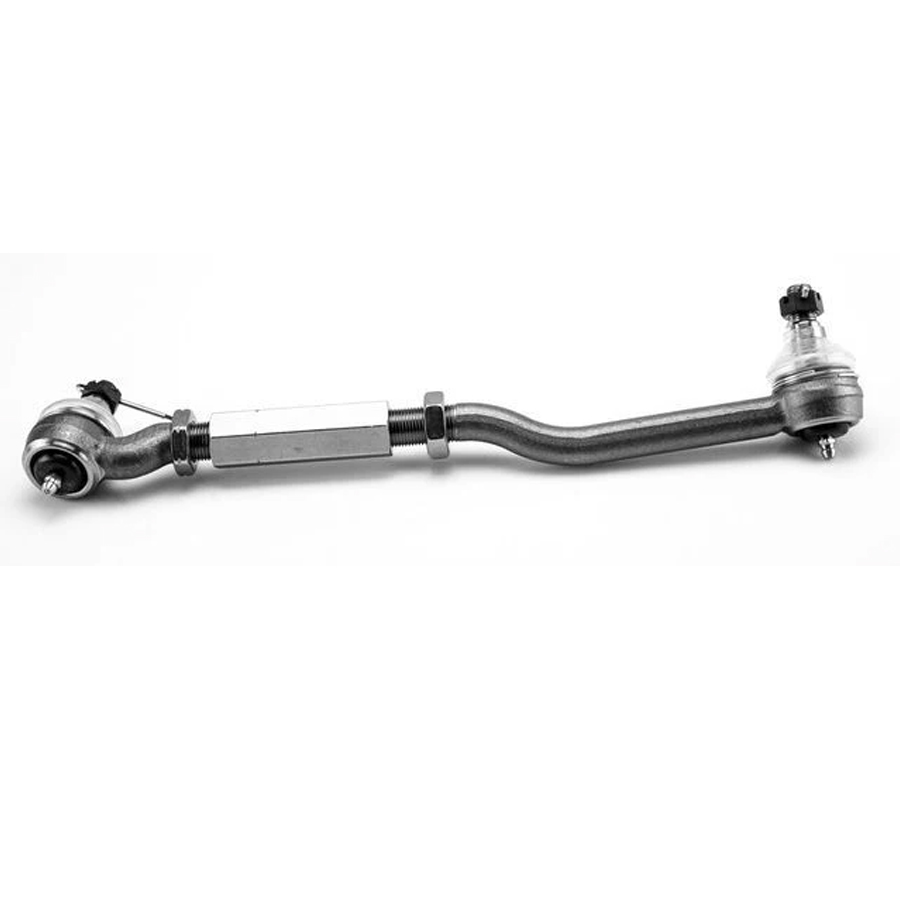
Optimize Steering Performance with FENGYU’s Premium Side Rod Assy 48510-01W00

When it comes to maintaining precise steering control and suspension stability—especially in trucks and SUVs—the side rod assembly plays an indispensable role. As part of FENGYU’s comprehensive steering and suspension lineup, we proudly introduce our high-quality Side Rod Assy 48510-01W00, engineered to restore factory-level performance across a wide range of popular vehicle models.

With over 30 years of manufacturing expertise in automotive steering systems, FENGYU delivers side rod assemblies designed for precision fit, enhanced durability, and easy installation. Whether you’re servicing a rugged pickup or a family SUV, our components help ensure safe and responsive handling under all road conditions.

OEM side rod assembly supplier


Comprehensive Vehicle Coverage

FENGYU’s Side Rod Assy 48510-01W00 is developed with broad compatibility in mind. It is engineered to meet or exceed OE specifications for a variety of popular models, including:

  • Nissan Side Rod Assembly – Compatible with Nissan Titan, Frontier, and Pathfinder

  • Toyota Steering Rod – Suitable for Toyota Hilux, 4Runner, and Land Cruiser

  • Ford Side Linkage – Ideal for Ford F-150, Ranger, and Expedition

  • Chevrolet Steering Linkage – Fits Chevrolet Silverado, Tahoe, and Suburban

  • Honda & Mazda Side Rod Assy – Optimized for Honda Pilot and Mazda BT-50

We also supply custom side rod assemblies for other American, Japanese, and European models—helping distributors and repair shops serve a diverse customer base with just one reliable source.


Built to Endure: Superior Materials & Engineering

Every FENGYU Side Rod Assy 48510-01W00 is manufactured using high-strength carbon steel and precision cold forging to ensure structural integrity under heavy loads and repeated stress. Key features include:

  • Corrosion-Resistant Coating: Multi-layer zinc-nickel plating offers superior rust prevention, ideal for regions with salted roads or high humidity.

  • Precision Ball Joints: Heat-treated pivot points and advanced polymer bushings reduce friction and wear, delivering smooth steering feedback and extended service life.

  • OE-Equivalent Design: Dimensional accuracy within 0.01mm ensures hassle-free installation with no modifications required.

These engineering choices result in a long-lasting steering component that stands up to both daily commutes and demanding off-road use.


Customization & OEM/ODM Support

FENGYU understands the value of brand differentiation. We offer flexible OEM and ODM services for all side rod assemblies, including:

  • Custom finishes such as black phosphate or electroplated zinc

  • Laser-etched logos, part numbers, or barcodes

  • Branded packaging options—from bulk poly bags to retail boxes

With a low MOQ of just 100 pieces, we help wholesalers and distributors build a unique product lineup without high inventory risk.

Rigorously Tested for Reliability

Each Side Rod Assy 48510-01W00 undergoes stringent validation under FENGYU’s IATF 16949 and ISO 9001-certified quality system. Tests include:

  • Salt spray testing (up to 1,000 hours)

  • Fatigue and torque endurance validation

  • Dimensional and hardness inspections


These protocols ensure every assembly meets global performance and safety benchmarks.

Global Logistics & Expert Support

FENGYU maintains ready stock of over 100,000 steering and suspension components, including side rod assemblies, enabling fast order turnaround. Our experienced customer service team provides end-to-end support—from technical guidance to after-sales and warranty services—helping you maintain a trustworthy reputation in your local market.

Strengthen Your Steering Portfolio with FENGYU


As a factory-direct side rod assembly supplier, FENGYU combines competitive pricing, three decades of export experience, and proven product quality to help your business thrive.

Contact FENGYU today to request a free sample, catalog, or customized quotation. Let’s steer your success together.