The Workhorse of Waste Management Horizontal Baling Machines

Horizontal baling machines are indispensable industrial workhorses designed to efficiently compress loose, bulky materials into dense, manageable bales for storage, transport, and recycling. Unlike vertical balers, they load material from the side into a long, horizontal compression chamber using a powerful hydraulic ram.


Core Function & Process:

1.  Loading: Material (cardboard, paper, plastic film, textiles, non-ferrous metals, foam, crop residues) is fed manually, via conveyor, or with a loader into the large horizontal charging chamber.

2.  Compression: A heavy-duty hydraulic ram pushes the material along the chamber, compacting it against a fixed platen or previous bale with immense force (often hundreds of tons).

3.  Bale Formation: Compression continues until the chamber is full and the material reaches the desired density. The ram retracts.

4.  Tying/Ejecting: Wires or plastic strapping are automatically fed around the dense block and tied. The rear door opens, and the ram ejects the finished bale.

5.  Reset: The door closes, and the cycle repeats.


Key Applications & Benefits:

   Recycling Centers: Processing vast volumes of OCC (old corrugated cardboard), mixed paper, plastics (PET, HDPE, film), and aluminum cans into standardized, high-density bales for sale to reprocessors.

   Manufacturing & Distribution: Handling packaging waste (cardboard, plastic wrap, foam) generated on-site, dramatically reducing waste volume and disposal costs.

   Retail & Warehousing: Managing cardboard boxes and packaging materials efficiently, improving cleanliness and safety.

   Agriculture: Baling crop waste (straw, husks), silage, or recyclable plastics used in farming.

   Textile Recycling: Compacting used clothing and fabric scraps.

   Volume Reduction: Achieves dramatic reductions (up to 90%), slashing hauling and landfill fees.

   Improved Efficiency: Creates uniform, dense bales that are stable, easy to handle (with forklifts), stack, and store, optimizing space.

   Enhanced Safety: Reduces trip hazards, fire risks, and manual handling associated with loose material.

   Revenue Generation: Produces valuable commodity bales for the recycling market.

   Environmental Compliance: Facilitates efficient waste diversion and recycling programs.


Considerations:

   Requires significant floor space for the machine, infeed area, and bale storage.

   Needs a reliable power source (often high-voltage) for the hydraulics.

   Demands trained operators and regular maintenance.

   Higher initial investment than vertical balers, offset by greater throughput and bale density.


In essence, horizontal balers are vital for any operation generating large volumes of recyclable or bulky waste, transforming messy, space-consuming materials into neat, transportable, and valuable commodity bales, driving operational efficiency, cost savings, and sustainability.

Tire Shredder Catalyst for economic growth and environmental protection

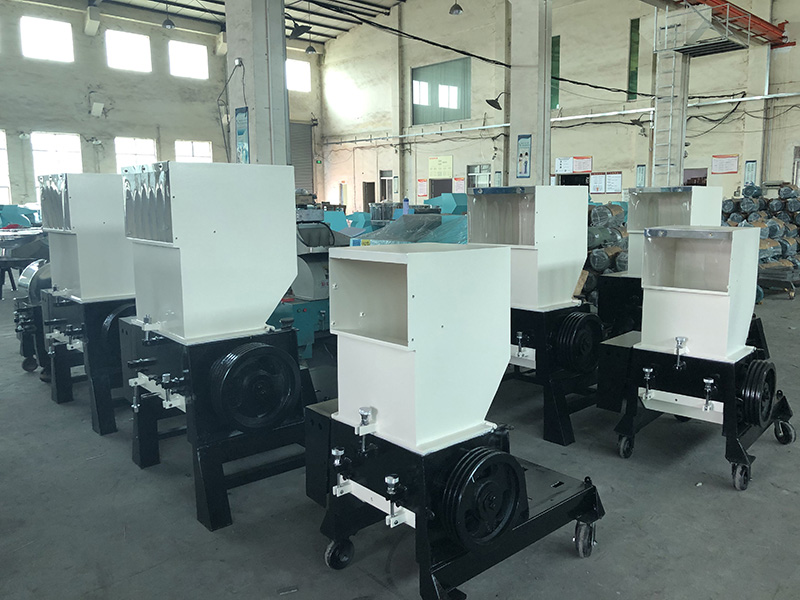
Tire shredders are specialized machines designed to process used tires into smaller, more manageable pieces. These machines play a crucial role in the recycling industry, helping to address the growing problem of tire waste.


Tire shredders are usually accompanied by tire wire drawing machines. After the steel wires in the tires are separated, the tires are fed into the feed port by a conveyor or manually, and then shredded.


Tire shredders offer several economic advantages:

1. Cost Savings: Shredding tires reduces waste volume, lowering disposal costs.  

2. Revenue Generation: Shredded rubber is sold as raw material for products like rubber asphalt, sports surfaces, and new tires, creating additional revenue.  

3. Energy Recovery: Shredded tires are used as tire-derived fuel (TDF) in cement kilns and power plants, offering a cost-effective alternative to fossil fuels and reducing energy costs.


Tire shredders also provide some environmental benefits:

1. Waste Reduction: Shredding tires reduces their volume, making them easier to manage and store, minimizing environmental impact.  

2. Resource Conservation: Recycling shredded rubber reduces the need for virgin rubber, conserving natural resources and lowering environmental impact.  

3. Carbon Footprint Reduction:Rubber powder and oil from waste tires replace industrial products, cutting carbon pollution.


Tire shredders are vital in combating tire waste, delivering economic and environmental benefits. They process used tires into valuable raw materials, enabling cost savings, revenue generation, and job creation. Additionally, they reduce waste, conserve resources, and prevent pollution, playing a key role in sustainable waste management. As recycling demand grows, tire shredders will remain central to building a cleaner, greener future.

Discover The Power Of ZoNuo's 4-Wheel Electric Counterbalance Forklifts FE Series

In the world of material handling, efficiency, reliability, and innovation are key. At ZoNuo, we take pride in presenting our state-of-the-art 4 Wheel Electric Forklift Trucks, engineered to meet the diverse and demanding needs of industries across the globe.


Lead-Acid Batteries Type: The Time-Tested Workhorse

1.Cost-Effective Solution

One of the primary advantages of our lead-acid battery-powered forklifts is their cost-effectiveness. The production cost of lead-acid batteries is relatively low compared to some of their counterparts. This makes our lead-acid equipped Heavy Duty Electric Counterbalance Forklifts an attractive option for businesses with budget constraints without compromising on performance. For example, in small to medium-sized warehouses where initial investment is a crucial factor, our lead-acid forklifts offer an affordable entry point into electric material handling.

2.Mature Technology and High Capacity

With a history spanning over a century, lead-acid battery technology is extremely mature. At ZoNuo, we leverage this tried and true technology to ensure stable and reliable performance. These batteries have a relatively large capacity, capable of providing sufficient power to handle heavy loads throughout the workday. In industrial settings where long - lasting power is required for continuous operations, such as in manufacturing plants with extended shift hours, the high capacity lead-acid batteries in our forklifts prove to be a reliable power source.

3.Safety First

Safety is a top priority at ZoNuo, and our lead-acid battery-powered forklifts reflect this commitment. During the charging and discharging processes, lead-acid batteries do not produce flammable or explosive substances. This significantly reduces the risk of fire and explosion hazards in the workplace, providing a safer environment for operators and other personnel. In environments where safety regulations are strict, such as in food and pharmaceutical industries, the safety features of our lead - acid - battery forklifts are highly valued.

Small Electric Battery Powered Forklift


High-Voltage Lithium Batteries Type: The Future of Forklift Power

Extended Runtime and Reduced Charging Time

Our high-voltage lithium battery-powered four-point electric counterbalance forklifts are designed for maximum productivity. Lithium batteries offer an extended runtime, allowing for longer periods of continuous operation without the need for frequent recharging. Additionally, they have a much shorter charging time compared to lead-acid batteries. In fast-paced logistics and distribution centers, where every minute counts, the quick-charging capability of our lithium forklifts can significantly increase the number of tasks completed in a day, leading to higher overall efficiency.

Lightweight and Compact Design

Lithium batteries are lighter and more compact than lead-acid batteries of the same energy capacity. This not only improves the overall maneuverability of the forklift but also contributes to reduced wear and tear on the vehicle's components. In narrow aisle applications, the lighter weight and compact size of our lithium-powered forklifts enable operators to navigate through tight spaces with ease, optimizing storage space utilization in warehouses.

Advanced Battery Management System

Each of our high-voltage lithium-powered forklifts is equipped with an intelligent battery management system. This system ensures optimal performance and safety by monitoring and controlling various parameters such as battery voltage, current, and temperature. It also helps to extend the lifespan of the battery, providing long-term value for our customers. In large scale operations where equipment downtime can be costly, the advanced battery management system in our lithium forklifts minimizes the risk of unexpected battery failures, ensuring smooth and continuous operations.

Heavy Duty Battery Powered Electric Forklift


Exceptional Component Quality

Reliable and Durable Parts

At ZoNuo, we understand that the quality of a forklift is only as good as the sum of its parts. That's why we source our components from the best suppliers in the industry. From the high-strength steel used in the chassis and mast to the precision - engineered hydraulic and electrical components, every part of our four-point electric counterbalance forklifts is built to last. The robust construction of our forklifts ensures they can withstand the rigors of heavy-duty use in even the most demanding industrial environments.

Stringent Quality Control

Our commitment to quality extends to every stage of the manufacturing process. We have implemented a rigorous quality control system that includes multiple inspections and tests. Each component undergoes strict quality checks before being assembled into the forklift, and the finished product is thoroughly tested for performance, safety, and reliability. This attention to detail ensures that every ZoNuo four-point electric counterbalance forklift that leaves our factory meets the highest standards of quality.

Easy Maintenance and Serviceability

In addition to using high-quality components, we also design our forklifts with maintenance and serviceability in mind. The layout of the components is carefully planned to allow for easy access during routine maintenance and repairs. This reduces downtime and maintenance costs, keeping your operations running smoothly. Our comprehensive after - sales service network is also available to provide prompt support and assistance whenever you need it, ensuring that your ZoNuo forklift continues to perform at its best for years to come.


In conclusion, ZoNuo's 4-wheel electric counterbalance forklifts, with their versatile battery options and top-notch component quality, are the ideal choice for businesses looking to enhance their material handling operations. Whether you prioritize cost-effectiveness, long-runtime, or high-performance, our forklifts have the features and capabilities to meet your specific requirements. Contact us today to learn more about how ZoNuo can help take your business to the next level.


Exploring Three-Wheel Electric Forklifts A Powerful Assistant for Efficient Logistics Handling

In the modern fields of logistics and industrial production, efficient, flexible, and environmentally friendly material handling equipment is of utmost importance. Three Wheel Electric Forklift Truck, with its outstanding performance, wide applicability, and advanced technology, offers an ideal solution for the material handling needs of various enterprises and customers.


Performance Features

1. Maneuverability for Smooth Operation in Tight Spaces

Our Mini 3 Wheel Electric Forklift features an ingenious design with an extremely small turning radius. Thanks to its unique three-point structure, the rear wheels serve both as drive wheels and steering wheels, enabling the forklift to turn and reverse easily in narrow aisles and confined spaces.

2. Powerful Performance Ensuring Efficient Handling

Equipped with a full AC dual-drive high-efficiency motor, it delivers stable and robust power output. This motor not only boasts high efficiency, providing powerful driving performance comparable to that of internal combustion forklifts but also exhibits excellent energy consumption performance. Meanwhile, the forklift's lifting system is equally efficient. The high-power oil pump motor, combined with a silent large-displacement gear pump, can lift goods quickly and smoothly.

3. Stability and Reliability for Worry-Free Operation

The battery is positioned at the bottom of the frame, lowering the overall center of gravity and significantly enhancing stability. When the forklift is operating with a load, the gantry tilts backward, and the wheelbase automatically extends, further improving stability.

4. Comfortable Operation Reducing Labor Intensity

The steering wheel's tilt angle can be adjusted, and the seat position can be adjusted forward and backward according to the driver's height and habits, ensuring that drivers of different builds can find the most comfortable driving position.

Compact Electric Forklift Manufacturer


Application

1.Warehousing and Logistics Industry; 2.Manufacturing Production Workshops; 3.Industries with Strict Environmental Requirements, Such as Pharmaceuticals and Food; 4.E-commerce Distribution Centers

2 Ton Dual Drive Electric Forklift


ZoNuo 3 wheel electric forklift adopts a high-efficiency travel control system with a high-frequency MOSFET integrated controller, ensuring smooth and precise control of the forklift's travel and lifting. This system offers excellent speed regulation performance and features multiple practical functions, including regenerative braking, reverse braking, and anti-rollback on ramps. We have fully considered the maintenance needs of users during the later operation. The forklift is designed with a fully open hood, allowing maintenance personnel to easily access all key components, greatly simplifying daily maintenance and troubleshooting. Additionally, many key components of the forklift, such as the motor and controller, adopt a modular design, facilitating replacement and repair.

Lithium Battery Powered Electric Forklift


ZoNuo understands that different customers have varying business requirements and operational environments. Therefore, we offer a wide range of customizable options. Customers can choose gantries of different heights according to their actual needs to meet the requirements of different cargo stacking heights. Forks of various lengths are available to adapt to different sizes of cargo pallets. Moreover, special configurations can be customized according to specific environmental requirements, such as cold storage operations or flammable and explosive environments, ensuring that the forklift can operate stably and efficiently in various complex environments.

How Can Electric Motors Operate in a Vacuum Environment? Examples of applications

With advancements in technology, the demand for electric motors operating in extreme environments has grown significantly. Among these, vacuum environments pose unique challenges for electric motors. This article explores how motors can function properly in a vacuum and introduces some typical application cases.


I. Special Requirements for Motors in a Vacuum Environment

A vacuum environment (typically defined as pressure below 1×10⁻⁵ Pa) affects motor operation in several ways:

Heat Dissipation Issues: The absence of air convection in a vacuum renders traditional cooling methods ineffective.

Material Outgassing: Certain materials release gases in a vacuum, contaminating the environment.

Lubrication Challenges: Conventional lubricants tend to evaporate or decompose in a vacuum.

Electrical Insulation Problems: The performance of insulating materials may change under vacuum conditions.

Thermal Expansion Differences: Variations in thermal expansion coefficients between materials become more pronounced with temperature changes.


II. Key Technologies for vacuum compatible motors

1. Special Heat Dissipation Designs

Use of high thermal conductivity materials (e.g., copper, aluminum) for housing

Design of heat-radiating fins to increase surface area for radiative cooling

Integration of heat pipes or liquid cooling systems (for high-power motors)


2. Selection of Vacuum-Compatible Materials

Use of low-outgassing materials (e.g., stainless steel, ceramics, specialty plastics)

Avoidance of high-outgassing materials like rubber and standard plastics

Selection of vacuum-compatible insulating materials (e.g., polyimide, PTFE)


3. Special Lubrication Systems

Use of solid lubricants (e.g., molybdenum disulfide, graphite)

Application of specialized vacuum-compatible greases

Design of self-lubricating bearing systems


4. Sealing Technologies

Use of metal seals or specialized elastomer seals

Design of multi-stage sealing systems

Consideration of thermal stress effects on seals


5. Special Electromagnetic Design

Optimized winding design to minimize heat generation

Consideration of corona discharge in a vacuum

Use of high-temperature-resistant electromagnetic materials


III. Typical Application Cases of Vacuum Motors

1. Aerospace Applications

Satellite Attitude Control Motors: Used for adjusting solar panels and Earth orientation.

Space Robotic Arm Drive Motors: Employed in the International Space Station and satellite servicing missions.

Rocket Propulsion System Valve Control Motors: Regulate fuel and oxidizer flow.


2. Semiconductor Manufacturing

Wafer Handling Robot Motors: Transport silicon wafers inside vacuum chambers.

Lithography Machine Precision Positioning Motors: Enable nanometer-level positioning accuracy.

Vacuum Deposition Equipment Rotary Motors: Ensure uniform coating deposition.


3. Scientific Research Equipment

Particle Accelerator Vacuum Pump Motors: Maintain ultra-high vacuum conditions.

Fusion Reactor Internal Drive Motors: Used in tokamak devices for various actuators.

Space Simulation Chamber Equipment Motors: Simulate space environments for testing on Earth.


4. Medical Devices

Proton Therapy System Gantry Motors: Precisely position patients in a vacuum environment.

Electron Microscope Stage Drive Motors: Enable nanometer-level sample movement.


5. Industrial Equipment

Vacuum Metallurgical Furnace Drive Motors: Handle materials in high-temperature vacuum conditions.

Vacuum Coating Production Line Conveyor Motors: Transport substrates in continuous production processes.


IV. Development Trends in Vacuum Motors

Higher Power Density: Deliver greater torque in limited spaces.

Longer Lifespan: Reduce maintenance needs, especially for space applications where repairs are difficult.

Smarter Control: Integrate sensors for condition monitoring and adaptive control.

New Material Applications: Use of advanced materials like carbon nanotubes and graphene.

Modular Design: Facilitate quick adaptation for different vacuum applications.


Conclusion

Motor technology for vacuum environments is a critical enabler for multiple high-tech industries. With advancements in materials science, thermal management, and precision manufacturing, the performance of vacuum motors will continue to improve, expanding their range of applications. In the future, vacuum motors will play an even more significant role in cutting-edge fields such as deep-space exploration, quantum technology, and next-generation semiconductor manufacturing.

How to Select the Right High/Low Temperature Servo Motor?

Selecting a suitable high/low temperature servo motor requires a comprehensive consideration of environmental conditions, performance requirements, material compatibility, and system reliability. Below are the key steps and considerations:

1. Define Operating Environmental Conditions

Temperature Range: Confirm the minimum and maximum temperatures the motor must withstand (e.g., -40°C to +85°C), as well as the rate of temperature change.

Humidity, Dust, and Corrosiveness: High/low-temperature environments may involve additional factors (e.g., condensation, salt spray), requiring materials with appropriate protection ratings (IP rating).

Vibration and Shock: Mechanical strength may degrade under extreme temperatures, so the motor’s structural vibration resistance must be evaluated.

2. Key Performance Parameters

Torque and Speed:

At low temperatures, increased lubricant viscosity may raise starting torque, requiring additional margin.

At high temperatures, magnetic performance (e.g., permanent magnet demagnetization) may degrade, necessitating high-temperature-resistant materials (e.g., samarium-cobalt magnets).

Power Matching: To prevent overheating due to efficiency loss at high temperatures, calculate actual thermal dissipation under load.

Feedback System: Encoders or resolvers must operate reliably in extreme temperatures.

3. Materials and Structural Design

Temperature-Resistant Materials:

Housing: Aluminum alloy (lightweight) or stainless steel (corrosion-resistant).

Seals: Silicone or fluorocarbon rubber (resistant to low-temperature brittleness and high-temperature aging).

Lubricants: Fully synthetic grease (e.g., PTFE-based) suitable for a wide temperature range.

Thermal Management:

High-temperature environments: Enhance cooling (e.g., heat sinks, forced air cooling).

Low-temperature environments: Optional heating elements to prevent condensation.

4. Electrical Compatibility

Insulation Class: Select materials with at least Class F (155°C) or Class H (180°C) insulation.

Cables and Connectors: Use shielded cables resistant to high/low temperatures to prevent cracking or melting.

5. Brand and Certifications

Special Certifications: Such as military (MIL-STD), automotive (AEC-Q200), or aerospace standards.

Supplier Experience: Prioritize vendors with proven experience in high/low-temperature motor applications.

6. Testing and Validation

Environmental Simulation Testing: Test motor start-stop and load performance in extreme temperatures using thermal chambers.

Lifetime Testing: Evaluate performance degradation after long-term thermal cycling.

7. Cost and Maintenance

Total Cost of Ownership: Higher-spec motors may cost more but reduce downtime losses.

Maintenance Convenience: Modular designs simplify seal or bearing replacement.

Recommended Selection Process

Define Requirements: Environmental parameters, load curves, dynamic response needs.

Preliminary Model Selection: Screen motors based on torque-speed curves.

Field Testing: Conduct small-batch trials and monitor performance.

Common Pitfalls

Ignoring Startup Characteristics: Locked-rotor current may surge at low temperatures, requiring protective circuitry.

Over-Reliance on Spec Sheet Data: Manufacturer data is often measured under ideal conditions; real-world derating is necessary.

By following a systematic selection process, high/low-temperature servo motors can achieve stable operation in extreme environments, balancing performance and reliability.


Zhonggu Weike Power Technology Co., Ltd. is a National Specialized, Sophisticated, and Innovative Enterprise specializing in the R&D, manufacturing, and application of special motors for harsh environments, including vacuum, high-temperature, cryogenic, and radiation conditions. Our products are widely used in aerospace, satellite communications, space observation, biomedical engineering, and genetic sample storage.

Radiation-Resistant Stepper Motors Applications and Key Features

Radiation Hardened Stepper Motors are specially designed for environments with ionizing radiation (e.g., X-rays, gamma rays, neutron radiation). These motors must maintain reliable operation under radiation exposure. Below are their primary applications and essential characteristics.

I. Typical Applications

Nuclear Industry & Power Plants

Nuclear reactors (control rod drives, valve adjustments, inspection equipment).

Nuclear waste handling systems (robotic arms, conveyor mechanisms).

Fusion experiments (e.g., precision positioning in tokamak devices).


Medical Radiation Environments

Radiotherapy equipment (e.g., collimator control in gamma knife or proton therapy systems).

Rotating mechanisms in CT/PET-CT imaging devices.


Aerospace & Deep Space Exploration

Satellite and space telescope adjustment mechanisms (exposed to cosmic rays).

Rover mobility and sampling systems (e.g., Mars/Moon exploration).


High-Energy Physics Experiments

Particle accelerators (e.g., beam control and detector positioning in CERN).


Military & Security Applications

Automated systems in nuclear submarines or weapons facilities.

Radiation-monitoring robots (e.g., post-Fukushima disaster response).


II. Key Features of Radiation-Hardened Motors

Radiation-Hardened Design

Materials: Radiation-resistant ceramics, specialty plastics, and stainless steel housing (avoiding degradable organics like rubber or epoxy).

Electronics: Radiation-hardened ICs (e.g., space-grade), opto-isolation, or simplified circuitry (reducing semiconductor reliance).


High Reliability

Certified for radiation hardening (Rad-Hard) to ensure performance stability under cumulative radiation doses.

Sealed construction or inert gas (e.g., nitrogen) filling to prevent contamination.


High-Temperature Resistance & Heat Dissipation

Efficient thermal management (e.g., metal housings, conductive coatings) for radiation-induced high temperatures.


Low Maintenance & Long Lifespan

Brushless designs or solid lubricants to avoid lubricant breakdown from radiation.


Electromagnetic Compatibility (EMC)

Shielding against electromagnetic interference (e.g., nuclear EMP) to prevent signal disruption.


Precision Control & Torque Stability

Maintains micro-stepping accuracy without step loss (critical for medical/industrial positioning).


III. Additional Notes

Difference from Standard Motors: Radiation-resistant variants are costlier and often custom-built.

Alternatives: In low-radiation settings, shielded standard motors may suffice for cost savings.

Ctrl-Motor has been engaged in the R&D, production and sales of vacuum motors, high and low temperature motors,reducers,etc for 12 years,The high and low temperature motors can be adapted to any extreme conditions from -196℃ to 300℃, and the vacuum degree can reach 10-7pa, we can provide 10^7Gy radiation protection and salt spray protection products. 

The Impact of High Temperature on Motor Performance and Countermeasures

In modern industrial automation, motors serve as core driving components and are widely used in various equipment and systems. With continuous technological advancements, the performance requirements for motors have become increasingly stringent. For instance, in high-temperature environments, elevated temperatures can significantly affect motor performance, efficiency, and lifespan, as detailed below:

1. Reduced Efficiency

Increased Resistance: The resistance of motor windings (copper wires) rises with temperature, leading to higher copper losses (I²R) and reduced efficiency.

Changes in Iron Losses: High temperatures may exacerbate eddy current losses and hysteresis losses in the core (especially in permanent magnet motors), further decreasing efficiency.

2. Decreased Output Power

Thermal Limitations: Motors are typically designed based on rated temperatures. Under high temperatures, heat dissipation capacity declines, potentially forcing derated operation (reducing output power) to prevent overheating.

Demagnetization of Permanent Magnets (PMSMs): High temperatures can weaken the magnetic properties of permanent magnets, reducing magnetic field strength and consequently lowering torque and power output.

3. Accelerated Insulation Aging

Insulation Material Lifespan: High temperatures accelerate the aging of motor insulation materials (e.g., enameled wires, slot insulation). Empirical rules indicate that insulation life halves for every 10°C temperature increase (Arrhenius Law).

Breakdown Risk: Prolonged exposure to high temperatures may cause insulation cracking, leading to short circuits or ground faults.

4. Bearing and Lubrication Issues

Lubrication Failure: High temperatures reduce the viscosity or cause oxidation of lubricating grease, resulting in poor lubrication and increased bearing wear.

Mechanical Deformation: Thermal expansion of bearings or shafts may alter fitting clearances, causing vibration or seizing.

5. Impact on Control Systems

Sensor Drift: Temperature-sensitive components (e.g., thermocouples, Hall sensors) may produce erroneous readings, affecting control accuracy.

Electronic Component Failure: High temperatures reduce the reliability of drive circuits (e.g., IGBTs, capacitors), increasing failure rates.

6. Other Potential Issues

Thermal Stress: Differences in thermal expansion coefficients may cause structural deformation (e.g., between the stator and housing).

Cooling System Overload: Forced cooling systems (fans, liquid cooling) may operate at full capacity for extended periods in high-temperature environments, shortening their lifespan.

Countermeasures

Optimized Heat Dissipation: Enhance ventilation, adopt liquid cooling, or implement heat pipe technology.

Material Selection: Use high-temperature-resistant insulation materials (e.g., Class H insulation) and high-temperature lubricants.

Temperature Monitoring: Install temperature sensors for overheating protection or power derating.

Environmental Control: Avoid operating motors in enclosed or high-temperature areas; install additional cooling systems (e.g., air conditioning) if necessary.

Conclusion

High temperatures comprehensively affect a motor’s electrical performance, mechanical reliability, and control system stability. Proper thermal design and temperature management are crucial to ensuring stable motor operation in high-temperature environments. If your application requires prolonged operation under high temperatures, it is advisable to use motors specifically designed for such conditions to ensure sustained and reliable performance.

Zhonggu Weike Power Technology Co., Ltd. is a National Specialized, Sophisticated, and Innovative Enterprise specializing in the R&D, manufacturing, and application of special motors for harsh environments, including vacuum, high-temperature, cryogenic, and radiation conditions. Our products are widely used in aerospace, satellite communications, space observation, biomedical engineering, and genetic sample storage.

With a professional team in technology, manufacturing, and service, as well as Asia’s most comprehensive environmental and dynamic transmission testing facilities, we are committed to providing expert, high-quality solutions for every customer.

Chemical Industry Effluent Challenges & Pump/Valve Selection Approaches

This paper addresses three core pain points in wastewater treatment for the chemical industry, analyzing the technical compatibility of Anhui Changyu Pump & Valve's flagship products.


1. Three Core Challenges in Chemical Effluent Treatment

1.1 Media Complexity

Chemical wastewater often contains strong acids, alkalis, organic solvents, and solid particles, leading to corrosion, crystallization, and clogging in conventional pumps. For example, one chemical plant experienced pump casing perforation due to chloride-induced corrosion, resulting in monthly maintenance costs exceeding ‌100,000 RMB‌.

1.2 Harsh Operating Conditions

High temperatures (up to ‌150°C‌) and high pressures (some process sections require ‌≥2.5MPa‌) demand superior sealing performance and structural integrity. Industry reports (2024) indicate that ‌23% of unplanned shutdowns‌ are caused by pump/valve failures.

1.3 Environmental Compliance Pressure

The updated ‌GB31571-2025 Petroleum & Chemical Industry Emission Standards‌ mandate a leakage rate below ‌0.1%‌, making traditional packed-seal pumps increasingly non-compliant.


2. Scenario-Based Selection Strategies

2.1 Highly Corrosive Media (e.g., Hydrofluoric Acid, Mixed Acids)

Recommended Model:‌ ‌CYQ Fluoroplastic Magnetic Drive Pump

Key Features:

Full perfluoroelastomr (FFKM) seals + silicon carbide (SiC) bearings

Compatible with ‌pH 0–14

Case Study:‌ Achieved ‌8,000+ hours‌ of continuous operation in lithium battery waste acid treatment with zero corrosion.


2.2  High-Solid Content Wastewater (e.g., Catalyst Particles, Sludge)

Cost-Effective Option:‌ ‌FYH Fluoroplastic Submersible Pump‌ (≤20% solids)

Unique Advantage:

Open-type triple-channel impeller design improves particle passage by ‌40%‌ vs. standard pumps.

Application Example:‌ Used in a ‌titanium dioxide plant‌ (Anhui) for titanium slag wastewater (particle size ≤8mm).
High-Pressure Alternative:‌ ‌CYF Fluoroplastic Centrifugal Pump (requires pre-filtration).


2.3 High-Temperature/Pressure Conditions (e.g., Distillation Tower Effluent)

High-Temp CYQ Model:

Equipped with ‌samarium-cobalt (SmCo) magnets‌, maintaining ‌>92% magnetic drive efficiency at 150°C‌.

Alternative:‌ ‌CYC Stainless Steel Magnetic Pump‌ (requires cooling below ‌120°C‌).


2.4 Environmentally Sensitive Zones

Mandatory Choice:‌ ‌CYQ/CYC Magnetic Pump Series

Certified Leakage Rate:‌ ‌<0.01%‌, compliant with ‌EU TA-Luft Standards‌.

Case Implementation:‌ Adopted plant-wide in a ‌Shanghai fine chemical park‌ as a replacement for traditional pumps.


3. Selection Pitfall Avoidance Guide

3.1 Common Mistakes to Avoid

Stainless Steel Pumps (CYC/FY Series):
Not suitable for media containing ‌>50ppm chloride ions‌ (prone to stress corrosion cracking).

CYF Centrifugal Pumps:
Dry running must be avoided (fluoroplastic material has poor heat conductivity and may deform).


3.2 Efficiency-Enhancing Configurations

For Crystallizing Media:
Install ‌flushing ports‌ on ‌CYQ pumps‌.

For Fluctuating Flow Rates:
Equip ‌FYH pumps‌ with ‌variable frequency control systems‌ (energy savings ≥30%).


This selection system can cover ‌over 95% of chemical industry wastewater scenarios‌. Final confirmation should be based on ‌specific media composition reports‌ (must include ‌Cl⁻, F⁻, and solid content‌ data).


2.2<

The Application of Anhui Changyu Pump & Valve in Corrosive Media Treatment in Mining and Metallurgical Industries

1. Industry Background and Challenges

In mining and metallurgical production processes, large volumes of corrosive media—such as acidic solutions, alkaline liquids, and organic solvents—must be handled. These substances are not only highly corrosive but may also contain solid particles or other impurities, imposing stringent demands on pump materials, sealing performance, and operational stability. Selecting the appropriate pump solutions is critical to ensuring continuous and safe production.

2. Overview of Anhui Changyu Pump & Valve Solutions

Anhui Changyu Pump & Valve Manufacturing Co., Ltd. has developed a range of specialized pump products tailored to the unique demands of the mining and metallurgical industries. Below are the key pump solutions offered:

2.1. Corrosion-Resistant Magnetic Drive Pumps

  • Working Principle‌: Utilizes magnetic coupling technology to eliminate mechanical seals, ensuring leak-free operation.
  • Materials & Applicable Media‌: Constructed with high-performance corrosion-resistant alloys (e.g., 304, 316, 316L stainless steel, Hastelloy), ideal for handling highly corrosive fluids.
  • Advantages‌: Compact design, smooth operation, and suitability for diverse corrosive media in mining and metallurgical processes.

2.2 Plastic-Lined Slurry Pumps

  • Applications‌: Designed for corrosive slurries such as phosphoric acid slurry and fluorosilicic acid slurry.
  • Features‌: Plastic-lined interior for enhanced corrosion resistance, combined with superior abrasion resistance for particle-laden media.
  • Advantages‌: Easy maintenance and reliable performance, making them ideal for slurry transportation in mining and metallurgy.

2.3 Stainless Steel Centrifugal Pumps

  • Materials‌: Premium stainless steel construction for excellent corrosion and high-temperature resistance.
  • Applications‌: Suitable for seawater, brine, organic solvents, and other corrosive media at varying concentrations.
  • Advantages‌: Compact structure, high efficiency, and versatility for diverse corrosive fluid handling needs in the industry.

3. Detailed Application Scenario Analysis

3.1. Ore Processing

  • Process Description‌: Involves crushing, grinding, and leaching of ores, requiring handling of large volumes of corrosive media.
  • Pump Selection‌: Corrosion-resistant magnetic drive pumps and stainless steel centrifugal pumps are ideal for ore processing, ensuring stable transportation and leak prevention.

‌3.2 Flotation Separation

  • Process Description‌: Separates valuable minerals from waste rock via flotation technology, involving corrosive reagents.
  • Pump Selection‌: Plastic-lined slurry pumps excel in flotation due to their corrosion and abrasion resistance.

3.3 Smelting & Extraction

  • Process Description‌: Operates in high-temperature, high-pressure environments with corrosive media.
  • Pump Requirements‌: Pumps must resist corrosion, high temperatures, and pressure. Magnetic drive pumps and stainless steel centrifugal pumps are preferred for their superior performance.

3.4 Tailings Treatment

  • Process Description‌: Handles slag and tailings containing solid particles and acidic waste liquids.
  • Pump Selection‌: Plastic-lined slurry pumps, balancing corrosion and abrasion resistance, are optimal for tailings processing.

3.5 Cooling Circulation

  • Process Description‌: Requires corrosion-resistant cooling media circulation in smelting.
  • Pump Requirements‌: Pumps must resist corrosion and ensure long-term stability. Stainless steel centrifugal pumps are well-suited for this application.

4. Conclusion

Leveraging extensive expertise and cutting-edge technology in pump and valve manufacturing, Anhui Changyu Pump & Valve Manufacturing Co., Ltd. delivers a comprehensive range of high-efficiency, reliable pumping solutions tailored for the mining and metallurgical industries. These solutions not only address the industry's specialized requirements for handling corrosive media but also enhance operational stability and safety in production processes.

Moving forward, as technology evolves and industry demands continue to shift, Anhui Changyu Pump & Valve remains committed to innovation and R&D, striving to provide the mining and metallurgical sectors with superior pump products and technical services.

  •