The working principle of the screen printing machine ① The working cycle program of the flat screen flat screen printing machine takes the flat screen platform type monochrome semi-automatic hand screen printing machine as an example. One of its working cycles is: feeding parts → positioning → printing → Lower the squeegee, raise the ink return plate → Squeegee stroke → Raise the squeegee → Lower the ink return plate → Lift the plate → Return ink stroke → Release positioning → Receiving.
In the continuous cycle action, as long as the function can be realized, the time occupied by each action should be as short as possible to shorten the period of each work cycle and improve the work efficiency.
③ Embossing line. During the printing stroke, the squeegee squeezes the ink and the screen printing plate, so that the screen printing plate and the substrate form a contact line, which is called a nip line. This line is at the edge of the squeegee, and countless embossed lines form the printing surface. Achieving an ideal nip line is difficult because the printing stroke is a dynamic process.
③The working principle of screen printing machine. Taking the commonly used hand-shaped screen printing machine as an example, the working principle of the screen printing machine can be described as follows: the power is transmitted through the transmission mechanism, and the squeegee squeezes the ink and the screen printing plate during the movement, so that the screen printing The printing plate and the substrate form an embossing line. Since the screen has tensions N1 and N2, a force F2 is generated on the squeegee. Under the action of the squeezing force F1 of the squeegee, through the mesh, the printing is missed from the moving embossing line to the substrate.
During the printing process, the screen printing plate and the squeegee move relative to each other, and the extrusion force F1 and the rebound force F2 also move synchronously. Dirty blots. That is, the screen is constantly deformed and rebounded during the printing stroke.
The squeegee is separated from the substrate together with the screen printing plate after the one-way printing is completed, and at the same time, the ink is returned to the back, that is, a printing cycle is completed. The distance between the top of the substrate and the reverse side of the screen printing plate after returning to ink is called the same plate distance or screen distance, which should generally be 2 to 5 mm. In manual printing, the operator's technique and proficiency directly affect the formation of the embossing line. In practice, screen printing workers have accumulated a lot of valuable experience, which can be summarized into six points, that is, to ensure the linearity, uniformity, isometric, pressure equalization, centering and verticality in the movement of the squeegee. That is to say, the squeegee should move in a straight line during printing, and it should not be shaken left and right; it should not be slow forward and fast, fast forward and then slow or suddenly slow and fast; the inclination angle to the ink plate should remain unchanged, and special attention should be paid to overcoming the inclination angle. A common problem that gradually increases; the printing pressure should be kept uniform; the distance between the squeegee and the inner side of the screen frame should be equal; the ink plate and the frame should be kept perpendicular
How Do Low-Temperature Air-Cooled Chillers Achieve Effective Heat Recovery
In modern industrial and building applications, the energy consumption of low-temperature air-cooled chillers is a growing concern. Recovering waste heat from these systems can significantly improve overall energy efficiency while reducing operational costs and environmental impact. So, how exactly does heat recovery work in these systems?

1. Using High-Efficiency Heat Exchangers
A key method for heat recovery is integrating high-efficiency heat exchangers into the chiller system.When the air-cooled chiller releases waste heat, this thermal energy is transferred to a secondary medium—such as water or air—inside the heat exchanger. The recovered heat can then be reused for:
• Preheating fresh air
• Supplying domestic hot water
• Industrial process heating
By using counter-flow heat exchange, hot and cold fluids make full thermal contact, maximizing heat transfer efficiency. Compact and efficient plate heat exchangers are particularly suitable for air-cooled chiller heat recovery due to their high thermal conductivity and small footprint.
2. Integrating Heat Pump Technology
Another effective approach is integrating heat pump technology into the system.Even though low-temperature air-cooled chillers operate at lower temperatures, their exhaust air or cooling loop still contains recoverable heat energy.
A heat pump can:
• Absorb low-grade heat from the chiller's exhaust
• Compress and elevate the temperature
• Deliver the upgraded heat to other applications
Using VRF (Variable Refrigerant Flow) heat pump systems allows flexible heat recovery according to real-time demand and adapts efficiently to varying operating conditions of the chiller.
3. Optimizing the Control System
A smart and precise control system is essential for effective heat recovery.The control system continuously monitors parameters such as:
• Temperature
• Pressure
• Flow rate
Based on real-time data, it adjusts the heat recovery equipment to ensure optimal performance.
When multiple heat-use terminals exist, the system must also intelligently distribute heat to meet different demands without wasting energy.
Conclusion
Through the combined use of high-efficiency heat exchangers, integrated heat pump technology, and intelligent control strategies, low-temperature air-cooled chillers can achieve substantial heat recovery. This not only enhances system energy efficiency but also contributes to greener and more economical operation.
What are the advantages of stainless steel pumps? Introduction to common stainless steel pumps
What are the advantages of stainless steel pumps?Introduction to common stainless steel pumps
When transporting weak acid, weak alkali, salt and other media, the corrosion resistance of stainless steel pump is significantly better than that of other materials, but the price of stainless steel pump is slightly higher.
When transporting weak acid, weak alkali, salt and other media, the corrosion resistance of stainless steel pump is significantly better than that of other materials, but the price of stainless steel pump is slightly higher. As the saying goes, price equals price, so what are the highlights of stainless steel pumps compared with other materials?
stainless steel pumps are very resistant to corrosion and, more importantly, very durable. Stainless steel pumps are usually mainly used in different working and living environments in various ways, some of these social and environmental problems need to be corrosion-resistant, and some enterprises need our stronger drainage design capabilities, stainless steel pumps are made of high-strength stainless steel raw materials, which have strong corrosion resistance, and the use of pumps for this teaching material, there is no need to worry that the effect of the pump will be affected by the external economic environment, which is a stainless steel pump can be more suitable for students in various harsh environments, and continue to work healthily and stably.
stainless steel pumps are a little more expensive in their class, but their performance is impeccable. Stainless steel pumps have been products in the industry to occupy a position, and its cost-effective nature is self-evident.
stainless steel water pump can operate stably for a long time, the failure rate is very low after use, and the later maintenance is also very simple, which can meet the requirements of users for long-term use. Stainless steel pumps can convey a variety of different media, from tap water to industrial liquids, stainless steel pumps through stainless steel flow plate stamping process, adapt to different temperatures, flow rates and pressure ranges, stainless steel pumps are non-corrosive or lightly corrosive liquids, can transport temperatures up to 120
Common stainless steel pumps
Stainless steel sewage submersible pump
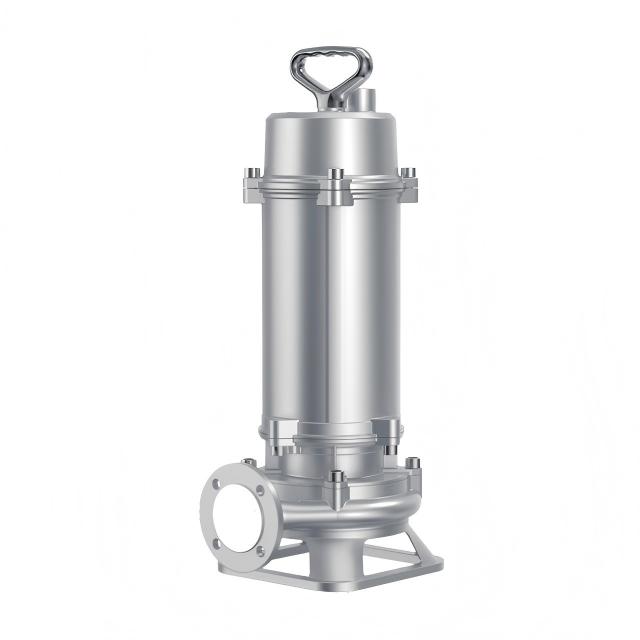
Flow: 10~2800m³/h
Head:6~75m
Power:0.75~250kW
Product description:
1. Adopting stainless steel precision casting shell, it has the characteristics of corrosion resistance,environmental protection,high lift, and large flow rate.
2. The oil chamber adopts a double-sided mechanical seal made of fluororubber, while the outer chamber adopts a single-sided fluororubber mechanical oil seal structure, effectively reducing the problem of sealing water ingress caused by friction between the skeleton oil seal and the shaft.
3. The motor adopts high-temperature wire, F-class insulation, and thermal protection device, effectively extendina the service life of the pump.
4. According to customer requirements, a mixing device can be equipped, which generates a strong mixing force with the rotation of the motor shaft, stirring the sediment in the sewage tank into suspended solids and then discharging them. It can also be equipped with a cutting device, which can remove debris such as long fibers, plastic, paper bags, and straw from the sewage
Stainless steel explosion-proof sewage submersible pump
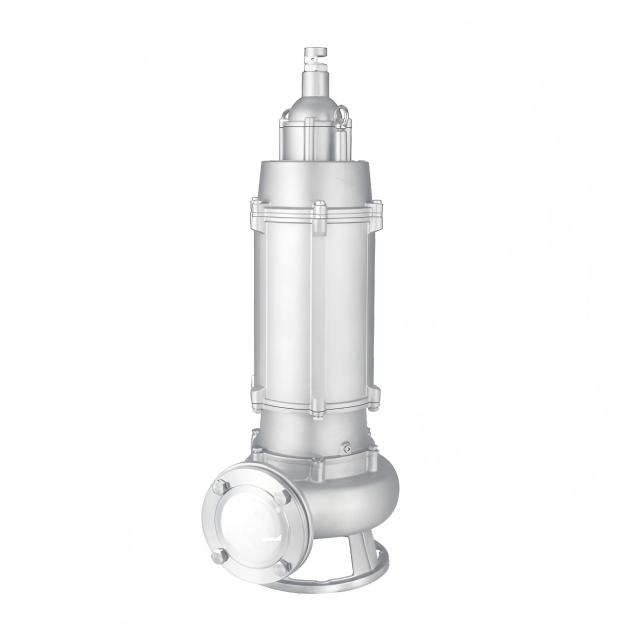
Flow:7-220m³/h
Head: 6-60m
Power:0.75-15kw
Product description
1.Adopting stainless steel precision casting shell, it has the characteristics of corrosion resistance, environmental protection,high lift, and large flow rate.
2. The oil chamber adopts a double-sided mechanical seal made of fluororubber, while the outer chamber adopts a single-sided fluororubber mechanical oil seal structure, effectively reducing the problem of sealing water ingress caused by friction between the skeleton oil seal and the shaft.
3. The motor adopts high-temperature wire, F-class insulation, and a thermal protection device, effectively extending the service life of the pump.
4、According to customer requirements, a mixing device can be equipped, which generates a strong mixing force with the rotation of the motor shaft, stirring the sediment in the sewage tank into suspended solids and then discharging them. It can also be equipped with a cutting device, which can remove debris such as long fibers, plastic, paper bags, and straw from the sewage.
5. The explosion-proof level is Ex db llB T4 Gb.
Light vertical multistage centrifugal pump
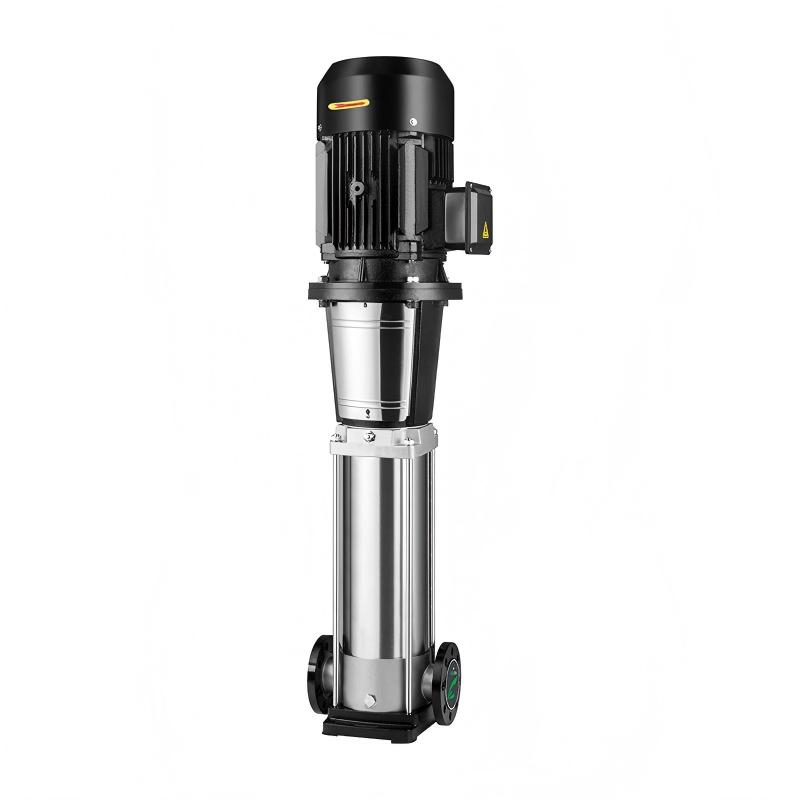
Flow: 2~240 m³/h
Head: 15~305 m
Power: 0.37~110 kW
Product Description:
CDL(F) is a multifunctional product, capable of transporting various media, from tap water to industrial liquids, suitable for different temperatures, flow rates, and pressure ranges. CDL (f) is suitable for mildly corrosive liquids.
Horizontal multistage stainless steel centrifugal pump
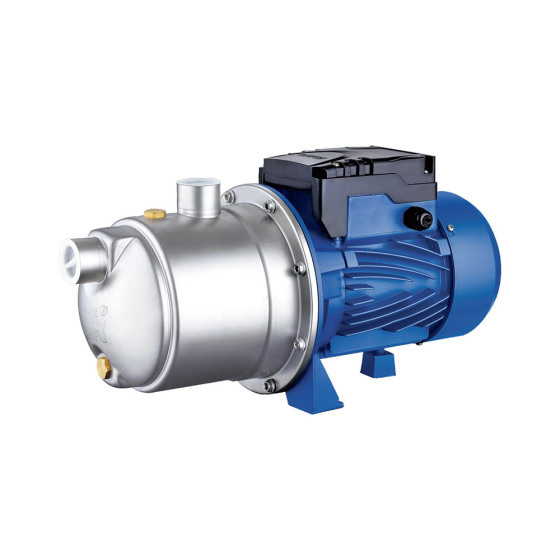
Flow: 0.5-26m³/h
Head: 7-52m
Power:0.37- 4.0kw
Characteristics:
horizontal multi-stage stainless steel centrifugal pumps are manufactured through advanced processes such as stamping and welding using stainless steel (SS304) plates. They have the characteritics of being lightweight, aestheticalh pleasing, material-saving, and highly efficient, Their performance reaches the advanced level of similar products.
Stainless steel self-priming corrosion-resistant miniature electric pump
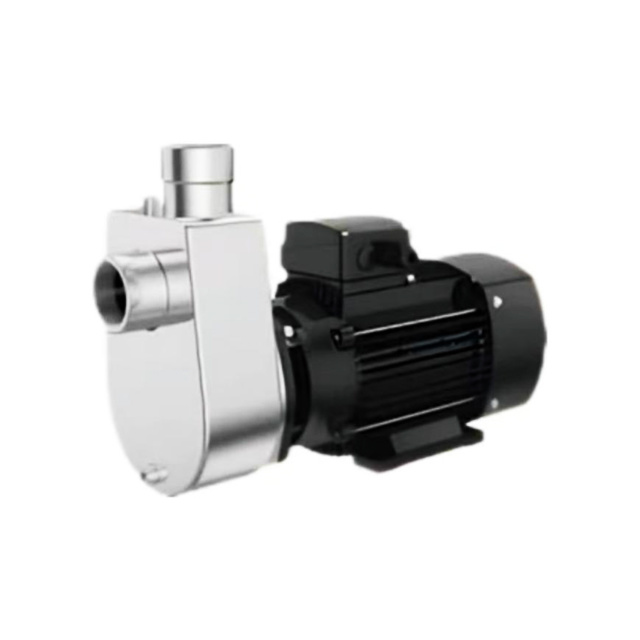
Flow: 3-15m³/h
Head: 8-22m
Power: 0.25-3kw
Characteristics:
1.Strong self-priming ability: There is no need to pour in priming water. It can automatically suck in the liquid after starting, which is convenient to use.
2.Good corrosion resistance: Made of stainless steel material, it can resist a variety of corrosive media and has a wide range of applications.
3.Compact size: With a compact structure, it takes up little space, making it easy to install and move.
4.Stable operation: With reliable performance, low noise and small vibration, it can work stably for a long time
5.Easy maintenance: With a simple structure and few components, it is easy to disassemble and repair.
Why Are Air Source Heat Pumps the Best Heating Solution for Modern Livestock Farming
Maintaining an optimal indoor temperature is essential for healthy animal growth and improving production efficiency in large-scale livestock farming. However, traditional heating methods—such as coal-fired boilers and electric heaters—often suffer from high energy consumption, heavy pollution, and unstable temperature output. These limitations make them unsuitable for the increasingly precise requirements of modern livestock environments.

1. Why Is Temperature Stability So Critical in Livestock Heating?
Animals are highly sensitive to temperature fluctuations.• Piglets require a stable temperature of 20–25°C.
• Brooding chickens need temperatures around 30°C.
Even small deviations can increase disease risk and slow growth rates.
H.Stars air source heat pumps are equipped with advanced intelligent temperature control systems that monitor indoor conditions in real time. The system automatically adjusts heating output according to different growth stages, maintaining temperature variations within ±1°C. This ensures a consistently comfortable and healthy environment for livestock.
2. How Do Air Source Heat Pumps Support Green and Sustainable Farming?
As environmental regulations grow stricter, traditional coal-fired boilers face increasing restrictions due to emissions of sulfur dioxide, particulate matter, and other pollutants. These emissions not only harm the environment but may also pose health risks to animals.Air source heat pumps operate without combustion, producing:
• No exhaust gases
• No smoke
• No ash or harmful by-products
They generate heat simply by transferring energy from the air—making them a truly clean and environmentally friendly heating solution. This helps livestock farms meet compliance standards, avoid penalties, and create a healthier indoor environment while supporting long-term sustainable farming development.

3. Why Are Air Source Heat Pumps More Suitable for Remote or Large-Scale Farms?
Many livestock facilities are located in open outdoor areas or remote regions where access to traditional energy sources is limited. Air source heat pumps provide excellent adaptability because they:• Require no coal, gas, or other fossil fuels
• Operate using only electricity and ambient air
• Fit perfectly in pig houses, poultry barns, aquaculture greenhouses, and more
Their compact design allows for flexible installation on rooftops, open land, or exterior areas—without needing a separate boiler room. This reduces construction costs and minimizes operational disruptions. Maintenance is also simple, lowering long-term operating expenses.
4. Can Air Source Heat Pumps Perform Well in Cold Northern Winters?
H.Stars has specially optimized the low-temperature heating performance of its air source heat pumps. Even in harsh winter conditions, the system delivers:• Stable heat output
• Minimal performance loss in extreme cold
• Reliable heating that meets northern livestock farms' winter needs
Thanks to their modular design, farms can scale heating capacity according to facility size—from small family-run farms to large commercial operations.
Conclusion: A Future-Proof Heating Choice for Livestock Farming
Air source heat pumps offer unmatched advantages in energy efficiency, precise temperature control, environmental protection, and installation flexibility. Supported by H.Stars Group’s deep industry knowledge and robust technical capabilities, air source heat pumps help livestock farms:• Reduce operating costs
• Maintain stable and healthy growth environments
• Achieve green and sustainable development
They are, without question, the most reliable and efficient heating solution for modern livestock farming.
How Can Ice Storage Chiller Systems Be Applied to a 1,000㎡ Cooling Project
As global energy efficiency demands rise, many buildings are seeking more sustainable and cost-effective cooling solutions. Among these, the ice storage chiller system stands out for its ability to “shift peak loads,” offering both economic and environmental advantages. But how can it be effectively applied to a 1,000㎡ cooling area?

How Ice Storage Chillers Work
The operating principle of an ice storage system relies on the latent heat of ice. During nighttime, when electricity prices are lower, the system freezes water to store cooling energy. During daytime, when power demand and electricity rates peak, the ice melts to release cooling, meeting the building’s temperature requirements. This strategy not only reduces operational costs but also eases the load on the power grid during peak hours.Step 1: Calculating Cooling Load Accurately
The foundation of an efficient design lies in accurate cooling load calculation. For a 1,000㎡ building, the cooling load varies depending on its function:• Office buildings: approximately 100–120W/㎡
• Commercial spaces: approximately 150–200W/㎡
Taking an office example, a 1,000㎡ space requires about 100–120kW of cooling capacity. Factors such as building orientation, insulation, internal heat sources, and occupancy levels must also be considered to ensure precise system sizing.
Step 2: Selecting the Right Ice Storage System
Once the cooling load is known, choose an ice storage chiller with slightly higher capacity than the required cooling load (e.g., 100–120kW). The type of ice storage tank is also crucial:• Ice coil tanks melt quickly and are ideal for short, high-demand periods.
• Ice ball tanks offer compact size and higher storage density.
The choice depends on the site’s available space and daily cooling patterns.
Step 3: Developing Smart Operating Strategies
Two main strategies are typically used:• Full storage mode – All cooling is generated at night and stored for daytime use. Ideal for areas with high daytime electricity costs.
• Partial storage mode – Both the chiller and ice storage system work together during the day, offering more flexibility. Operators can adjust according to real-time electricity prices and cooling loads.
Step 4: Ensuring Proper Installation and Maintenance
Reliable performance also depends on professional installation and maintenance. Piping must be tightly connected, and electrical systems safely wired. Regular inspections should check pressure, temperature, and possible leaks in the storage tanks, as well as cleaning filters to maintain system efficiency.Smart Cooling for Medium-Sized Buildings
For a 1,000㎡ building, a well-designed ice storage chiller system combines smart control, load management, and efficient operation. It not only delivers stable indoor comfort but also reduces long-term energy costs, achieving both economic and environmental benefits.
Agri Drones Are Making Crop Protection Easier for Diverse Tropical Crops
Tropical crops often present unique challenges when it comes to crop protection. Pineapples, mangoes, and other tropical crops each have their own challenges in pest and disease management. For example, pineapples are densely planted, which makes it hard for liquid pesticides to penetrate effectively. Traditional manual spraying is not only time-consuming but also inefficient, especially over large plantations.
This is where Topxgun's FP700 agricultural drone comes in. Designed for versatility and efficiency, FP700 can significantly improve both the speed and effectiveness of crop protection in tropical environments. Its adjustable atomization system allows spray droplet sizes between 30–500 microns, ensuring precise coverage suited to different crops.

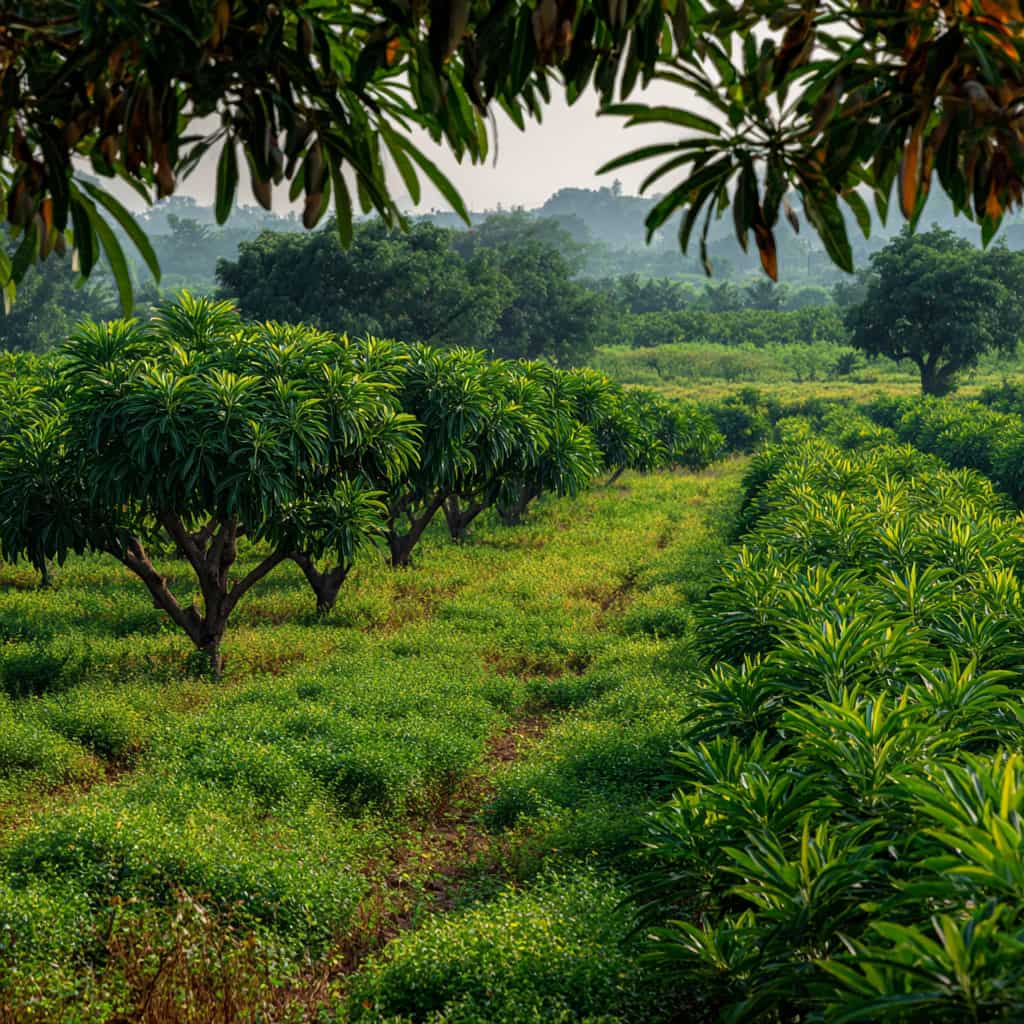

Moreover, the drone's high-flow spraying capability, combined with the strong airflow generated by its propellers, helps the pesticide penetrate dense foliage. This ensures better coverage even in crops with complex planting patterns, such as pineapple and mango trees.
Farmers using the FP700 have reported considerable savings in time and labor while achieving more uniform application of pesticides. The ability to adjust droplet size and flow also allows operators to optimize treatments for different types of crops and stages of growth, making it a truly flexible tool for tropical agriculture.
In short, Topxgun's FP700 agricultural drone is helping growers tackle the specific challenges of tropical crop protection, offering a practical, efficient, and precise solution that goes beyond traditional spraying methods.
Agricultural Drones in Chile Opportunities and Challenges in a Diverse Landscape
Chile's agriculture is as diverse as its geography. From the dry Atacama Desert in the north to the rainy southern valleys, farmers grow crops from grapes and avocados to wheat, apples, and cherries. This variety makes Chile one of South America's most dynamic agricultural producers, but also a country with very different farming conditions from one region to another.
In recent years, agricultural drones have become a useful tool for Chilean farmers looking to manage crops more efficiently and reduce production costs. The country's long and narrow shape means farms are often located in hilly or hard-to-reach areas, where traditional ground equipment struggles to operate.
Here, drones like Topxgun FP700 or FP300E can make a big difference. They can spray pesticides, spread fertilizer, or monitor crops with precision, even on uneven terrain or small plots. For vineyards and fruit farms, especially those in central Chile, drones provide a faster, safer, and more targeted way to protect crops while using fewer chemicals.
Key Advantages
1. Efficiency and Coverage
Drones can cover large areas in a short time, reducing labor costs and saving water and chemicals through precise application.
2. Adaptability to Terrain
Many Chilean farms are located in valleys or slopes. Agricultural drones are ideal for these environments, offering flexible flight routes and stable spraying performance.
3. Cost Savings
Compared to traditional spraying methods that require tractors, fuel, and multiple operators, drones significantly lower operating costs. They also help reduce waste by delivering chemicals only where needed.
4. Safety and Environmental Benefits
Using drones keeps farmers away from direct contact with pesticides, minimizing health risks. At the same time, precise spraying reduces chemical drift and environmental impact, important factors for sustainable farming.
As Chile continues investing in smart agriculture, the role of drones will only grow. With robust hardware and intelligent flight systems, TopXGun agricultural drones are designed to adapt to various crops, helping farmers achieve greater precision and sustainability.
Boosting Peanut Farming Efficiency with Agricultural Drones
Peanuts are an important cash crop in many regions, widely used for food, oil production, and livestock feed. However, peanut cultivation faces challenges such as pest outbreaks, fungal diseases, and the need for precise nutrient management. Traditional crop protection methods are often labor-intensive, time-consuming, and less effective in ensuring uniform coverage.

Agricultural drones are transforming the way peanut fields are managed. With their ability to fly at low altitudes and cover large areas quickly, drones make pesticide and fertilizer application more precise and efficient.
Using drones for spraying operations offers several advantages:
- Precision Application: Drones equipped with intelligent nozzles ensure fine droplet distribution, targeting peanut leaves and reducing chemical waste.
- Labor Efficiency: One drone can replace several workers, significantly cutting down labor needs and operational costs.
- Timely Operations: Weather and crop conditions often demand rapid responses. Drones allow farmers to carry out spraying at the optimal growth stage without delay.
- Reduced Crop Damage: Unlike ground machinery, drones fly above the crop canopy, preventing plant damage and soil compaction.
In a peanut field operation, the process starts with preparing the pesticide solution and loading it into the drone's spraying tank. Flight parameters—such as altitude, speed, and spray rate—are set based on the crop's growth stage and field conditions. With just one click, the drone autonomously follows the planned route, applying inputs evenly across the field.
For example, during the peak growth stage of peanuts, drones can operate at:
Flight altitude: 3–4 meters above canopy
Flight speed: 6–7 m/s
Application rate: around 45–60 liters per hectare
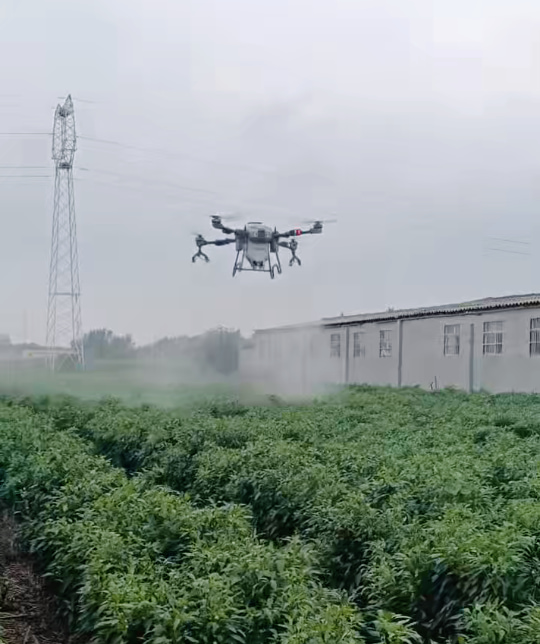
TopXGun offers agricultural drones tailored to different farm scales:
FP700 Agri Drone – Designed for large-scale farms, with a 60L spraying tank, powerful 4D radar, and advanced autonomous flight planning for maximum efficiency.
FP300E Agri Drone – A compact and easy-to-operate model, ideal for medium and small farms, offering precise spraying and spreading functions with excellent maneuverability.
Change the Way You Farm with a Crop Seeding Drone
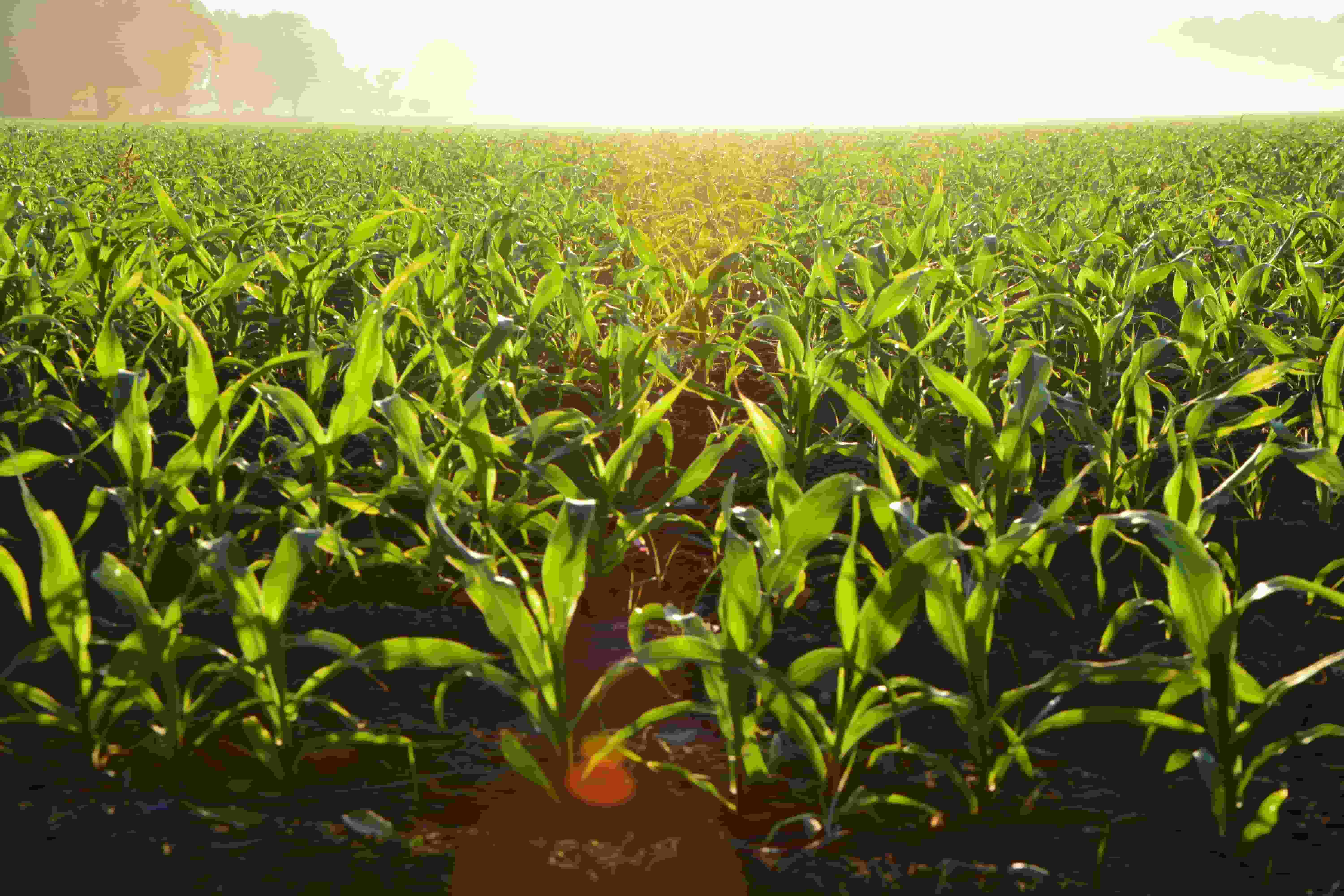
In the ever-evolving world of agriculture, innovation continues to shape the way we grow our crops. Among the most promising developments is aerial seeding—using drones to sow seeds directly into fields with speed, precision, and efficiency. At Topxgun, we're proud to be part of this transformation, helping farmers embrace smarter, faster, and more sustainable seeding methods with our advanced agricultural drones.
Aerial seeding is the process of distributing seeds over land using flying equipment, traditionally done with airplanes or helicopters. Now, with the rise of agricultural drones, this process has become more accessible, cost-effective, and suitable for farms of all sizes. Crop seeding drones offer pinpoint accuracy, lower operational costs, and the flexibility to work in complex terrains.
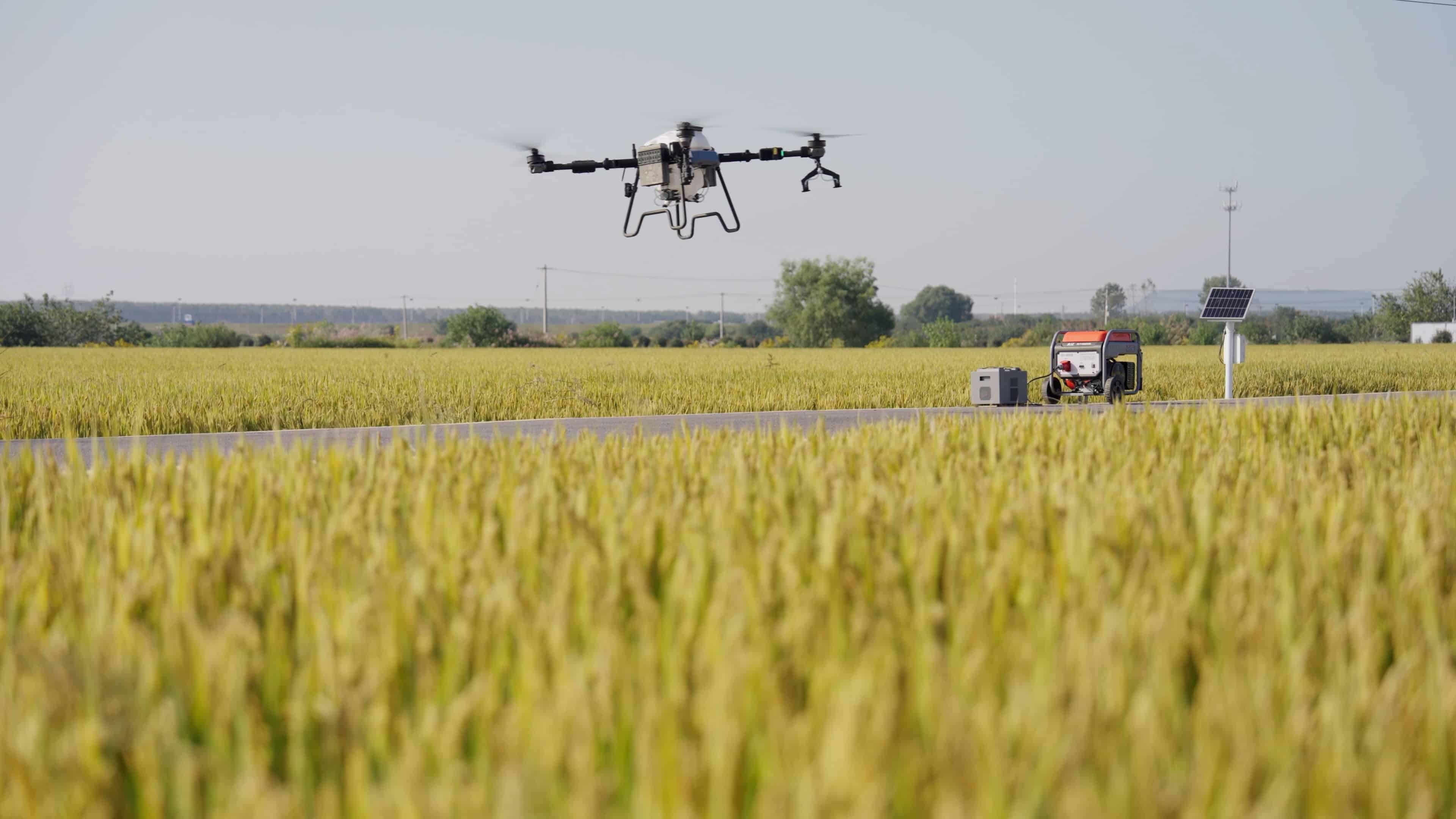
Topxgun agricultural drones are equipped with specialized spreading mode designed to release seeds uniformly across the field. Farmers can adjust spreading rates. Whether you're reseeding pasture, planting cover crops, or exploring no-till farming practices, the drone delivers consistent results—efficiently and with minimal impact on the soil.
Key Benefits
1. Time-Saving Efficiency
Compared to traditional machinery, seeding drones can cover large areas in less time, especially in irregular or hard-to-reach fields. No need for tractors or heavy equipment—just take off and seed.
2. Precision & Uniformity
Drones distribute seeds with consistent density and spacing, improving germination rates and reducing waste.
3. Terrain Versatility
From mountainsides to wetlands, drones can operate where tractors can't. This makes aerial seeding ideal for orchards, hillsides, and fragmented plots.
4. Lower Labor and Equipment Costs
Reduce the need for manual labor and large machinery. Drone seeding is a lightweight, scalable solution that suits both small farms and large operations.
5. Eco-Friendly Farming
Drones minimize soil compaction and fuel use, supporting sustainable agriculture practices. They're also perfect for planting cover crops, which improve soil health and reduce erosion.
Topxgun drones have already been used in rice paddies, grassland restoration, forest reseeding, and even aquatic farming areas. Farmers have reported faster planting cycles, improved crop emergence, and better flexibility in managing planting schedules.
As global agriculture faces the challenges of climate change, labor shortages, and rising input costs, aerial seeding stands out as a practical innovation. At Topxgun, we’re committed to developing powerful, user-friendly crop seeding drones that help farmers get more done—with less.
Ready to change the way you seed? Explore our agricultural drone lineup and contact us to learn more about our aerial seeding solutions.
Combating Locust Infestations with Agricultural Drones
Locust outbreaks have long been one of the most destructive threats to agriculture across the globe. These fast-moving swarms can devastate entire fields in a matter of hours, putting farmers’livelihoods and food security at serious risk.
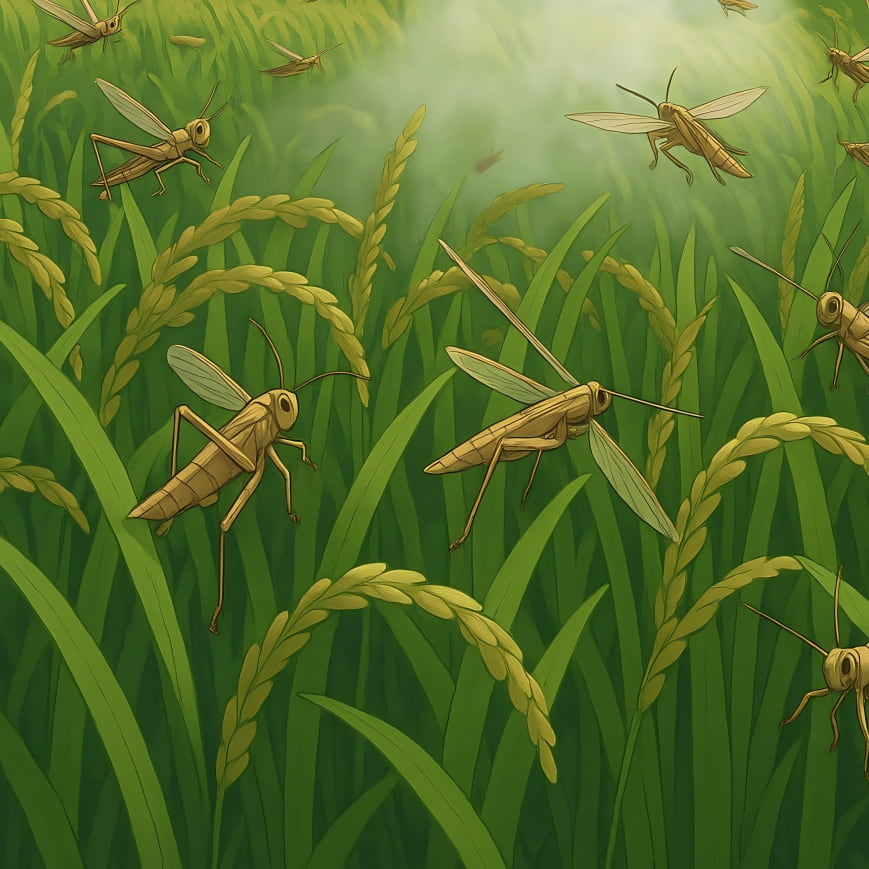
In the fight against these pests, agricultural drones are emerging as a highly effective, safe, and efficient solution. Unlike traditional ground spraying equipment or manned aircraft, drones offer flexibility, precision, and safety in pest control operations. Here's how:
1. Rapid Response
Drones require minimal preparation time and can be deployed almost instantly when a locust outbreak is detected. Within just minutes, they can begin spraying over a wide area, making them an ideal tool for fast and large-scale pest control.
2. Precision Spraying
With GPS-guided systems and real-time route planning, agricultural drones can target locust hotspots with minimal chemical waste, reducing environmental impact.
3. Operator Safety
Drones allow the operator to stay safely on the ground, far from the chemicals and swarming insects, significantly reducing exposure risks.
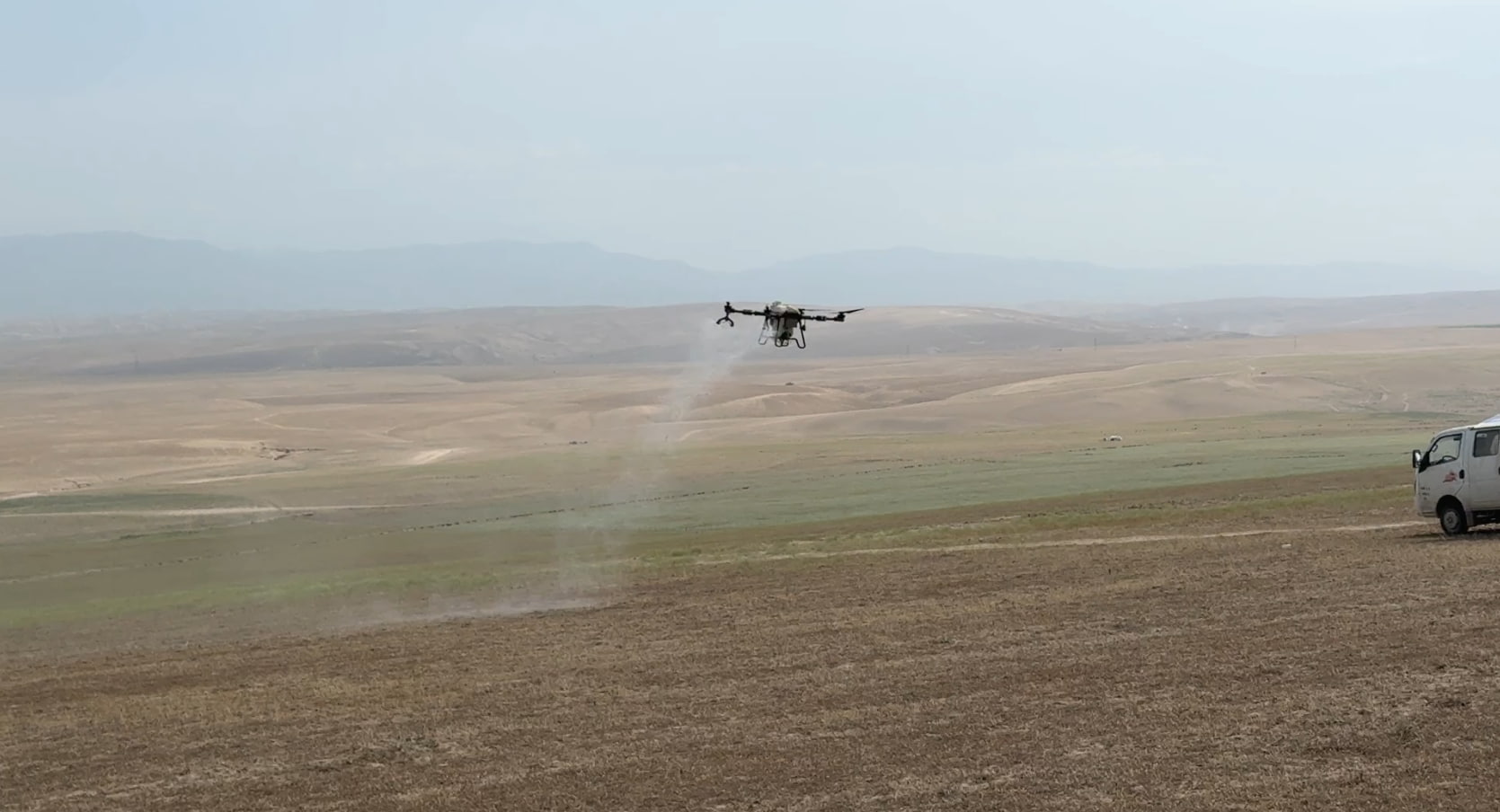
As climate change contributes to the spread and unpredictability of locust infestations, drone technology offers a sustainable path forward. With advancements in AI, sensor integration, and variable rate spraying, future drone fleets will not only respond faster—but also predict and prevent outbreaks more effectively.
Drone-based pest control is no longer a concept of the future — it's happening now. At TopXGun, we’re proud to contribute to smarter, safer farming through drone innovation.