Some advantages of using a roll to roll screen printing machine


Some advantages of using a roll to roll screen printing machine:


1. High production speed: Roll to roll screen printing machines can print large quantities of materials at a high speed, making them ideal for mass production.

2. Consistent quality: The machine ensures consistent quality of prints, as it uses a precise and automated process.

3. Versatility: Roll to roll screen printing machines can print on a wide range of materials, including paper, plastic, fabric, and metal.

4. Cost-effective: The machine is cost-effective for large-scale printing jobs, as it reduces labor costs and increases efficiency.

5. Customization: Roll to roll screen printing machines can be customized to meet specific printing requirements, such as color, size, and design.

6. Durability: The prints produced by the machine are durable and long-lasting, making them suitable for outdoor and indoor applications.

7. Environmentally friendly: Roll to roll screen printing machines use eco-friendly inks and materials, reducing the environmental impact of printing.

The trends of the multi-process screen printing solution

Hello Guys, Do you Know that
The very mobile or high end smart phones or ipods, tablets that you are holding in your hands have the imprints of screen printing;

The helmets you wear, the bike you ride have designer decals on both sides have the imprints of screen printing;

The car you drive has the speedometers and dashboards – screen printed. 
If you are a cricket fan, notice that almost every bat has multiple designer stickers screen printed, and t-shirts, helmets, PVC cheer sticks, balloons, or flags that the cricket fans are holding in the stadium – all screen printed. 
And do not forget, we are living in high technology electronic age. Every electronic product that you use has a PCB (printed circuit board) inside, screen printed of course

Screen printing has wider applications in commercial graphics (packaging included), industrial (almost every industrial segment needs the imprint of screen printing process), garment decoration and textile printing.
Of course, the screen printing including the manual type, semi-automatic type and fully automatic screen printing machine, the material in sheet form feeding and in roll form feeding two method, which we calls it roll to roll screen printing system

The first trends of screen printing solution is that screen, offset and digital printing will co-exist and combination.

There has been a growing trend of many offset printers and packaging printers embracing screen printing process for carrying out print finishing in house instead of depending on outsourcing.
the second trends of screen printing solution is multi-color screen printing machine, such as 2 color screen printing machine, 3 color screen printing press, 4 color screen printing system, etc.


For the your further more screen printing details, we can supply one-stop solution to you, if you need.


types of labels

Labels are widely used in various industries. Each industry has its corresponding label type.
Here we has summarized the following types of labels, which will help you understand the label names of various industries.

Label application classification introduction:

1. Packaging label
Logistics labels, transport goods labeling labels, outer box labels, warning labels, careful fragile labels, anti-tear labels.

2. Product label
Price labels, shelf labels, barcode labels, drug labels, supermarket price labels.

3. Office labels
Document and document labels, archives preservation labels, A4 self-adhesive labels, blank self-adhesive label paper, roll blank labels, stationery labels.

4. Alcohol labels
Red wine labels, wine labels, transparent wine labels, bronzing wine labels, rolled wine labels, high-grade elegant paper labels, bottled water labels.

5. Jewelry labels
Jewelry Labels, Jewelry Hang Tag Labels, Spacer Jewelry Labels, Jewelry Labels, Printable Jewelry Labels, Premium Jewelry Price Labels.

6. Anti-counterfeiting labels
VOID labels, open-label labels, anti-counterfeiting labels that change color when exposed to water, labels that turn red when exposed to water, laser labels, anti-theft labels, and tamper-evident labels.

7. Electrical labels
Water discoloration labels, power labels, mechanical and electrical product labels, fragile labels, mobile phone battery labels, wire labels, cable labels.

8. Daily chemical label
Shampoo labels, transparent PET labels, PE labels, PVC labels, body wash labels, automatic labeling labels for rolls, self-adhesive labels for bottles.

9. Production labels
Raw material labeling, product labeling, finished product labeling, inventory management labeling, ROHS labeling, anti-static labeling, special purchasing label, month labeling.


10. Safety labels
Safety sign labels, safety sign stickers, warning labels, safety warning labels, anti-static labels, safety operation warning labels, machine safety labels.

11. Food and Drugs
Food bottle stickers, food stickers, fermented bean curd labels, flavor sauce labels, fruit labels, orange labels, medicine bottle stickers, health care product labels.

12. Asset tags
Book labels, property labels, fixed asset labels, serial number labels, barcode labels, variable data label printing.

13. Material logistics labels
Self-adhesive material labels, production line material labels, material barcode labels, reel material labels, express logistics labels, electronic material labels, etc.,

14. Tag label
Variable data tags such as clothing tag labels, printable tag labels, serial number barcodes, etc.
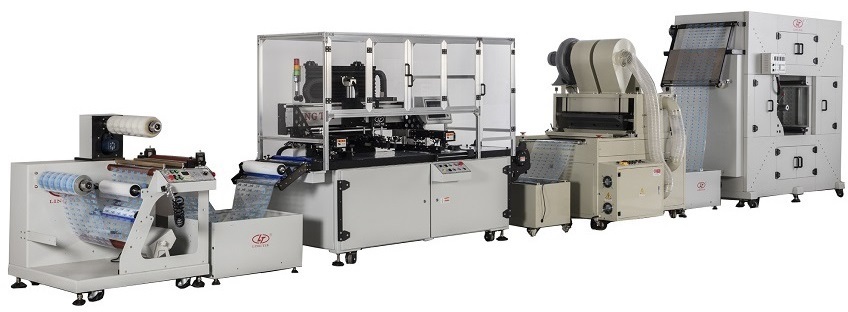
What factors will influence the roll to roll screen printing speed

What factors will  influence the roll to roll screen printing speed ?

The roll to roll screen printing speed can be influenced by several factors. Some of these factors include:


  • Printing length: The length of the print run can impact the speed of the printing process. The longer the print run, the longer it will take to complete the printing process.
  • Design complexity: The complexity of the design being printed can also have an impact on the printing speed. More intricate designs may require slower printing speeds to ensure accurate placement and registration.
  • Screen tension: The tension of the printing mesh can also have an impact on the speed of the printing process. Lower tension screens may require slower printing speeds to ensure even ink application.
  • Printing machine speed: The speed of the printing machine itself can also impact the speed of the printing process. Faster machines can complete the printing process more quickly than slower machines.
  • Material thickness and characteristics: The thickness, surface tension, and other characteristics of the material being printed on can impact the printing speed.
  • Screen mesh count and tension: Higher mesh counts and tension can lead to slower printing speeds.
  • Ink viscosity and flow rate: The viscosity and flow rate of the ink can affect the printing speed. High viscosity inks will print slower and require more pressure.
  • Squeegee pressure and angle: The pressure and angle of the squeegee can influence the printing speed and quality.
  • Printing machine type: Different printing machine types have different capabilities and may have limitations in printing speed.
  • Operator skill and technique: The skill and technique of the operator can impact the printing speed and quality.


What's the Big Deal with Heat Transfer Label?

Nowadays, Most of the underwear, hats, jeans,shirts,skirts and dresses manufacturers take up the heat transfer label on their garments. We called they are professional manufacturers.


So why are they so popular in garment industry? Not only does heat transfer label label create a stylish design that is less intrusive than a fabric equivalent, but there are also savings in both cost and time to be made.


Heat transfer labels made process takes place in two parts. In the first stage, the design and text is printed on the transfer film or paper by silkscreen printing, the classic and conventional printing method on heat transfer label.


In the second stage, Through the heat press machine transfer to garments.


Roll to Roll Silkscreen Printing


Silkscreen printing uses a screen plate to transfer printing ink onto a substrate, one colour at a time. The areas that do not require printing are blocked out by stencil. The ink is applied through a squeegee which moves across the screen frame to fill the open areas of the mesh with ink.


There are two types of silk screen printing methods, sheet-fed silk screen printing and roll to roll silkscreen printing .


The downside of the sheet-fed silkscreen heat transfer label printing is that it can only print one colour at a time , requiring drying before the next colour can be applied. The printing speed is slow and most of are the semi-automatic configuration.This makes it perfect for one or two colour designs and little quantity production.


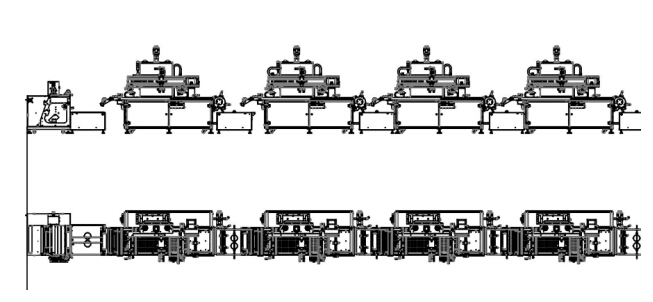
The advantage of the roll to roll silk screen printing is very suitable for multicolor images, mass production, and heat transfer label, electronic appliances, membrane switches, panel, soft circuit board, RFID label, IMD label, PCB label printing as well, called roll to roll silkscreen printing system, and it consist of a feeding unit, a screen printing unit and a hot air dryer. Click the website http://www.xmlingtie.com/automatic-roll-to-roll-screen-printing-machine_p31.html for more information.

Automatic Roll to Roll Screen Printing Machine

which industries have requirement of this machine

Roll to roll screen printing machines are used in various industries that require printing on continuous rolls of fabric, paper, plastic, or other materials. Some of the industries that use roll to roll screen printing machines include:

1. Textiles industry: For printing on continuous rolls of fabric used for clothes, bedding, curtains, and other applications.

2. Packaging industry: For printing on flexible packaging materials like plastic films, paper bags, and pouches.

3. Label industry: For printing on labels used in the packaging of products.

4. Advertising industry: For printing on banners, billboards, and other display materials.

5. Electronics industry: For printing on flexible circuit boards, flexible displays, and other electronic components.

6. Automotive industry: For printing on car upholstery and interior components.

7. Medical industry: For printing on medical devices, packaging materials, and other products.

8. Industrial materials industry: For printing on materials used in the manufacturing of various products.

These are just some of the industries that use roll to roll screen printing machines. There are many more applications for this type of printing technology.

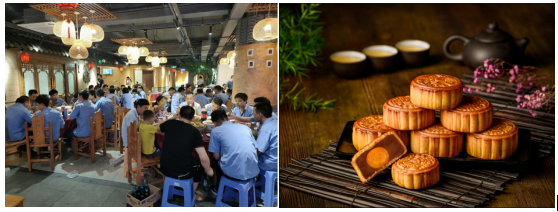
2020 China's National day & Mid-Autumn Day ---Lingtie Machinery

In 2020, the Mid-Autumn Festival will fall on October 1st (Thursday). It is the same day as China National Day. Domestic China trips are allowed in China (except for areas with medium or high risk).


Ling tie team join and celebrate forthcoming BIG day , wish the roll to roll screen printing machine business venture a success .


  • Dinner together
  • Share successful case and experience
  • Game "BO BING" activity


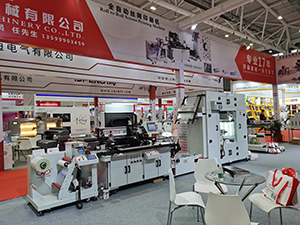
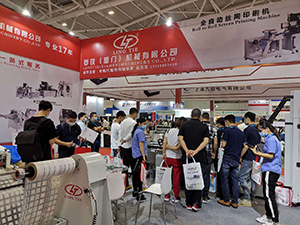
China (Shenzhen) Screen printing and digital printing technology fair 2020

The year 2020 is eventful for all LINGTIE, which has witnessed LINGTIE  continuous growth against global economy downtrend.

Lingtie (Xiamen)Machinery Co.,Ltd  join China (Shenzhen) Screen printing and digital printing technology fair which will last from Oct.28th -30th.2020.


This time we showed main products:

* "Automatic roll to roll screen printing machine ”unit with new design "deviation correction device in hot air  dryer". This device keep the printed material winding perfectly and trimly .

*  Roll to sheet cutting machine

* Roll to roll heat press machine


Congratulations on the successful printing of the sample

Congratulations on the successful printing of the sample reflective road sign on Lingtie automatic screen printing machine

Customer's reflective foil and ink goes smoothly on this roll to roll screen printing machine .

This kind of road signs should be brightly colored and durable. Screen printing would be the best choice for the printing .

Factors affecting the effect of heat transfer printing

1. Heat transfer printing head

The Heat transfer printing head is mainly composed of a surface film protective layer, a bottom film protective layer and a heating element. The heating element is a conductive silk screen. With the help of the heat generated by the voltage pulse, the coarse particles of the ink layer in the graphic part are raised and melted to complete the ink transfer by thermal diffusion.

The printing speed of heat transfer depends on the time required for each line of graphics. Therefore, the transfer head and the transfer paper should have good heat transfer properties, so that the heat generated by the heating element can quickly pass through the protective layer, the transfer paper substrate and the gap and finally transfer to the surface of the substrate to ensure that the ink has sufficient transfer time.

2. Ink

The composition of heat transfer ink is generally three parts: pigment (pigment or dye), wax and oil. Among them, wax is the main component of heat transfer ink.

During printing, the viscosity of different inks has a direct relationship with the heating temperature, and the heating temperature and the viscosity of the ink should be strictly controlled. Practice has proved that when the heating temperature is 60-100 ℃, when the ink is melted, the viscosity value of the ink is stable at about 0.6pa·s, which is the most ideal. Generally speaking, the closer the ink is to this state, the better the transfer performance.

3. Transfer medium

Chemical properties: Making the ink adhere well and evenly is two important performances of the chemical properties of the transfer paper substrate. The chemical properties of transfer paper in production directly affect the quality of printing.

Good thermal performance: Since the transfer process is achieved by means of high temperature, the material of the transfer paper must be able to withstand the influence of the transfer temperature and keep the properties unchanged.

4. Substrates

Experience has shown that substrates with a slightly rough surface produce better quality prints, which is a characteristic of heat transfer printing. Because the rough surface of the substrate indicates that the substrate has a large surface energy, the ink on the transfer paper can be transferred to the substrate well, and the ideal level and tone can be obtained, but too rough will affect the normal operation of the ink. Transfer is not conducive to the realization of the printing process.